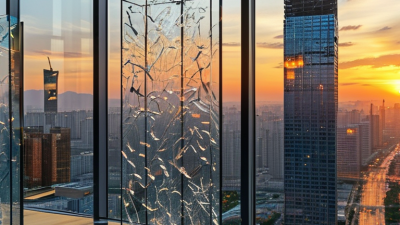
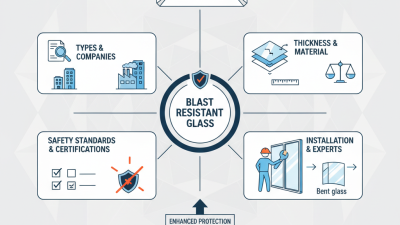
Nowadays, in the world of construction and design, the materials you pick can seriously make or break both how a space looks and how safe it is. One material that's been getting a lot of attention lately is tempered glass. If you haven’t heard of it before, it’s basically a super-strong type of glass that’s great for all kinds of uses. Not only does it stay transparent and look sleek, but it’s also pretty tough and durable. For architects and builders, it’s really important to get what makes tempered glass special—because it can totally change how a project turns out.
Using tempered glass opens up a lot of cool design possibilities. Its ability to handle temperature swings, especially in places where the weather changes quickly, is a huge plus. Plus, when used in the right way, these projects can look stunning while still keeping people safe. Of course, there are some things to watch out for—like the fact that big panels can be heavy, or that installing them needs some serious precision. While tempered glass can definitely give your design that wow factor, smart planning is a must so you don’t run into issues.
Basically, picking the right materials is a big deal—good choices can really make or break a project. Working with suppliers and contractors who know their stuff when it comes to tempered glass can make all the difference in getting reliable results. When everything's done right, the benefits of this durable material easily outweigh the challenges. All in all, if you get it right, adding tempered glass is totally worth it and can give your project that extra edge.
Advantages of Enhanced Strength and Durability of Tempered Glass
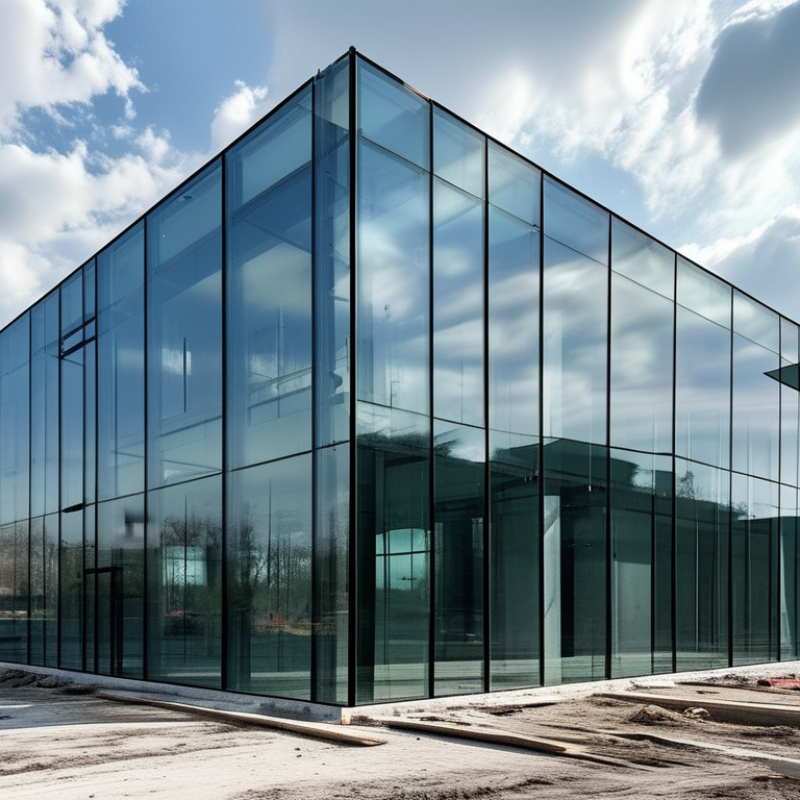
Tempered glass, known for its enhanced strength, offers significant advantages in various projects. This type of glass undergoes a special heating process, making it much stronger than regular glass. Its ability to withstand high temperatures and impact is remarkable. Many builders prefer tempered glass for shower doors, windows, and protective barriers. The durability reduces the risk of shattering, ensuring safety in homes and public spaces.
When working with tempered glass, especially Bent Glass, consider the precise requirements of your project. Measuring accurately is crucial. Any errors might lead to misfit installations and increased costs. Adopting a thorough planning phase can save resources and time. Choosing the right thickness and size also affects performance.
Tempered glass is also resistant to scratches and weather changes. This ensures a longer lifespan without frequent repairs. However, handling it carefully is important. While it’s sturdy, improper installation can lead to complications later. Regular inspections of installations can prevent minor issues from escalating.
Safety Features: How Tempered Glass Reduces Injury Risks
Tempered glass offers significant safety features that can greatly reduce injury risks in various applications. It is processed through controlled thermal treatments, making it much stronger than regular glass. According to the Glass Association, tempered glass can withstand up to five times more impact. This durability makes it an ideal choice for Glass Doors in high-traffic areas.
In the event of breakage, tempered glass shatters into small, blunt pieces rather than sharp shards. This property can notably minimize severe injuries during accidents. Research indicates that using tempered glass can decrease injury rates by up to 70% in commercial environments. Environments with glass doors are safer, as this type of glass prevents dangerous cuts and lacerations.
However, while tempered glass provides remarkable advantages, it is not entirely foolproof. It can still break under certain conditions, such as extreme temperature changes. Additionally, installer's expertise plays a crucial role in its performance. Even the best materials require careful handling and installation to maximize safety. Misalignment or improper fitting can lead to unforeseen hazards, reminding us that vigilance is essential.
Thermal Resistance: Benefits of High-Temperature Tolerance in Tempered Glass
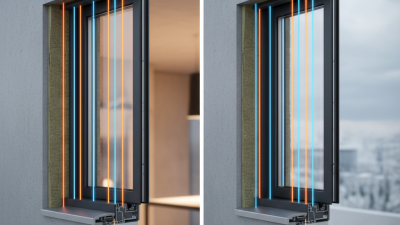
Tempered glass stands out due to its remarkable thermal resistance. It can withstand temperatures up to 300 degrees Celsius without shattering. This high-temperature tolerance makes it ideal for environments like kitchens and bathroom areas. According to industry reports, the thermal shock resistance of tempered glass is five times stronger than that of standard glass. This is crucial for minimizing risks during sudden temperature changes.
Moreover, tempered glass is known to maintain structural integrity under fire. Studies indicate that it can endure direct flames for a significant amount of time, significantly enhancing safety in commercial and residential setups. The National Fire Protection Association emphasizes that using tempered glass in building applications can reduce fire hazards. This adds to peace of mind for architects and builders alike. However, it’s essential to remain aware that not all tempered glass is manufactured equally; variations in production can lead to discrepancies in performance.
Choosing tempered glass involves consideration beyond just heat resistance. Its potential for thermal expansion can sometimes lead to stress fractures when improperly installed. Regular inspection can help mitigate risks associated with misalignment or inadequate support. Finding a reputable installer who understands the nuances of thermal dynamics in glass is crucial. Ensure that you weigh the benefits against the potential downsides in your next project.
Aesthetic Appeal: Design Flexibility and Visual Clarity of Tempered Glass
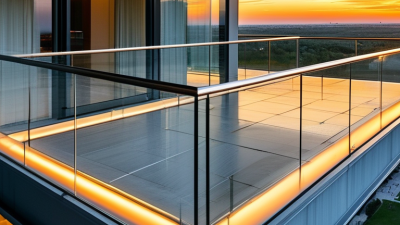
Tempered glass stands out for its aesthetic appeal and design flexibility. With its clear, sleek surface, it allows natural light to flood spaces, enhancing the overall atmosphere. Architects and designers appreciate its clean lines and modern look. It's easy to customize to fit various project needs. Whether for windows, partitions, or a stunning Glass Roof, it integrates seamlessly with diverse styles.
In incorporating tempered glass into your projects, it introduces beauty and transparency. It creates a sense of openness in even the smallest rooms. Consider its unique ability to blend with wood, metal, or stone. The contrast can be striking, enhancing visual interest. A glass roof can transform an ordinary space into an extraordinary one. However, designers must be mindful of thermal expansion. Improper installation can lead to cracks or leaks.
Many overlook the safety benefits of tempered glass. It’s four to five times stronger than regular glass. When shattered, it breaks into small, blunt pieces rather than sharp shards. This makes it an ideal choice for family-oriented spaces. Spend time planning the layout to maximize the visual benefits. A well-positioned glass roof can enhance views of the sky above, creating a peaceful retreat. Always consult with a professional for installation.
Cost-Effectiveness: Long-Term Savings and Energy Efficiency with Tempered Glass
Tempered glass is an excellent choice for modern construction and design. It offers significant cost-effectiveness and long-term savings. According to industry reports, buildings that implement high-performance tempered glass can save up to 30% on energy costs. This is especially true in regions with extreme temperatures. The enhanced insulation properties of tempered glass reduce heating and cooling demands, leading to lower utility bills.
Over time, the durability of tempered glass also contributes to savings. It is known to be five to six times stronger than standard glass. This resilience means fewer replacements and repairs, lowering overall maintenance costs. In fact, a study by the American Society of Glass Contractors suggests that using tempered glass can extend the lifespan of installations by up to 20 years.
For projects, consider these tips: always assess the climate when choosing glass. In hotter areas, go for low-emissivity (Low-E) coatings to reflect heat. If your project demands safety and aesthetics, tempered glass is a viable option. Regular inspections can help identify wear and tear early, ensuring that your investment remains secure.
Environmental Impact: The Sustainability of Using Tempered Glass in Projects
Tempered glass is a strong choice for various construction projects. It’s known for safety and durability. But beyond performance, its environmental impact is significant. Using tempered glass supports sustainable practices. It is a recyclable material, minimizing waste. Once a project is complete, the glass can be repurposed or recycled.
The manufacturing process of tempered glass consumes less energy than many alternatives. Additionally, its durability means it lasts longer, which reduces the need for replacements and conserves resources. Maintenance is also easy, leading to less use of harmful cleaning chemicals. Professionals appreciate these benefits when planning projects that prioritize sustainability.
However, there are challenges to consider. The recycling infrastructure for tempered glass isn't as widespread as needed. Not all construction sites have easy access to recycling programs. This can lead to potential waste if not managed properly. As we continue to advocate for sustainable solutions, using tempered glass becomes a more informed choice, balancing beauty and responsibility.
Top 10 Benefits of Using Tempered Glass for Your Projects
| Benefit |
Description |
Environmental Impact |
| Safety |
Tempered glass is designed to shatter into small, blunt pieces, reducing the risk of injury. |
Lower injury risk contributes to a safer environment, minimizing waste from accidents. |
| Durability |
Resists scratches, impacts, and thermal stress, resulting in a longer lifespan. |
Longer lifespan reduces the need for replacements, minimizing resource consumption. |
| Aesthetic Appeal |
Offers clarity and a sleek look for both interior and exterior projects. |
Enhanced aesthetics can increase property value and sustainability appeal. |
| Energy Efficiency |
Helps control indoor temperatures by reflecting heat, reducing energy costs. |
Reduced energy consumption decreases carbon footprint and promotes sustainability. |
| UV Protection |
Blocks harmful UV rays, protecting interiors from fading and degradation. |
Extends the life of furnishings, reducing waste and resource use. |
| Versatility |
Can be used in a variety of applications from windows to table tops. |
Promotes design innovation while minimizing material overuse. |
| Easy Maintenance |
Requires less frequent cleaning and maintenance than standard glass. |
Less maintenance means lower resource use and waste over time. |
| Fire Resistance |
Withstands high temperatures, preventing fire spread in buildings. |
Contributes to safer buildings, thereby reducing potential fire-related waste. |
| Cost-Effectiveness |
Long-term savings due to reduced replacements and repairs. |
Cost savings lead to more efficient use of financial resources in projects. |
Maintenance Benefits: Ease of Cleaning and Longevity in Various Applications
Tempered glass is known for its strength and resilience, but its maintenance benefits are often overlooked. Cleaning tempered glass is remarkably easy due to its smooth surface. Dust and fingerprints do not cling as stubbornly as they do on other materials. This means less time spent scrubbing and more time enjoying the aesthetic appeal. A quick wipe with a soft cloth and mild cleaner is often all that's needed to maintain its clarity.
Additionally, tempered glass has a long lifespan, making it a smart investment for various applications. It withstands extreme temperatures and impacts better than regular glass. Over time, this durability translates into reduced replacement costs. However, it’s important to note that while tempered glass is tough, it is not indestructible. Proper handling is crucial. Even small defects can lead to cracks or shattering if not managed carefully. Regular assessments of your tempered glass installations can prevent unexpected issues.
The Ultimate Guide to Choosing High-Quality Laminated Glass from Trusted Chinese Suppliers
When selecting high-quality laminated glass from trusted suppliers, it is critical to understand the advancements in safety technology and manufacturing processes. Laminated glass is recognized for its ability to enhance safety through its unique construction, which involves bonding multiple glass layers with advanced interlayers. The most commonly used interlayer materials, such as polyvinyl butyral (PVB) and SentryGlas®, serve a dual purpose: they not only provide structural integrity but also maintain the glass fragments in place during breakage, significantly reducing the risk of injury from flying shards.
Industry reports indicate that the global laminated glass market is on an upward trajectory, projected to grow at a CAGR of over 8% through the next five years. This growth is driven by an increase in demand for safety and security glass in both residential and commercial constructions, as well as a heightened awareness of safety standards. Factors such as energy efficiency, sound insulation, and aesthetic appeal further enhance the application of laminated glass in a variety of projects, making it an attractive option for architects and builders alike.
In addition to safety features, modern laminated glass products also focus on aesthetic versatility. By offering customization in thickness, color, and clarity, suppliers can meet the diverse needs of their clients, catering to both functional and decorative requirements. Choosing laminated glass from established manufacturers ensures not only compliance with rigorous safety standards but also access to innovative designs that elevate building projects while keeping safety at the forefront.
FAQS
: Tempered glass is a type of glass strengthened through a special heating process.
Builders prefer it for its enhanced strength, which reduces the risk of shattering in various applications.
It withstands high temperatures and impact better than regular glass, making it safer and more durable.
Yes, cleaning it is easy due to its smooth surface. Dust and fingerprints don’t cling tightly.
Accurate measurements and careful planning are crucial to avoid misfit installations and extra costs.
No, it is resistant to scratches, but handling must be careful to prevent damage.
Yes, it lasts long and reduces replacement costs over time, making it a smart investment.
No, while it’s strong, it can crack or shatter if not handled properly or if defects are present.
Regular inspections are important to catch minor issues before they escalate into major problems.
A quick wipe with a soft cloth and mild cleaner is often all that's needed to maintain clarity.
Conclusion
Tempered glass offers a multitude of benefits that make it an ideal choice for various projects. Its enhanced strength and durability ensure it can withstand significant stress, reducing the likelihood of breakage. Safety is another critical feature, as tempered glass shatters into small pieces instead of sharp shards, significantly lowering injury risks. The material also boasts high thermal resistance, allowing it to endure extreme temperatures without compromising integrity.
In addition to its functional advantages, tempered glass provides aesthetic appeal with its design flexibility and visual clarity, making it suitable for modern architectural applications. From a financial perspective, its cost-effectiveness contributes to long-term savings and improved energy efficiency. Furthermore, the environmental impact is favorable, as using tempered glass aligns with sustainable building practices. Lastly, maintaining tempered glass is a breeze, as its smooth surface is easy to clean, ensuring longevity across various applications.