Leave Your Message
0%

Picking the best vacuum glass manufacturer, supplier, or factory in China isn't just about scanning online prices—there’s a bit more to consider. Things like consistent product quality, vacuum stability, edge sealing, and whether they have proper testing documented really matter. Did you know the U.S. Department of Energy says windows can account for somewhere between 25% and 30% of a home's heating and cooling energy use? So, it's not just about aesthetics; the performance of your glazing actually has some serious practical implications.

When you're digging into market info, don’t just take it at face value. The International Energy Agency’s Buildings report points out that buildings use about 30% of the world’s final energy, and the 2023 Global Status Report for Buildings and Construction emphasizes we really need to improve building envelopes in general. Vacuum glass can definitely help here—cutting down heat transfer, boosting interior comfort, and enabling sleeker, high-performance window designs. But—here’s the thing—the actual performance depends on things like spacer quality, how well the installation is done, the glass setup, and even the climate you’re in. Just reading a brochure from a factory doesn't cut it; you’ll want solid independent proof.

A trustworthy Chinese supplier should give you access to factory audits, traceability of batches, thermal test results, and clear warranty details. Don’t forget, it’s smart to ask for reports that follow standards like ISO 19916:2017 or other national testing protocols. When comparing options, look at things like the U-value at the center of the glass, how much light passes through, acoustic performance, production capacity, and how responsive their after-sales support is. Sure, companies like LandGlass, Qingdao Hengda Glass Technology, and Shenzhen Sun Global Glass come up often in searches, but just because they’re listed doesn’t automatically mean they’re the right fit for you. Consider this a starting point, not the final word, because supplier info can change pretty fast. So, always do your homework before placing that order.

China Best Vacuum Glass Manufacturers Suppliers or Factory?

What Is Vacuum Glass and How Does It Work?

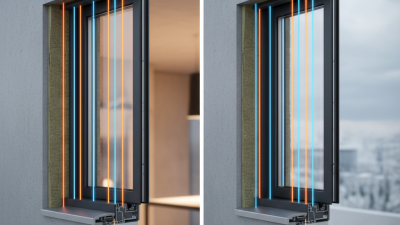
Vacuum glass is a sealed glazing unit with nearly all air removed from the cavity between two panes. Tiny support pillars keep the panes from touching under atmospheric pressure. A durable edge seal preserves the vacuum. Low-emissivity coatings can further reduce radiant heat transfer.

Heat normally moves through glass by conduction, convection, and radiation. Removing the gas sharply limits conduction and convection. The coating reflects long-wave heat back toward the room. According to ISO 19916 testing principles, vacuum glazing performance depends on cavity pressure, pillar spacing, seal durability, and glass configuration. Typical center-of-glazing U-values may reach about 0.3–0.7 W/m²K, although results vary with design and testing conditions.

The energy case is practical. The International Energy Agency reports that building operations consume about 30% of global final energy. The U.S. Department of Energy also estimates that windows can cause 25–30% of residential heating and cooling energy use. Vacuum glass can reduce interior surface heat loss, cold-edge discomfort, and outdoor noise. It also suits thinner replacement windows.

However, performance claims need careful review. A weak seal can slowly reduce insulation. Pillars may remain visible at close range. Installation errors can create thermal bridges around the frame. Factory inspection should include vacuum retention, optical quality, seal inspection, and whole-window U-value testing. The technology is impressive, but it is not magic.

Key Features and Benefits of Vacuum Glass

Vacuum glass contains two sealed panes with most air removed from the cavity. This structure reduces heat transfer through conduction and convection. In practical use, rooms feel warmer in winter and cooler during summer afternoons. It also supports quieter interiors by weakening outside traffic and construction noise. The effect is noticeable beside busy roads.

Good vacuum glass should provide stable thermal performance over many years. Look for low-emissivity coatings, durable edge seals, and precise spacer control. These details matter more than impressive claims. During factory inspections, check seal uniformity, corner finishing, surface cleanliness, and glass thickness. Tiny defects can become costly after installation.

Safety and durability also depend on correct sizing and professional installation. Oversized panels may suffer from stress, while poor frames can reduce the glass’s insulation value. Buyers using the search term Vacuum Igu should still request test reports, warranty conditions, and production samples. A reliable supplier explains limitations clearly. It should not promise perfect insulation in every climate. Vacuum glass is not flawless. Seal aging, transportation damage, or unsuitable hardware can affect performance. My practical view is simple: compare measured data with the building’s real needs, then inspect quality before placing a large order.

How to Evaluate Vacuum Glass Manufacturers and Suppliers

Choosing the best vacuum glass manufacturer, supplier, or factory requires more than comparing prices. Start by checking production experience, technical staff, and factory capacity. A reliable company should explain its glass structure, sealing method, vacuum level, and insulation performance clearly. Ask for recent test reports, sample measurements, and product tolerances. Vague answers are warning signs.

Visit the factory online or in person when possible. Observe the cutting area, edge treatment, cleaning process, and inspection stations. Ask how workers monitor the Vacuum Pump during production. Stable vacuum control affects heat loss, noise reduction, and service life. Also review packaging details. A strong supplier should protect glass corners and provide traceable batch records. I have found that small process details often reveal more than polished brochures.

Tips: Request a sample before placing a large order. Compare its weight, surface quality, spacer alignment, and thermal data. Confirm lead times in writing. Check how rejected units are handled. Ask whether replacement support is available after delivery. Do not trust impressive claims without measurable evidence. A factory may have modern equipment but weak quality control. That possibility deserves attention.

China Best Vacuum Glass Manufacturers Suppliers or Factory? - How to Evaluate Vacuum Glass Manufacturers and Suppliers

No. Evaluation Dimension What to Check Practical Benchmark or Fact Recommended Evidence Suggested Weight
1 Product Definition Confirm whether the supplier manufactures true vacuum insulating glass rather than conventional double glazing with air or inert gas. Vacuum insulating glass uses a sealed evacuated cavity, commonly supported by microscopic pillars to resist atmospheric pressure. Technical datasheet, cross-section drawing, production photographs, and independent test reports. 10%
2 Thermal Performance Review the center-of-glass thermal transmittance and verify the test conditions used for the reported value. High-performance vacuum glazing is generally selected for very low center-of-glass U-values; the exact result depends on glass thickness, coatings, cavity design, spacer, and test method. Laboratory report showing U-value, specimen configuration, temperature conditions, and applicable standard. 15%
3 Solar and Light Performance Compare visible light transmittance, solar factor, and low-emissivity coating options for the intended climate and building orientation. A lower U-value does not automatically provide the best daylight or solar-control performance; the complete optical specification must be reviewed. Spectral data, optical calculation, coating description, and project-specific energy simulation. 8%
4 Vacuum Stability Assess sealing technology, getter design, edge protection, and the method used to monitor cavity pressure during production. Long-term performance depends on maintaining the vacuum and limiting gas permeation through the seal and edge system. Aging test results, seal construction details, cavity-pressure records, and warranty conditions. 15%
5 Glass Configuration Check available glass types, thickness combinations, low-emissivity coatings, laminated options, tempered options, and safety configurations. The final product must comply with the required safety, impact, wind-load, acoustic, and thermal specifications of the project. Approved product drawings, glass processing certificates, samples, and structural calculations. 10%
6 Acoustic Performance Request sound-reduction data for the exact glass composition instead of relying on a general product claim. Acoustic performance varies with pane thickness, lamination, cavity design, frame system, and installation quality. Certified sound-transmission test report and installation recommendations. 7%
7 Manufacturing Capability Verify whether the supplier controls cutting, coating handling, evacuation, sealing, inspection, and packing in-house or through subcontractors. A dedicated production process and documented quality-control checkpoints reduce variation between batches. Factory audit, process flow chart, equipment list, production capacity statement, and quality-control records. 12%
8 Standards and Testing Check whether the product and factory quality system can meet the standards required in the destination market. Relevant requirements may include national building codes, safety-glazing rules, thermal testing, durability testing, and quality-management procedures. Current certificates, accredited laboratory reports, inspection plans, and traceability documents. 10%
9 Customization and Tolerances Evaluate maximum and minimum sizes, shape limitations, hole and notch processing, dimensional tolerances, and compatibility with the frame system. Vacuum glass is a precision product; dimensional accuracy and edge quality are important for glazing, sealing, and transport. Tolerance schedule, shop drawings, sample approval procedure, and inspection records. 6%
10 Packaging and Logistics Review export packaging, crate design, moisture protection, loading method, shipping documents, and damage-claim procedures. Glass should be secured against movement, edge impact, moisture, and repeated handling during international transport. Packing specifications, loading photographs, shipment insurance details, and delivery inspection procedure. 5%
11 Commercial Terms Compare quotation validity, minimum order quantity, tooling or sample charges, payment terms, lead time, and replacement policy. The lowest unit price may not represent the lowest total cost when testing, packaging, freight, installation, and warranty risks are included. Detailed quotation, pro forma invoice, production schedule, warranty document, and total-cost comparison. 7%
— Total Evaluation Weight Use a weighted score after verifying documents, samples, factory capability, and project-specific requirements. A supplier should be selected on verified performance, quality consistency, technical support, and total delivered cost rather than price alone. Completed supplier audit and approved sample evaluation. 100%

Leading Vacuum Glass Production Regions in China

China Best Vacuum Glass Manufacturers Suppliers or Factory?

China’s vacuum glass industry is concentrated around strong flat-glass and construction supply chains. Jiangsu and Zhejiang support precision processing, coating, and export logistics. Shandong offers large-scale glass production and established industrial parks. Guangdong serves dense construction markets, especially in the south. These regions differ in more than factory size. Energy prices, skilled technicians, port access, and nearby hardware suppliers can change the final quotation.

Grand View Research identifies Asia-Pacific as a leading region in the vacuum insulated glass market. Its industry analysis also links demand to stricter building-efficiency requirements and renovation activity. The International Energy Agency reports that buildings consume about 30% of global final energy. This makes low-conductivity glazing commercially important. A capable Chinese supplier should provide measurable vacuum pressure, edge-seal specifications, thermal transmittance, and production inspection records. Numbers matter.

Factory visits reveal practical details. Look for clean assembly rooms, calibrated gas analyzers, and corner samples stored under normal warehouse conditions. Ask for long-term durability testing, not only a laboratory U-value. Some suppliers present excellent center-glass performance but provide limited evidence for edge durability. That gap deserves attention. Buyers should compare regional suppliers using identical glass thickness, coating type, size, and testing standards. Otherwise, the lowest price may simply reflect different specifications. Even experienced purchasers can overlook this.

Vacuum Glass Manufacturing Standards and Quality Control

Vacuum Glass Manufacturing Standards and Quality Control

Reliable vacuum glass production begins with controlled materials and repeatable processes. Manufacturers should inspect glass sheets for scratches, edge chips, thickness variation, and optical distortion before assembly. Clean-room handling is essential because one tiny particle can weaken the vacuum space. Small defects matter.

During production, technicians should monitor spacer placement, seal temperature, heating time, and furnace atmosphere. Every batch needs documented measurements, operator records, and equipment calibration results. A Vacuum Leak test is especially important after sealing. Helium detection, pressure monitoring, or other validated methods can reveal leaks that remain invisible during visual inspection. Records must agree.

Quality control should also include thermal performance checks, sound insulation tests, and resistance to transport vibration. Samples can be inspected after repeated temperature changes, since seal stress may appear later. Experienced engineers compare test results with design limits and investigate unusual trends instead of accepting averages blindly. A polished report can still hide weak sampling.

Manufacturers supplying overseas projects should maintain traceable batch codes and clear inspection procedures. These records help buyers verify glass thickness, cavity dimensions, seal integrity, and test dates. Relevant national or international standards should guide the process, but practical factory discipline matters just as much. No process is perfect. Even mature production lines need corrective action, staff training, and periodic review when field feedback exposes an overlooked failure.

How to Select the Right Chinese Vacuum Glass Factory

Selecting the right Chinese vacuum glass factory requires more than comparing prices. A polished website is not proof of production ability. Request the factory address, equipment list, and recent project evidence. During a video or on-site audit, inspect the Vacuum Chamber, glass cutting line, edge-sealing area, and final inspection station. Dust, uneven sealant, or crowded storage can reveal future quality risks.

Ask for samples made with your actual glass size and thickness. Check visible distortion, edge alignment, surface scratches, and seal consistency under strong side lighting. A reliable factory should explain its vacuum level, heat-transfer performance, sound insulation, and expected service life in clear technical terms. Request test reports with dates, sample details, and laboratory information. Generic certificates are weak evidence. Production capacity also matters; a factory may offer an attractive sample but struggle with stable mass delivery.

Tips: Start with a small trial order. Confirm tolerances, packaging, inspection points, replacement terms, and delivery schedules in writing. Speak with the technical manager, not only a sales representative. Ask how rejected panels are recorded and corrected. This answer may expose weaknesses. That is useful. Do not choose the cheapest quotation automatically; inconsistent sealing can create higher installation and maintenance costs. Recheck every claim before signing.

China Best Vacuum Glass Manufacturers, Suppliers or Factory? How to Select the Right Chinese Vacuum Glass Factory

The chart compares representative center-of-glazing U-values for common insulating glass configurations. Lower U-values indicate better thermal insulation. When evaluating a Chinese vacuum glass factory, request independently tested results, confirm the test method such as EN 673 or ISO 10292, and verify that production samples match the quoted specification.

China Slump & Textured Glass Solutions: Market Insights from the Grand View Research Glass Industry Report

China’s glass market is navigating a period of slower property development, yet demand for differentiated architectural materials remains resilient. Recent industry research estimates that the global architectural glass market will expand at approximately 7% annually through 2030, supported by energy-efficient construction, renovation, and premium interior design. In China, this shift is encouraging architects and developers to look beyond standard flat panels toward materials that combine visual impact with practical performance.

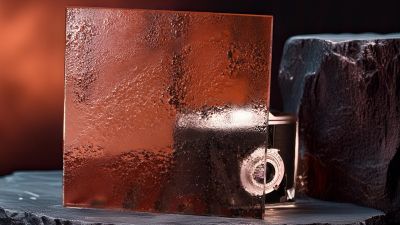
Slump glass and textured glass offer a compelling response. Through controlled heating, flat glass can be softened over custom molds to create flowing contours, dimensional relief, and distinctive surface patterns. These techniques allow panels to introduce privacy, light diffusion, and tactile depth without sacrificing the clean appearance expected in contemporary architecture. Textured surfaces can be specified for partitions, façades, doors, hospitality interiors, retail displays, and feature walls.

As market research highlights continued investment in low-carbon buildings and design-led renovation, customized glass solutions are becoming increasingly relevant. Advanced manufacturing can support repeatable dimensions, consistent texture, and tailored finishes, helping projects balance artistic expression with installation requirements. For China-based architectural supply chains, this combination of flexible fabrication and refined aesthetics creates new opportunities in residential upgrades, commercial interiors, and high-end public spaces.

FAQS

: What is vacuum glass?

: Vacuum glass has two sealed panes with nearly all air removed between them. Tiny pillars prevent contact. The cavity stays quiet.

How does vacuum glass reduce heat transfer?

Removing air sharply limits conduction and convection. A low-emissivity coating can reflect long-wave heat indoors. Radiation still exists.

What thermal performance can vacuum glass provide?

Typical center-glazing U-values range from about 0.3 to 0.7 W/m²K. Results depend on design, testing, and cavity pressure.

Can vacuum glass reduce household energy use?

It can reduce window heat loss and cooling demand. Windows may represent 25–30% of residential heating and cooling energy use.

Does vacuum glass reduce outdoor noise?

It can reduce outdoor noise compared with ordinary glazing. Actual results depend on glass thickness, spacing, frames, and installation quality.

Which Chinese regions produce vacuum glass?

Jiangsu and Zhejiang support precision processing and export logistics. Shandong offers large industrial capacity. Guangdong serves dense southern construction markets.

How can buyers inspect a Chinese vacuum glass factory?

Check the vacuum chamber, cutting line, edge-sealing area, and final inspection station. Look for clean rooms and calibrated testing equipment.

What documents should a reliable factory provide?

Request vacuum-pressure data, seal specifications, thermal results, and dated laboratory reports. Generic certificates provide limited proof.

What defects should buyers check in samples?

Inspect distortion, scratches, edge alignment, and seal consistency under strong side lighting. Pillars may remain visible at close range.

Should buyers choose the lowest quotation?

Not automatically. Different glass sizes, coatings, and testing methods can distort price comparisons. A small trial order is safer. Mistakes happen.

Conclusion

Vacuum Glass is an advanced glazing solution made by sealing two panes of glass around a highly evacuated space. This structure greatly reduces heat transfer by limiting conduction and convection, while specialized edge seals and optional low-emissivity coatings help improve insulation. As a result, Vacuum Glass can support better energy efficiency, indoor comfort, sound reduction, and slimmer window designs compared with many traditional insulated glazing products.

When evaluating Chinese manufacturers and suppliers, buyers should examine production capabilities, technical experience, glass composition, sealing methods, customization options, and after-sales support. Major production regions in China offer different advantages in manufacturing capacity and logistics, so quality should remain the primary consideration. Reliable factories should follow recognized manufacturing standards, maintain strict inspection procedures, and provide testing data for thermal performance, durability, optical quality, and airtightness. Selecting the right factory requires comparing samples, certifications, communication efficiency, delivery reliability, and the supplier’s ability to meet project-specific requirements.

Charlotte

Charlotte

Charlotte is a seasoned marketing professional with a profound understanding of glass processing and product development in the construction industry. With years of experience at the forefront of technological innovation, Charlotte excels in articulating complex concepts in a relatable manner. She......
Previous Why Choose Architectural Glazing for Modern Buildings?