

Choosing a Thermal Break manufacturer isn't just about comparing prices or looking at shiny product photos. When it comes to windows, doors, and facades, those tiny details can really make a difference in the final result. Things like strip dimensions, how well the profiles fit together, surface finishes, and whether the production batches are consistent all matter. A sample might look perfect sitting on your desk, but you still need to double-check it against your project’s drawings and technical specs—details count, after all.
To help you get started, this guide introduces ten manufacturers based in China. It’s a straightforward way to get a sense of what each company offers, their claimed production capabilities, and the technical info you can review. Of course, it's smart to reach out directly to these manufacturers to verify specs, quality paperwork, testing results, and their export experience. While websites can tell you a lot, they’re no substitute for actually seeing samples or getting clear, written answers.
Sure, having a ranked list makes navigating a crowded market easier, but it doesn’t mean that one of these companies will be perfect for your specific project. Every project is different—climate considerations, building design, processing methods, and timelines all play a role. Some manufacturers might be more suitable for large-volume orders, while others could be ideal if you’re after custom profiles or specific features. Honestly, there’s no one-size-fits-all list here. Think of this as a shortlist of candidates to evaluate—do your homework, double-check current details, and don’t just assume anything at face value before making your decision.
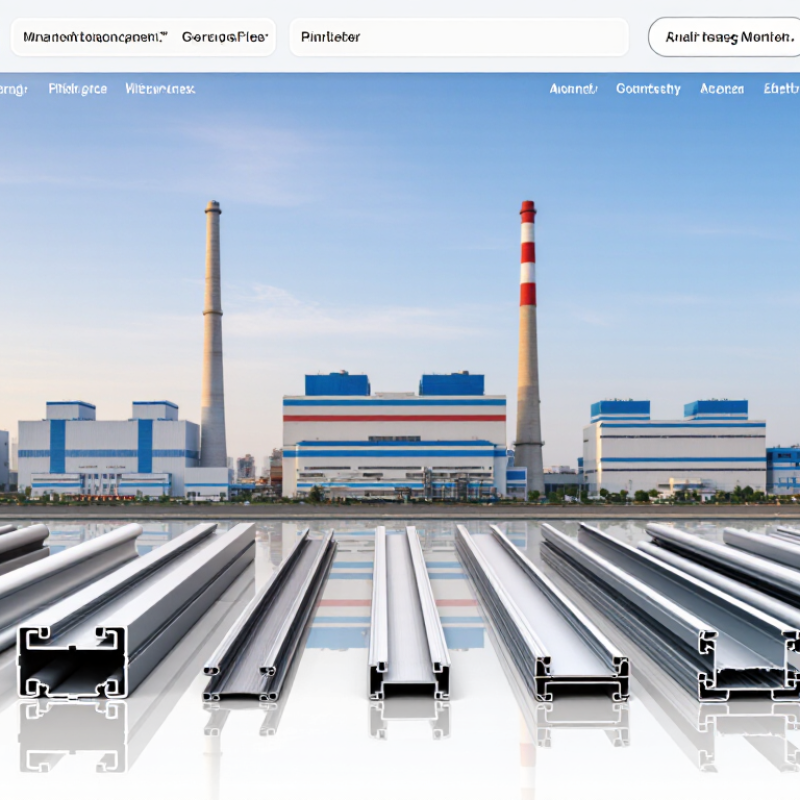
Thermal breaks are insulating barriers placed between connected parts of a metal frame. They interrupt the direct path that lets heat travel through conductive materials. In a window, that can mean a warmer inside frame on a cold morning and less heat transfer during summer. Small strip. Big consequence. But it is not a magic fix: glazing, seals, frame geometry, and installation all affect the finished system.
The International Energy Agency’s Tracking Buildings 2023 report estimates that buildings account for about 30% of global final energy consumption and 26% of energy-related emissions. Windows matter at the room scale, too. The U.S. Department of Energy’s Energy Saver guidance says heat gain and loss through windows account for roughly 25%–30% of residential heating and cooling energy use. These figures describe broad building and window impacts, not savings guaranteed by any single thermal-break design.
A practical inspection looks beyond the strip itself. Check its continuity at corners, around fasteners, and where the frame meets the wall. Poor joints can create cold spots, condensation, or uncomfortable drafts even when the profile performs well on paper. I used to think the material alone told most of the story. It doesn’t. Project conditions can change the result, and published figures should be treated as context—not a promise of performance.
China’s thermal break sector is not a single factory category. It works as a connected supply chain, with aluminum extruders, insulating-strip producers, profile fabricators, and system integrators serving different stages. A buyer comparing the “top 10” should ask what each manufacturer actually makes. The label can hide very different capabilities. Small details matter.
At one end, producers make polyamide strips, often supplied in coils or cut lengths. Extruders join those strips with aluminum profiles using rolling equipment, then fabricators add drainage slots, corner keys, and hardware. These steps affect fit and consistency.
A Thermal Bridge is reduced only when the frame design and installation details work together; the strip alone cannot guarantee performance.
Some manufacturers focus on custom profiles, while others favor standardized systems for larger projects. Quality checks may include dimensional inspection, material records, and tests on finished window assemblies. Still, factory capacity is not the same as dependable delivery. Lead times, sample consistency, and technical support deserve scrutiny.
I would not treat any ranking as settled fact: public data can be uneven, and a polished sample may not match a busy production run. Ask for traceable specifications and recent batch records, then compare like with like.
A credible shortlist starts with measurable performance, not polished product photos. The 2023 Global Status Report for Buildings and Construction, published by the Global Alliance for Buildings and Construction, estimates that buildings used 34% of global energy in 2022. This makes thermal performance an important screening criterion, though a frame component alone cannot guarantee whole-building savings.
Ask for test reports showing thermal conductivity, dimensional stability, tensile strength, and aging performance. For window and door systems, check whether thermal transmittance calculations follow EN ISO 10077-2. Compare like with like: material grade, profile geometry, and test conditions can change results.
Numbers matter. A certificate without a traceable sample or clear test scope deserves follow-up.
Manufacturing controls matter just as much. Review documented checks for strip dimensions, surface defects, batch identification, and consistency between production runs. Request recent test records and ask how rejected batches are handled. A factory visit can reveal practical details, such as calibration logs and storage conditions, that brochures rarely show.
Details matter. Even strong data has limits; published results may not reflect every production lot or finished assembly. A careful buyer should verify claims against independent reports and the actual system design.
China’s thermal-break sector includes manufacturers with different strengths, rather than one clear ranking. These ten profiles describe common capabilities to compare, without treating factory size as proof of quality. Some specialize in aluminum extrusion and supply profiles for window systems. Others produce polyamide insulating strips, including reinforced shapes for demanding applications. A third group combines extrusion, machining, and assembly. Some focus on custom sections, while others offer broad catalogs. Several serve export markets; others concentrate on domestic construction. A few invest in automated inspection and documented testing. Smaller plants may respond quickly to special orders. Not every supplier publishes comparable performance data, which makes direct evaluation imperfect.
Buyers should also compare mold design, dimensional control, batch traceability, and technical support. Ask for test reports matching the intended profile and operating conditions. Check sample parts for clean edges, consistent width, and secure fit. A Thermal Spacer’s performance depends on the full assembly, not just its material. It is easy to overlook installation details.
Tips: Request recent production samples and clarify tolerances in writing. Verify how defects are handled. A polished brochure helps, but it cannot replace evidence from the actual line.
When comparing China’s top ten thermal break manufacturers, examine products, materials, and production capabilities—not just catalog range. Some suppliers focus on polyamide insulation strips for aluminum windows; others also make corner connectors or provide cutting and assembly. Look beyond catalog photos. Ask which strip profiles suit your frame design, and whether custom dimensions require new tooling.
Material specifications matter. Polyamide reinforced with glass fiber is common, but fiber content and processing can affect stiffness and dimensional stability. Request technical data and samples from regular production batches. Small details matter. Check strip dimensions, surface finish, and fit inside an actual aluminum profile. Ask how the manufacturer evaluates tensile strength and performance after temperature changes. Thermal Stress can expose weaknesses that a room-temperature sample will not show.
Production capability includes more than machine count. Review extrusion consistency, tooling control, inspection records, batch traceability, and realistic lead times. Samples can mislead. A supplier may deliver an excellent trial piece yet struggle with repeat orders; this deserves careful checking. Compare test methods and tolerances directly, since different measurement approaches can make figures look better than they are. A brief factory audit, or a detailed review of inspection records, can reveal gaps a brochure misses.
Thermal-break components are used in aluminum windows, doors, and curtain-wall systems. They reduce heat transfer through metal frames and can help limit interior condensation. Better separation between indoor and outdoor temperatures supports Thermal Comfort, but performance depends on the complete window assembly. A well-made strip cannot compensate for poor installation or unsuitable glazing.
When comparing China’s leading thermal-break manufacturers, check applications, test reports, and production controls rather than relying on rankings alone. Look for relevant quality and material certifications, and confirm their scope, validity, and tested product type. Ask whether samples match regular production. Review dimensional tolerances, material consistency, batch traceability, and aging-test results. Small details matter. A certificate is useful, but it is not the whole story. I would also compare technical support and delivery consistency; these can be harder to judge from a brochure.
Tips: Request samples and fit them into your intended profile before placing a large order. Check for loose seating, uneven edges, and damage after handling. Ask for recent test records and clarify what each result covers. A short trial may reveal issues that paperwork misses. Some checks take time, and that is worth acknowledging.
Thermal conductivity is one useful reference when assessing thermal-break materials. Lower values indicate less heat conduction through the material itself; complete window or façade performance also depends on the system design, geometry, and installation.
Approximate typical reference values in W/(m·K), not product guarantees. Values vary by grade, reinforcement, temperature, and test method. Ask suppliers for product-specific test reports and applicable certifications.
Buildings are central to improving energy performance, a priority highlighted in the International Energy Agency’s reporting on the buildings sector. Better glazing can support this effort while helping occupants stay comfortable throughout changing seasons. Low-emissivity insulated glass units use a thin, transparent coating to limit heat transfer while allowing daylight to enter. By reducing unwanted heat loss in colder conditions and helping control solar heat gains when appropriately specified, they can ease temperature swings near windows and contribute to more comfortable indoor spaces.
An insulated glass unit typically contains two or more panes separated by a spacer and sealed around a cavity filled with air or an inert gas. The glass, coating, cavity, frame, and installation all influence overall performance, so selection should reflect the building’s climate, orientation, and daylight needs. Well-made units combine clear views with effective insulation and a durable seal. For architects, builders, and property owners seeking energy-conscious glazing, Low-E IGUs offer a practical way to balance thermal comfort, natural light, and efficient building operation.
Start with measurable performance data, not polished product photos. Ask for traceable reports on thermal conductivity, dimensional stability, tensile strength, and aging.
Compare the same material grade, profile geometry, and test conditions. For window and door systems, check whether calculations follow EN ISO 10077-2. Numbers need context.
It should identify the tested sample and clearly state the test scope. If either is missing, ask for supporting details.
Look for checks on strip dimensions, surface defects, batch identification, and production consistency. Ask how rejected batches are managed. Small records matter.
Check calibration logs, storage conditions, and inspection practices. A tidy brochure cannot show these details.
Request specifications and samples from regular production batches. Check dimensions, surface finish, and fit inside an actual aluminum profile. I might still miss a weak batch.
No. Review tooling control, extrusion consistency, inspection records, batch traceability, and realistic lead times. Capacity is more than machine count.
No. A trial piece may look excellent while later batches vary. Ask for recent production records and compare tolerances directly. Samples can fool us.
This article explores the role of Thermal Break technology in modern building systems, explaining how thermally separated components can help limit heat transfer and support energy-efficient, comfortable spaces. It also outlines how China’s manufacturing sector is structured, from material processing and profile production to fabrication and quality control, and describes the criteria used to identify leading suppliers, including technical expertise, production capacity, product consistency, and service capabilities.
The profiles of ten major manufacturers offer a framework for comparing product ranges, materials, and manufacturing strengths without treating any single supplier as suitable for every project. The article also reviews common applications and relevant certifications, then highlights practical factors buyers can assess when evaluating potential partners, such as compliance documentation, testing procedures, customization options, delivery capacity, and experience with project requirements.