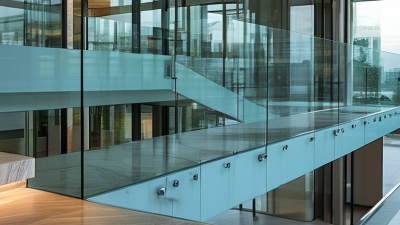
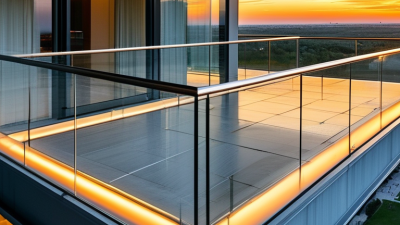
Starting a project that calls for specialized materials? One thing you really want to get a handle on is the different types of reflective glass. It's actually a pretty crucial element in modern architecture and design these days. I mean, did you know that, according to some market research, the global reflective glass market is expected to hit around $112 billion by 2026? Yeah, the demand is definitely on the rise. Architects and builders love using reflective glass because it not only helps cut down energy bills but also makes buildings look way more appealing.
But here’s the thing—picking the right reflective glass isn’t always as simple as it seems. There are so many factors to keep in mind, like how it handles solar heat or reduces glare. It’s easy to get overwhelmed and pick the wrong type, which could mess up your project’s overall look or function. Industry experts, like those from the American Society of Interior Designers, always emphasize how important it is to really understand what your project needs because not all reflective glass options are exactly the same.
A lot of folks tend to overlook durability or how much maintenance reflective glass will need over time, and that can lead to headaches down the road. Skipping the long-term performance analysis could end up costing you more later on. That’s why working with knowledgeable suppliers and doing some research on industry reports can make a huge difference in your decision-making. In such a rapidly changing market, staying informed about your options is pretty much essential if you want your project to turn out just right.

Understanding Reflective Glass: Types and Properties
Reflective glass plays a crucial role in modern architecture and design. Understanding its types and properties helps in selecting the right material for your projects. This glass is often categorized based on its reflective coating, which can vary in thickness and composition. For instance, some are designed to reduce solar heat gain while maintaining visibility. According to industry reports, up to 50% of energy consumption in buildings can be reduced with the right glazing choices.
Different reflective glass types offer unique benefits. Low-emissivity (Low-E) coatings reflect infrared light, enhancing energy efficiency. On the other hand, tinted reflective glass can cut glare and improve visual comfort. The solar heat gain coefficient (SHGC) is another critical metric, with values ranging from 0.25 to 0.75. A lower SHGC is preferable for buildings in hot climates. However, the aesthetics of the glass must align with the overall design goals.
Choosing reflective glass also has its challenges. The balance between aesthetics and performance can be tricky. For example, overly tinted glass may obstruct natural light. This can lead to increased reliance on artificial lighting. Projects using Bent Glass can showcase elegant curves while maintaining reflective properties. However, bending processes can complicate the production of high-quality reflective surfaces. These factors require careful consideration in the planning phase.
Key Factors to Consider When Selecting Reflective Glass
Choosing the right reflective glass for your project involves several key factors. One major aspect is the glass's reflectivity. High reflectivity often enhances energy efficiency and reduces heat gain. However, excessively reflective surfaces might cause glare or discomfort for occupants. Balancing these needs is crucial.
Another important factor is the glass's durability. Tempered glass is a popular choice due to its resistance to impact and thermal stress. It's ideal for high-traffic areas or harsh weather. Be mindful that some reflective coatings can affect the glass's overall strength. Always check specifications before making a decision.
Consider the aesthetics of your project. Reflective glass comes in various finishes that can complement your design. A mirrored finish can provide a modern look but might not suit a rustic environment. Selecting the right color and texture can enhance the appearance without overwhelming the space.
In terms of installation, ensure that your team is skilled in handling reflective materials. Improper installation can lead to issues down the line, such as seal failure. Consulting with professionals can help mitigate risks and guarantee a smooth process. Evaluate all these factors carefully to ensure your project meets both functional and visual requirements.
Applications of Reflective Glass in Different Industries
Reflective glass finds diverse applications across various industries, driven by its unique properties. In architecture, reflective glass enhances energy efficiency. It minimizes heat gain while maximizing natural light. Studies suggest that reflective glass can reduce energy costs by up to 30% in commercial buildings. This is particularly important in regions with extreme weather, where managing temperature is crucial.
In the automotive sector, reflective glass plays a vital role in safety and comfort. It reduces glare, ensuring clearer visibility for drivers. Reports indicate that implementing reflective glass in vehicles can diminish interior temperatures by as much as 10 degrees Fahrenheit. This not only enhances comfort but can also decrease air conditioning use, promoting energy savings.
The solar industry leverages reflective glass for its ability to redirect light. This boosts the performance of solar panels, resulting in higher energy output. Some analyses reveal that reflective coatings on solar panels can enhance efficiency by 15%. This innovation reflects the ongoing quest for sustainable energy solutions, highlighting the importance of reflective glass in contemporary projects. Choosing the right type is essential for maximizing these benefits, particularly in challenging environments.
Evaluating the Performance of Reflective Glass Materials
When evaluating the performance of reflective glass materials, it is essential to consider several key factors. The solar heat gain coefficient (SHGC) is a primary metric. Reflective glass can reduce solar heat gain by up to 50%. This reduction translates to lower cooling costs, especially in hot climates. Numerous studies indicate that using reflective glass can cut energy consumption by up to 30% during peak summer months.
Acoustic performance is another critical aspect to assess. Reflective glass materials can provide sound insulation, often rated between 30-40 decibels. This helps in urban projects where noise pollution can impact comfort. However, achieving optimal acoustic performance may require additional treatments, which can increase project costs. Reflection of sunlight can also lead to glare issues. Designers must balance aesthetics with practicality.
Durability and weather resistance are vital for the long-term use of reflective glass. Many manufacturers report that quality glass can withstand extreme temperatures and harsh weather. Yet, not all products perform uniformly. Reviewing independent test data is essential for selecting reliable material. Some reflective glasses degrade faster when exposed to pollutants. This can influence your decision profoundly. Always consider ongoing maintenance as part of your evaluation process. A careful approach ensures that choice aligns with the project's success.
Sustainability and Environmental Impact of Reflective Glass
Reflective glass offers unique benefits in building design, but its environmental impact merits attention. Increased energy efficiency is one measurable benefit. According to the U.S. Department of Energy, reflective glass can reduce cooling costs by up to 20%. This can lead to lower energy consumption in urban areas, which in turn benefits air quality. However, the production process of reflective glass still raises concerns. The manufacturing process consumes significant energy. Reports estimate that 10% of the glass production industry’s energy is from non-renewable sources.
Moreover, reflective glass can affect local ecosystems. Reflective surfaces can disrupt bird migration patterns. The American Bird Conservancy reports that millions of birds die each year due to collisions with reflective surfaces. This raises questions about the sustainability of using reflective glass in urban environments. Each project must weigh the benefits of energy efficiency against these ecological impacts.
Choosing the right "Glass Block" involves balancing performance with environmental responsibility. Architects and builders need to consider long-term effects. The choice of reflective glass should be backed by reliable data. This ensures that projects promote sustainability while minimizing negative impacts. The conversation around reflective glass continues to evolve, focusing on innovation and responsible choices.
Maintenance and Care for Reflective Glass Installations
Maintaining reflective glass installations requires regular care to ensure longevity and performance. Ideally, the glass should be cleaned every 1-3 months, depending on environmental conditions. Dust, dirt, and contaminants can build up on the glass surface, affecting reflectivity. A study by the Glass Association indicates that clean surfaces can maintain up to 90% efficiency in light reflection. Neglecting maintenance can lead to a reduction in these properties over time.
When cleaning reflective glass, avoid abrasive materials. Instead, use soft cloths or sponges. Employ a mixture of water and mild detergent, as harsh chemicals can cause damage. The correct cleaning technique is crucial; circular motions prevent streaks, while direct sunlight can cause drying spots. A periodic inspection for scratches or chips is also important. Even small imperfections can compromise the overall aesthetic and function of the installation.
Reflective glass often requires additional attention in urban areas. Pollutants may necessitate more frequent cleaning schedules. Weather conditions should also dictate maintenance efforts; for example, after storms or heavy winds, a closer inspection is advisable. While maintenance can seem daunting, it's essential. Developing a routine can enhance the beauty and functionality of reflective glass, allowing it to meet performance expectations long-term.
Budgeting for Your Reflective Glass Project
When budgeting for your reflective glass project, it’s crucial to start by defining your needs. Reflective glass comes in various styles and sizes, and each option has a different price point. Consider factors such="thickness" style="float:right; margin-left:10px; box-shadow: 2px 2px 5px rgba(0,0,0,0.3);"> of the glass and its UV resistance. These elements can dramatically affect costs. A thicker glass might provide better durability but could stretch your budget.
Schedule a detailed assessment of the total area to be covered. Accurate measurements will help prevent over-purchasing or under-buying, both of which can lead to waste. It's also helpful to factor in installation costs. Hiring a skilled professional ensures the glass is fitted properly, preventing future repairs. Sometimes, attempting a DIY approach can lead to mistakes that ultimately increase expenses.
Don't overlook long-term costs. Reflective glass tends to reduce energy bills, especially in climates with high sunlight. If you can, research energy-efficient options that may have a higher initial cost but will save you money over time. Balancing upfront expenses with long-term savings is key. Also, consult professionals who can provide insights into the lifecycle of different glass types.
FAQS
: Reflective glass is commonly used in modern architecture and design. It enhances energy efficiency and aesthetics.
With the right glazing choices, reflective glass can reduce energy consumption in buildings by up to 50%.
Reflective glass can have various coatings, including low-emissivity (Low-E) and tinted options. Each serves different purposes.
SHGC indicates how much solar heat is transferred through glass. Lower values are better for hot climates to reduce heat gain.
Reflective glass should ideally be cleaned every 1-3 months, depending on environmental conditions and accumulation of dirt.
Avoid using abrasive materials, as they can damage the glass surface. Soft cloths or sponges are preferred instead.
Using circular motions while cleaning prevents streaks. Cleaning in direct sunlight can lead to drying spots, diminishing reflectivity.
Urban pollutants can build up on reflective glass, requiring more frequent cleaning and inspections for scratches or damage.
Neglecting maintenance can lead to reduced reflectivity and deterioration of aesthetic qualities over time.
Balancing aesthetics and performance can be tricky. Overly tinted glass may obstruct natural light, increasing reliance on artificial lighting.
Conclusion
Choosing the right reflective glass for your project involves understanding its various types and properties. Reflective glass can enhance energy efficiency and aesthetic appeal, making it suitable for a wide range of applications across different industries. When selecting reflective glass, key factors such as performance characteristics, environmental impact, and maintenance requirements must be considered. Evaluating these aspects ensures that the glass not only meets design standards but also fulfills sustainability goals.
In addition, budgeting for reflective glass installations is critical to project success. Proper maintenance and care can prolong the lifespan of reflective glass, ensuring it continues to perform effectively while maintaining its visual quality. Overall, careful consideration of these elements will guide you in choosing the best reflective glass that aligns with your project’s needs and objectives.