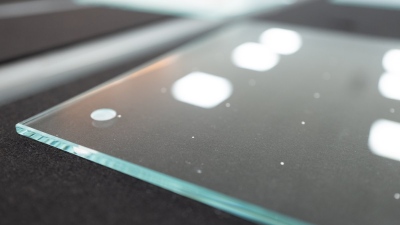
Picking the right laminated glass for your project isn’t something you should do on a whim. It’s kind of a tricky process that needs some real thought. Dr. Emily Thompson, from Clearview Solutions and a true expert in laminated glass, puts it nicely: “Not all laminated glass is created equal.” Basically, this means you really need to understand what your specific project needs before making a choice.
Laminated glass is pretty fantastic because it boosts safety and helps with noise reduction. But here’s the thing—just because a glass looks good or costs less doesn’t mean it’ll perform well. Different manufacturers use different materials and thicknesses, which can make a big difference in how long the glass lasts and how well it works.
You gotta think about your particular situation—what’s perfect for a house might not cut it for a busy commercial space. Also, don’t forget about where the glass’s going to be installed and what kind of weather it’ll be up against. Your choice should really blend your style with practical needs. Making an informed decision like this can save you from headaches and costly repairs down the road. When it comes to laminated glass, knowing what to pick really matters if you want everything to turn out just right.
Choosing Laminated Glass: Understanding the Basics and Benefits
Laminated glass offers a range of advantages that can enhance safety and comfort in various applications. Its multi-layered design helps absorb impact, making it an ideal choice for areas prone to breakage. According to a report by the Glass Association, laminated glass can reduce sound transmission by up to 30 decibels. This feature is beneficial for urban environments where noise pollution is a concern.
Understanding the composition of laminated glass is crucial. It is made by sandwiching a layer of polyvinyl butyral (PVB) between two glass panes. This construction not only provides strength but also flexibility. Some manufacturers are exploring innovative concepts like Bent Glass in architectural design, appealing to aesthetic and functional needs. The unique curvature of bent glass, combined with the safety profile of laminated materials, provides a fresh approach to modern construction.
Choosing the right laminated glass involves assessing your unique needs. Factors such as thickness, tinting, and treatment should all be considered. The performance of laminated glass can vary based on these aspects. A study by the American Architectural Manufacturers Association shows that thicker laminated glass can enhance security but might be cost-prohibitive for some projects. This decision process could lead to compromises that affect overall performance.
Identifying Your Specific Needs for Laminated Glass Applications
When choosing laminated glass, it's vital to identify your specific needs. Different applications require varied levels of durability, sound insulation, and safety features. For instance, if you need it for a busy urban setting, prioritize sound reduction. Laminated glass can effectively dampen external noise, creating a more comfortable environment.
Consider your environment too. In areas prone to extreme weather or storms, thicker laminated glass with a robust interlayer may offer better protection. However, this can lead to increased weight and potential installation challenges. Balancing durability and ease of installation is crucial. It’s not uncommon to find projects where durability suffers due to installation compromises.
Think about the aesthetics. Should you choose a clear or tinted finish? Clear glass maintains visibility but may allow unwanted UV rays. Tinted options reduce glare and heat but could alter the building's appearance. Each choice has trade-offs. Reflect on what matters most—function or form? Your decision will influence performance and style, so it's wise to evaluate thoroughly. An informed choice enhances both practicality and visual appeal.
Evaluating Safety Ratings: Impact Resistance Standards and Testing
When selecting laminated glass, understanding safety ratings is crucial. Impact resistance standards play a significant role in this decision-making process. Laminated glass is designed to withstand impacts better than regular glass. It can absorb energy, reducing the risk of shattering during accidents. Evaluating these standards ensures the glass meets the necessary thresholds for safety in various environments.
Testing methods for impact resistance vary widely. Some systems use drop ball tests, while others apply pressure from structured impacts. Each method provides data on the glass's durability. Knowing these details helps consumers make educated choices. It’s also wise to consider the application of the glass. For example, a
Glass Door
may require higher impact resistance if located in high-traffic areas.
Reflecting on personal needs is essential. Not every laminated glass will suit every situation. It’s important to assess not just impact resistance but also aesthetic qualities. Sometimes, the most stylish choice may lack the necessary strength. Prioritizing both safety and design will yield the best results. Balancing these factors enables consumers to choose the right laminated glass for their needs.
Energy Efficiency Considerations: R-Values and UV Protection Levels
When choosing laminated glass, energy efficiency is a crucial factor. The R-value measures thermal resistance, indicating how well the glass retains heat. Higher R-values mean better insulation. According to the U.S. Department of Energy, laminated glass can provide R-values around 2 to 3, considerably improving energy efficiency over single-pane options.
UV protection is equally important. Laminated glass can block up to 99% of harmful UV rays. This protects interior furnishings, reducing fading and damage. A study by the National Renewable Energy Laboratory found that UV filtration can enhance the lifespan of home interiors. However, achieving optimal energy efficiency and UV protection often involves trade-offs.
Proper installation is critical. Even the most advanced glass can underperform if not fitted correctly. Small gaps or poor seals can lead to energy loss. Clean installation improves both R-values and UV performance. Always consult with industry experts to ensure the best choices for your specific needs.
Energy Efficiency of Laminated Glass: R-Values and UV Protection Levels
Types of Laminated Glass: Polyvinyl Butyral (PVB) vs. Ethylene Vinyl Acetate (EVA)
When selecting laminated glass, understanding the types is essential. Polyvinyl Butyral (PVB) and Ethylene Vinyl Acetate (EVA) are two popular options. PVB is known for its reliability and good sound insulation properties. It consists of a tough interlayer that holds glass fragments together during breakage. This feature makes it a favorite in safety applications, like car windshields and building façades.
EVA, on the other hand, offers flexibility and enhanced adhesion. It often performs better in extreme temperatures. Some argue it may have a longer lifespan due to its resistance to UV degradation. However, EVA can be less effective in soundproofing compared to PVB. This difference can be crucial in urban settings where noise reduction is a priority. Understanding these nuances helps in making informed decisions based on your specific needs.
Choosing between PVB and EVA isn't always straightforward. Each material has its strengths and weaknesses. It’s important to weigh factors such as thermal performance, sound insulation, and application context. This process can be complex, and it may lead to second-guessing your choice. Consider consulting experts in the field to gain insights tailored to your project.
Aesthetics and Customization: Options in Laminated Glass Finishes
Laminated glass offers diverse finishes that enhance aesthetics and functionality. One popular option is frosted glass, which provides privacy without sacrificing light. According to a market analysis by Transparency Market Research, the demand for frosted laminated glass has increased by 35% in commercial designs over the past five years. This finish is often used in office partitions and Glass Roofs, where natural light is essential.
Custom colors are another appealing aspect. Homeowners can choose from a range of hues to personalize their spaces. Recent studies suggest that custom finishes can increase property value by up to 12%. However, choosing a color that fits well with existing decor can be challenging. It’s essential to consider the overall design and how natural light interacts with different colors.
Many designers overlook texture, which can significantly affect the aesthetics of laminated glass. Textured finishes like patterned or embossed glass can add depth to a space. Yet, it's crucial to remember that too much texture may distract from other design elements. Balancing aesthetics and utility can be difficult, but it’s vital for a cohesive look.
Cost Analysis: Balancing Quality and Budget for Laminated Glass Solutions
When selecting laminated glass, cost is a key factor. The price can vary significantly based on thickness, quality, and customization. Budget constraints often push buyers to compromise on quality. However, remember that investing in better materials can enhance safety and durability. Cheaper options may save money upfront but could require replacements sooner.
Understanding your needs is crucial for finding a balance. To make informed choices, consider factors like location and purpose. For instance, residential uses may prioritize aesthetics, while commercial applications require strength. A detailed cost analysis can highlight where to allocate funds effectively. A little extra spent on quality can save money in the long run—especially when balancing performance with aesthetic appeal.
Don’t neglect hidden costs like installation or maintenance. Over time, these can add up. Reflect on the long-term implications of your choice. While laminated glass offers safety and sound insulation, avoid getting lost in the details. Be clear about what you value most. Sometimes, simpler solutions, like a
Glass Block, might serve your needs just as well. Embrace the idea that perfection isn’t always necessary; functionality often trumps mere aesthetics.
Optimizing Energy Efficiency: The Benefits of China VacStar Vacuum Glass for Modern Insulation Solutions
In the quest for modern insulation solutions, optimizing energy efficiency has become a paramount concern for architects and builders alike. The introduction of advanced materials like vacuum glass represents a significant leap forward in achieving superior thermal performance. This innovative building material utilizes a near-perfect vacuum created between two glass panes, drastically reducing thermal conductivity. As a result, it outperforms traditional double glazing options, ensuring that indoor environments remain comfortable while minimizing energy consumption.
Not only does this cutting-edge technology enhance insulation capabilities, but it also contributes to impressive energy savings. By regulating indoor temperatures more effectively, it allows buildings to rely less on heating and cooling systems, leading to lower energy bills and a reduced carbon footprint. Additionally, the acoustic properties of vacuum glass provide excellent sound insulation, further improving the quality of living and working spaces. Ideal for sustainable construction, its sleek and slim profile seamlessly integrates into modern architectural designs without compromising aesthetics.
With a commitment to sustainability and innovation, the adoption of vacuum glass demonstrates a proactive approach to energy efficiency in building practices. It caters to eco-conscious projects focused on long-term durability and environmental responsibility, making it an essential choice for forward-thinking builders and architects looking to enhance their designs while contributing positively to the planet.
FAQS
: Identify your specific needs, durability levels, sound insulation, and safety features for your application.
Laminated glass effectively dampens external noise, making urban environments more comfortable to live in.
Thicker glass offers better protection in extreme weather but may increase installation challenges. Balance is key.
You can choose clear or tinted finishes. Each option has trade-offs between visibility, glare reduction, and style.
Energy efficiency matters. Higher R-values indicate better insulation, enhancing your home's energy performance.
It can block up to 99% of harmful UV rays, protecting interior furnishings from fading and damage.
Even advanced glass can underperform with poor installation. Small gaps can significantly lead to energy loss.
Yes, achieving optimal energy efficiency may affect the visual appeal of laminated glass. Consider what matters most.
Yes, UV filtration can enhance the lifespan of home interiors by reducing fading and damage.
The R-value measures thermal resistance, indicating how well glass retains heat. Higher means better insulation.
Conclusion
Choosing the right Laminated Glass involves understanding its fundamental characteristics and benefits, particularly in relation to your specific needs. It’s crucial to evaluate safety ratings, which include impact resistance standards and testing, ensuring the product meets required safety criteria for your application. Additionally, consider energy efficiency by looking at R-values and UV protection levels, as these factors influence overall performance and comfort.
There are different types of Laminated Glass, such as Polyvinyl Butyral (PVB) and Ethylene Vinyl Acetate (EVA), each offering unique advantages. Aesthetic options and customization are also important, as they can enhance the visual appeal of your space. Finally, a thorough cost analysis is essential to balance quality and budget, ensuring you invest in suitable Laminated Glass solutions that fulfill both your functional and financial requirements.