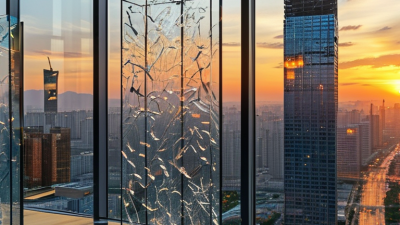
Picking out the best Bulletproof Glass for what you need can honestly feel pretty overwhelming at times. I mean, with so many options out there, it’s easy to get lost in the details. Security expert John Carter from SafeGuard Industries puts it simply: “Getting the right Bulletproof Glass is just as important as understanding what threats you're trying to stay safe from.” His point really hits home—it's about weighing both the features of the product and your own security needs.
When you're looking at different types of Bulletproof Glass, it’s super important to think about the level of protection they offer. Not all glass is the same, and what you need depends on where you're putting it. For example, some might be better for high-threat areas, while others do just fine for less risky spots. Stuff like thickness and how it’s layered can also make a big difference in how well it performs. Plus, your environment matters — a busy city might call for different specs than a quiet rural setting.
That said, a lot of folks tend to overlook their specific needs and just go for the cheapest option. But honestly, it’s worth taking a moment to think about what threats you actually face on a daily basis. Don’t just focus on the initial price tag—think about durability and how much effort it’ll take to maintain the glass over time. Sometimes the cheaper stuff can end up causing more headaches down the line. Bottom line? Finding the right Bulletproof Glass isn’t just about what’s available, but about doing your homework and really knowing what you need. Take some time, do your research, and go for what genuinely fits your security profile—it's worth it.
Understanding Bulletproof Glass and Its Types
Bulletproof glass is a crucial safety feature in many environments. Understanding its types can guide you to the right choice. There are several categories of bulletproof glass, mainly composed of layers of glass and plastic. The thickness and composition vary depending on its intended use.
One common type is laminated glass. It contains multiple layers of glass bonded with a resin. This construction can withstand small arms fire. Another type is polycarbonate glass, known for its high impact resistance. It has a lighter profile and serves well in less hostile situations. However, it's essential to consider the trade-offs in visibility and weight.
Different situations require different solutions. Sometimes the best choice isn't the most robust option but the one that balances safety and practicality. Consider the location and potential threats. Reflect on what your ultimate needs are. It's not just about stopping bullets; it’s about ensuring safety without compromising other vital aspects.
Key Factors to Consider When Choosing Bulletproof Glass
When selecting bulletproof glass, consider the specific requirements of your environment. Look into the level of threat you expect. Different materials offer varying levels of protection. Examine the ballistic ratings. These ratings indicate how well the glass can resist different types of ammunition. Ensure that the glass meets the necessary standards for safety and reliability.
Opt for thickness and weight based on your application. Thicker glass usually provides better protection but can be heavier and more challenging to install. Also, evaluate transparency. Clarity is vital for visibility. A clear view can enhance the usability of bulletproof glass. Pay attention to specialized options like Bent Glass. This unique shape can fit various architectural needs while still offering protection.
Consider installation methods as well. Some require professional help, while others allow for DIY setups. Assess your comfort level with installation. Reflect on your choices carefully. The right bulletproof glass is not just about safety; it's also about how it integrates into your space. Think about maintenance too; some glass types may require regular upkeep to retain their protective properties. Choose wisely.
Evaluating the Level of Protection Needed for Your Setting
Choosing the right bulletproof glass requires assessing your specific protection needs. Its effectiveness is rated based on specific threat levels. For instance, the UL 752 ratings classify different glass products by their ability to withstand various types of ammunition. Level 1 can stop a .22 LR round, while Level 8 is capable of withstanding military-grade 7.62mm ammunition. Understanding these ratings is crucial when selecting glass for a setting like a commercial building or a secure facility.
Consider the environment where the glass will be installed. High-traffic areas may require enhanced security, while low-risk locations could use lower-rated glass. In addition, factors like the glass's clarity, weight, and thickness play a vital role in its application. A thicker panel may provide added protection but could also impact installation requirements, especially around a Glass Door. Architects and security experts must collaborate when defining these specifications.
Do not overlook potential installation challenges. The success of bulletproof glass relies not only on its quality but also on a professional installation. Improper fitting can create vulnerabilities, compromising overall security. Consulting with experts can help navigate this complex decision-making process. Ultimately, your choice should align with your specific security needs and operational context.
How to Choose the Best Bulletproof Glass for Your Needs? - Evaluating the Level of Protection Needed for Your Setting
| Protection Level |
Typical Usage |
Material Composition |
Thickness (inches) |
Weight (lbs/sq ft) |
| Level I |
Residential & Commercial Buildings |
Polycarbonate |
0.5 |
2.5 |
| Level II |
Banks & ATMs |
Polycarbonate + Laminated Glass |
0.75 |
3.5 |
| Level III |
Police Stations & Prisons |
Laminated Glass + Acrylic |
1.0 |
5.0 |
| Level IV |
Military Installations |
Multi-layered Laminated Glass |
1.25 |
7.0 |
| Level V |
High-security Facilities |
Ballistic-rated Glass |
1.5 |
9.0 |
Comparing Materials Used in Bulletproof Glass Construction
When selecting bulletproof glass, understanding the materials used is crucial. The most common materials are polycarbonate, acrylic, and laminated glass. Polycarbonate, known for its high impact resistance, is often used in environments requiring lightweight protection. This material can withstand multiple impacts, but it can scratch easily, which might affect visibility over time.
Acrylic is another option. It is lighter than glass and more affordable. However, acrylic tends to warp and degrade from UV exposure, limiting its longevity. According to a report from the Glass Association, laminated glass combines layers of glass with plastic interlayers. This creates a durable barrier that remains intact upon impact, ideal for security applications.
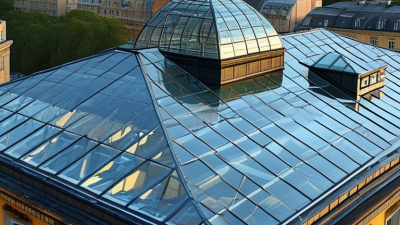
Interestingly, the thickness of bulletproof glass varies, affecting its performance. Standard options range from 1 inch to over 3 inches thick. Thicker glass provides better resistance but can weigh significantly more, which affects structural considerations, especially in installations like a Glass Roof. The trade-off between weight and protection is an important factor to weigh when making a selection.
Cost Considerations for Different Bulletproof Glass Options
When selecting bulletproof glass, cost is a crucial factor. Different types of bulletproof glass come with varying price tags. According to a recent industry report, basic polycarbonate options start at around $30 per square foot. This is a budget-friendly choice for residential use. However, higher-end options like laminated glass can cost upwards of $100 per square foot. They offer improved durability but at a steeper price.
Consider usage scenarios when evaluating costs. Public institutions may require thicker, more resistant glass. A study found that 70% of businesses prioritize security upgrades in high-risk areas. Higher upfront costs might lead to lower long-term expenses due to enhanced protection. Yet, not all bulletproof glass is the same; performance rating matters. Some products may not meet necessary ballistic standards despite lower prices.
While cheaper options exist, the trade-off may be inadequate protection. Reviews indicate that some cost-effective glass solutions failed to withstand even small-caliber firearms. It's essential to align your choice with specific security needs. Investing in quality glass mitigates risk. You don’t want to compromise safety for cost. Consider these elements carefully for the best decision.
Installation and Maintenance of Bulletproof Glass Products
When considering bulletproof glass, installation and maintenance play crucial roles in its effectiveness. Proper installation ensures that the glass performs as intended. According to industry standards, incorrectly installed bulletproof glass can reduce its vulnerability ratings. This may compromise safety during critical situations.
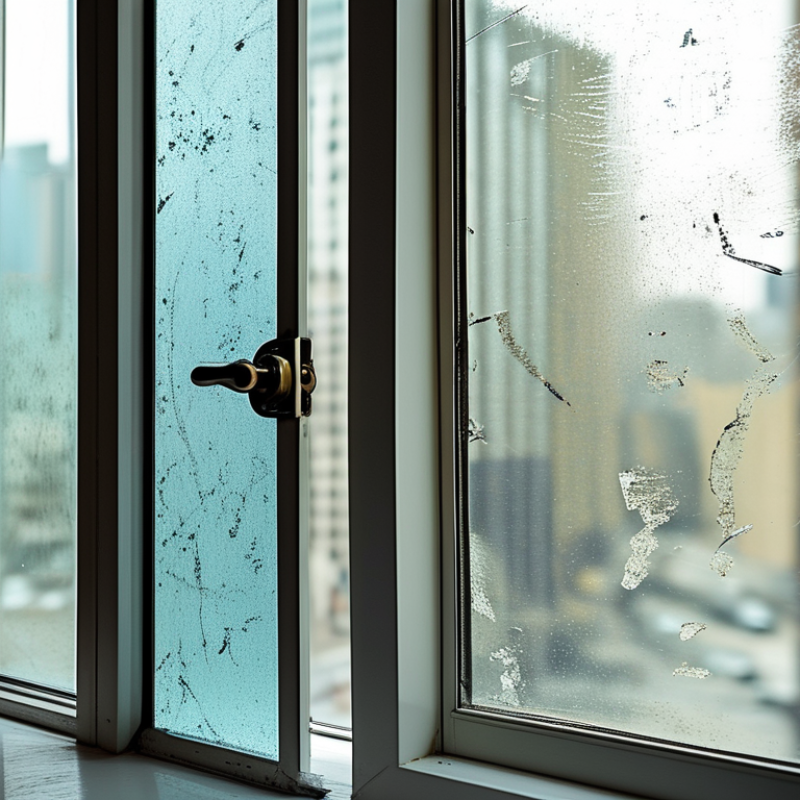
The National Institute of Justice (NIJ) specifies that maintenance procedures should be upheld to sustain the glass’s integrity. Regular inspections are necessary. A report from the Glass Association of North America states that minor wear and tear can impact performance. Visible scratches and chips need to be addressed immediately. Many experts recommend replacing the glass rather than attempting repairs, depending on the severity of the damage.
Estimates show that around 30% of installed bulletproof glass might face issues due to improper care. Neglecting routine upkeep can lead to unforeseen vulnerabilities. Therefore, owners must develop a structured maintenance schedule. Ensuring the glass remains free of contaminants is equally vital. This can enhance visibility and avert potential accidents.
Regulatory Standards and Certifications for Bulletproof Glass
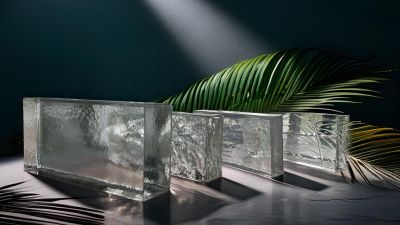
When selecting bulletproof glass, understanding regulatory standards is critical. These standards are essential for ensuring safety and performance. Different regions have various certifications. Such differences can impact how Glass Blocks are rated for strength and durability.
A key tip is to check if the glass meets industry standards, like UL752 or ANSI/UL 6196. These certifications indicate the glass’s ability to withstand specific threats. It’s vital to ensure the product has thorough testing reports. Ask the supplier for these certifications before making a purchase.
Another aspect to consider is the intended use of the glass block. Whether for a commercial application or personal security, requirements may vary. Consider environmental factors, such as weather exposure and potential usage scenarios. This will guide you in choosing the right thickness and composition. Engaging with professionals in the field can deepen your understanding and help you make informed decisions.
Optimizing Architectural Designs with K9 Cast Crystal Glass: A Guide to High-Quality Solutions from China Suppliers
Optimizing architectural designs starts with the materials chosen, and K9 cast crystal glass is revolutionizing the industry. This premium glass, crafted with precision, offers a unique blend of aesthetic beauty and superior structural performance. Architects and developers are increasingly drawn to K9 glass for its ability to enhance both the visual appeal and functionality of their projects. Its clarity and brilliance make it an ideal choice for a wide range of applications, from towering skyscrapers to elegant residential spaces.
The benefits of K9 cast crystal glass extend beyond its stunning appearance. With a focus on durability, this innovative material is designed to withstand the rigors of various architectural demands. It enables builders to push the limits of their creativity while adhering to sustainable practices. By opting for K9 glass, projects not only achieve a high-quality finish but also contribute to reducing environmental impacts, making it a responsible choice for modern architecture. Partnering with reliable suppliers from China ensures access to this exceptional material, empowering design visions with confidence and elegance.
FAQS
: Assess your protection needs based on specific threat levels. Consider the location and potential risks.
Ratings, such as UL 752, classify glass by its ability to withstand different ammunition types. Level 1 stops .22 LR.
Proper installation is crucial for effective performance. Poor fitting can create vulnerabilities, compromising security.
Regular inspections are necessary to maintain integrity. Address scratches and chips promptly to avoid performance issues.
Inspections should be routine. Neglecting upkeep can lead to vulnerabilities, impacting overall safety.
Experts often recommend replacing damaged glass rather than repairing it, depending on the damage's severity.
Yes, thicker panels may require different installation methods. This could impact overall application and security.
Estimates indicate around 30% may have issues due to improper care. This emphasizes the need for structured maintenance.
High-traffic areas may need enhanced security. Low-risk locations could do with lower-rated glass for cost-effectiveness.
Yes, clarity is essential for visibility. Contaminants on the glass can hinder vision and might cause accidents.
Conclusion
When choosing the best bulletproof glass for your needs, it is essential to understand its types, including laminated and polycarbonate options, and their respective properties. Key factors to consider include the level of protection required based on your specific setting, as well as the materials used in the construction of the glass, which can significantly influence performance.
Additionally, cost considerations must be taken into account, as different options vary in price depending on the level of protection and material composition. Proper installation and maintenance of bulletproof glass are crucial to ensure its effectiveness over time. Lastly, it is important to be aware of the regulatory standards and certifications that apply to bulletproof glass, ensuring that the products meet the necessary safety requirements for your intended use.