
Picking out the best Glass Coating in 2026 isn't just about crunching numbers or getting dazzled by shiny product pics. Honestly, something that looks flawless under showroom lights might totally fail when it faces the real world—think busy streets, salty seaside air, or a bustling commercial kitchen. Things like climate, type of glass, how you clean it, sunlight exposure, and how long you want it to last all come into play. The best choice really starts with understanding your building’s actual conditions.
Dr. Andreas Hartwig, a coatings expert over at Fraunhofer Institute for Silicate Research, once said, “A coating needs to be judged based on where it’ll actually be used, not just in a lab.” That little nugget of wisdom is still super relevant today. When shopping around, ask manufacturers for data on abrasion resistance, chemical toughness, how it handles sunlight, and what the installation process involves. And if you can find independent testing results, even better! A clear, detailed datasheet often beats vague promises hands down.
This guide walks you through different types like hydrophobic, oleophobic, low-emissivity, solar-control, and easy-clean coatings. We’ll also look at how well they’re applied, what kind of maintenance they need, warranty details, and how they’ll look over time. Some coatings hide fingerprints but might show water spots more easily. Others help control heat but could slightly alter the glass's color. Honestly, there’s no one-size-fits-all winner here—that’s the tough part.
A hands-on approach helps a lot. Try applying a small sample panel and subject it to your usual cleaning products, dust, rain, and daily bumps. Then check it out in the morning and evening light. Measure how it performs, but don’t forget to look at how reflections, streaks, or edge defects appear. Picking the right coating in 2026 means balancing what you see in the lab with what you actually experience in real life. Sometimes, the best choice isn’t the newest or flashiest product—it's the one that just performs reliably, can be installed properly, and still makes sense long-term, even after the sales pitch is over.
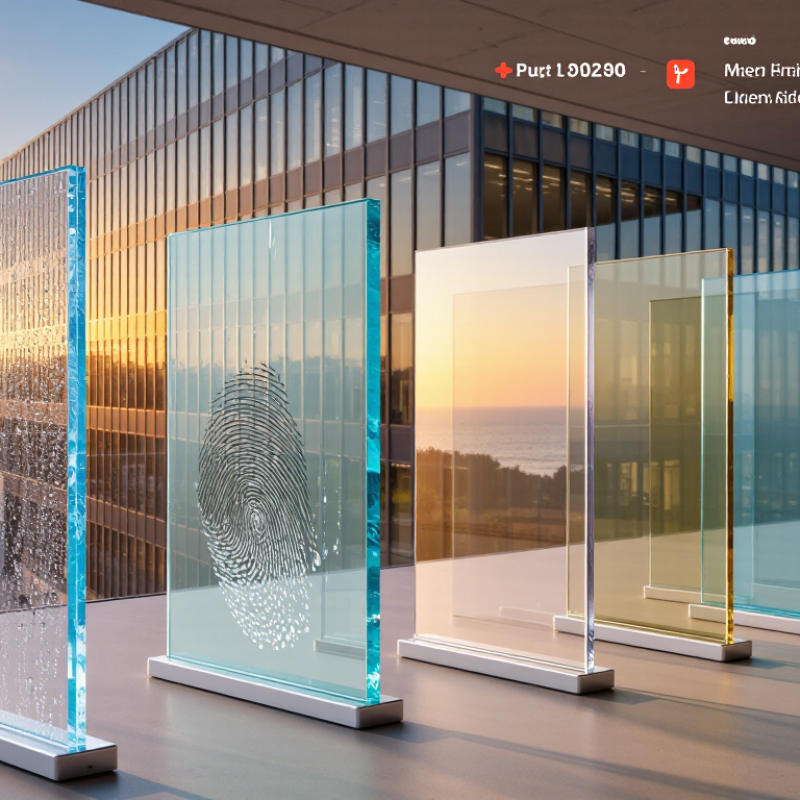
Choosing a glass coating starts with a clear purpose, not a product catalogue. Define what the glass must improve: heat control, glare reduction, privacy, scratch resistance, or easier cleaning. A west-facing window may need solar control, while a display case demands stable light transmission. Write the goal in measurable terms. “Reduce afternoon glare” is useful; “make it better” is not.
Measure the location, climate, lighting, cleaning routine, and viewing angle. For energy performance, compare visible light transmission, solar heat gain, and emissivity. Low E Coating can reduce heat transfer, but its value depends on the complete window assembly. A coating suited to insulated glass may disappoint on a single pane. Check temperature ranges and service conditions. Request independent test data, installation instructions, and warranty limits. These details show whether laboratory claims fit the site.
Consider daily use. Fingerprints near a shop entrance require a different surface strategy from dust on a high office façade. Confirm compatibility with sealants, films, cleaners, and edge treatments before approval. A sample panel can reveal color shifts, reflections, and uneven application. Do not skip it. A visually attractive sample may look different under cool evening lights. That assumption can fail. Recheck priorities with the installer, because maintenance access and workmanship can change the final result. Leave room for revision; performance targets sometimes conflict with appearance.
Choosing a glass coating starts with the surface environment, not the product label. In practical testing, hydrophobic coatings made rain bead quickly on exterior glass. They also reduced water spots after storms. However, their performance weakened when dust and mineral residue built up. Regular cleaning remained necessary. Very necessary.
Oleophobic coatings target fingerprints, skin oils, and kitchen grease. They suit doors, touch panels, and frequently handled glass. Anti-reflective coatings improve visibility by reducing glare from lamps and sunlight. Their value becomes clear beside a bright window or display. Low-emissivity coatings work differently. They limit heat transfer and can support indoor temperature control. These coatings require careful specification because performance depends on glass thickness, climate, and installation quality.
Bent Glass needs extra attention. Curved surfaces can expose uneven coating thickness, edge stress, or optical distortion. A coating may perform well on flat samples but look inconsistent after bending. I have seen minor haze become obvious under angled light. That result was disappointing, but useful.
Always inspect a coated sample under daylight, artificial light, and direct touch. Check abrasion resistance, chemical tolerance, surface hardness, and expected service conditions. Some specifications appear impressive until repeated cleaning begins. Ask for test methods, not only performance claims. A reliable choice matches the coating’s core property to the glass’s daily abuse.
How to Choose the Best Glass Coating in 2026?
A durable glass coating should survive daily contact, not just look impressive after installation. Check its resistance to ultraviolet light, heavy rain, humidity, and temperature changes. Coastal buildings also face salt deposits, which can expose weak formulas quickly. Ask for documented testing, expected service life, and clear application instructions. A professional installer should explain surface preparation, curing time, and suitable glass types. Small details matter.
Maintenance needs can determine the real cost. A coating that needs frequent polishing may become inconvenient on tall windows or large façades. Look for smooth surfaces that reduce water spots, dust buildup, and mineral staining. Test a small glass section first. Watch it through several weather cycles. I once focused too heavily on initial shine and ignored cleaning requirements. That was a costly lesson. Appearance alone is not enough.
Tips: Compare two sample panels outdoors. Record water behavior after rain. Inspect the surface after washing and drying. Use only compatible cleaners, soft tools, and the recommended cleaning schedule. Avoid assuming every coating performs equally on shower glass, vehicle glass, and exterior windows. Local weather should guide your choice.
| Coating Type | Primary Function | Typical Service Life | Durability | Weather Resistance | Maintenance Requirement | Typical Limitations | Best-Suited Applications |
|---|---|---|---|---|---|---|---|
| Silane or Siloxane Hydrophobic Coating | Repels rainwater, reduces water spots, and helps prevent mineral deposits from bonding to the glass. | Approximately 6–24 months for many manually applied exterior treatments. | Moderate | Good | Clean with a pH-neutral glass cleaner; periodic reapplication is normally required. | Performance can decline because of abrasive cleaning, hard-water deposits, strong detergents, and frequent contact. | Residential windows, shower glass, skylights, and light-to-moderate exterior exposure. |
| Fluoropolymer-Based Coating | Provides water and oil repellency while improving resistance to staining and chemical attack. | Approximately 2–7 years, depending on formulation, surface preparation, and exposure. | High | Very good | Routine washing with non-abrasive products; avoid aggressive solvents unless approved for the specific coating. | Usually costs more than basic hydrophobic treatments and may require controlled application conditions. | Commercial façades, marine environments, transport glazing, and high-staining locations. |
| Sol-Gel Ceramic or Inorganic Coating | Forms a chemically bonded protective layer that can improve hardness, water repellency, and resistance to environmental contaminants. | Approximately 3–10 years when correctly applied and maintained. | High | Very good | Low to moderate; use soft tools and pH-neutral cleaners, with occasional inspection for mineral buildup. | Requires thorough degreasing and surface preparation; poor application can cause haze, streaks, or uneven coverage. | High-value architectural glazing, curtain walls, glass roofs, and demanding exterior installations. |
| UV-Curable Acrylic Coating | Creates a transparent protective film that can improve scratch resistance, chemical resistance, or surface protection. | Approximately 3–10 years, depending on UV stability and whether the coating is used indoors or outdoors. | Moderate to high | Good to very good | Regular cleaning with approved non-abrasive products; inspect edges and high-contact areas. | Some formulations may yellow, craze, or lose gloss under prolonged ultraviolet exposure or incompatible cleaning. | Interior glass, display panels, protective glazing, and applications needing a uniform film layer. |
| Oleophobic Anti-Fingerprint Coating | Reduces adhesion of skin oils and fingerprints, making marks easier to remove. | Approximately 1–5 years, with shorter life on frequently touched surfaces. | Moderate | Moderate to good | Clean with a soft microfiber cloth and a mild, compatible cleaner; avoid abrasive wipes. | Touch, friction, repeated wiping, and harsh chemicals gradually reduce performance. | Touchscreens, interior partitions, display glass, mirrors, and frequently handled glass surfaces. |
| Low-Emissivity (Low-E) Sputtered or Pyrolytic Coating | Reduces infrared heat transfer and can improve building energy performance; it is not primarily a stain-repellent coating. | Approximately 10–30 years or longer when sealed within an insulating glass unit; exposed coatings require product-specific protection. | Very high when protected | Very good when protected | Normal glass cleaning; avoid damaging the coated surface and follow the glazing system’s maintenance instructions. | Not designed mainly for water or fingerprint repellency; exposed surfaces may be sensitive to scratching or unsuitable cleaners. | Energy-efficient windows, commercial façades, and insulating glass units. |
| Anti-Reflective Multilayer Coating | Reduces visible reflections and improves light transmission for clearer viewing. | Approximately 5–15 years in protected architectural or optical applications; exposure-specific products may vary. | Moderate to high | Good when properly sealed | Use soft, clean tools and compatible pH-neutral cleaners; prevent sand and grit from contacting the surface. | Thin multilayer structures can be more vulnerable to abrasion, fingerprints, and unsuitable cleaning methods. | Museum glazing, display cases, optical panels, solar applications, and low-glare architectural glass. |
Choosing the best glass coating in 2026 begins with the pane, not the product label. Clear float glass, tempered glass, laminated glass, and low-emissivity units can react differently to treatment. Inspect the surface for factory films, silicone residue, scratches, and mineral deposits. A coating may bond well to clean glass yet fail on an existing layer. I learned this after a small test patch looked perfect, then showed uneven gloss under side lighting. Surface history matters.
Match the coating chemistry to the installation setting. Exterior windows face rain, dust, ultraviolet exposure, and temperature swings. Shower glass needs resistance to soap residue and repeated wiping. Interior partitions may need low odor and quick curing, especially in occupied spaces. Check the technical data for application temperature, humidity range, drying time, and required ventilation. Do not assume a warm room is dry enough. Condensation can form on cool glass and weaken adhesion.
Use a hidden test area before treating the full panel. Clean it with the specified method, apply the measured amount, and inspect it after curing. Test water behavior, clarity, touch marks, and edge appearance. A coating that beads water impressively may still create glare or visible overlap lines. I would question easy “one-step” claims. Real installation includes frames, corners, handling dust, and impatient schedules. If the glass is damaged or its construction is unclear, pause and ask a qualified installer to verify compatibility.
Choosing the best glass coating in 2026 requires more than comparing shine, hardness, or price. Safety should guide the decision. For a Glass Door, check whether the coating has been tested for adhesion, slip resistance, and resistance to cleaning chemicals. A clear safety data sheet should identify ingredients, handling risks, and ventilation needs. Do not trust a “non-toxic” label alone.
Environmental impact also deserves close attention. A water-based formula may reduce solvent emissions, but it is not automatically sustainable. Ask about volatile organic compounds, packaging, curing energy, and disposal instructions. During a site inspection, I would look for peeling edges, strong odors, and wastewater entering ordinary drains. Small details often expose larger environmental problems. I have learned this the hard way.
Regulatory compliance must be verified for the installation location. Review local rules for indoor air quality, worker protection, chemical storage, and waste management. Request independent test reports, batch information, and clear application limits. Standards can differ between countries, and a certificate may cover only one performance claim. An experienced installer should record surface preparation, temperature, humidity, and curing time. These records support traceability if the coating fails later. Some choices still involve uncertainty. A coating with lower emissions may need more frequent maintenance, while a highly durable option may require energy-intensive curing. That trade-off deserves honest review.
Choosing the best glass coating in 2026 starts with the surface, not the label. A Glass Roof needs strong water beading, UV resistance, and stable performance through heat and frost. Bathroom glass has different needs, especially against soap film and hard-water marks. I check the glass age, existing damage, and cleaning habits before comparing products. This practical step prevents an attractive coating from failing on the wrong surface.
Cost includes more than the container. A low-priced coating may require deep cleaning, polishing, masking, and repeated labor. Spray-on systems can cover large panels quickly, but uneven pressure may leave hazy bands. Wipe-on formulas offer better control around edges and fixtures. They demand patience. Professional application usually costs more upfront, yet trained preparation can reduce missed spots and premature rework. For a small shower panel, DIY may be reasonable after a test patch. For a high Glass Roof, safety equipment and access often justify skilled labor.
Long-term value depends on maintenance, not promised lifespan alone. Ask for independent test data, care instructions, warranty terms, and realistic reapplication intervals. A three-year coating may win if it needs gentle cleaning. A five-year product may disappoint when it requires harsh scrubbing. I would also calculate saved cleaning hours, water use, and replacement risk. My own judgment is not flawless; climate, installer technique, and daily use can change results. That uncertainty deserves a small trial area and written expectations before full application.
It should handle ultraviolet light, heavy rain, humidity, and temperature changes. Coastal areas also add salt deposits. Ask for test records and expected service life. Looks can mislead.
Frequent polishing can become difficult on tall windows or large façades. Choose a smooth surface that limits water spots, dust, and mineral stains. Convenience matters.
Yes. Treat a small glass section first. Compare two sample panels outdoors. Record water behavior after rain, washing, and drying. One test may still miss long-term problems.
No. Clear float, tempered, laminated, and low-emissivity glass may react differently. Check for factory films, silicone residue, scratches, and mineral deposits. Surface history matters.
Review the required temperature, humidity range, drying time, and ventilation. Cool glass may collect condensation, even in a warm room. That can weaken adhesion.
Yes. Exterior windows face rain, dust, ultraviolet exposure, and temperature swings. Shower glass needs resistance to soap residue and repeated wiping. Interior partitions may need low odor and quick curing.
Check clarity, water behavior, touch marks, glare, and edge appearance. Look for uneven gloss under side lighting. A perfect patch may not represent the whole panel.
Be careful. Real work includes frames, corners, dust, surface preparation, and curing time. Ask a qualified installer to confirm compatibility when the glass is damaged or unclear. I once trusted a fast process too much. That mistake was expensive.
Choosing the best Glass Coating in 2026 starts with clearly defining your goals, such as improving scratch resistance, reducing glare, enhancing thermal performance, or making surfaces easier to clean. Compare major coating types by examining their optical clarity, hardness, water and oil repellency, heat tolerance, and intended application. It is also important to evaluate durability, weather resistance, expected maintenance, and how well the coating matches the specific glass surface and installation environment.
A reliable selection should also consider user safety, environmental impact, indoor air quality, and compliance with relevant regulatory standards. Compare total costs rather than focusing only on the initial price, including surface preparation, application equipment, labor, repairs, and reapplication needs. Finally, review the application method and long-term performance to determine whether the coating delivers lasting value under real operating conditions. A balanced assessment of performance, compatibility, sustainability, and lifecycle cost will help you make a practical and informed decision.