
Leave Your Message
0%

So here’s the deal with Laminated Glass: it’s basically two or more glass sheets sandwiched around a tough interlayer, usually made of polyvinyl butyral (PVB). Heat and pressure do their thing, and you end up with a single solid panel. Now, if it gets hit hard, the glass can crack—but the fragments mostly stay stuck to that interlayer. That’s a big deal, honestly. Still, don’t go thinking it’s indestructible, because it’s not. You know, how well it performs on impact really comes down to a few things—the thickness of the glass, what kind of interlayer you're using, the quality of the edges, and, of course, the installation itself.

You’ve probably seen laminated glass without even thinking about it—windshields, storefronts, skylights, those glass railings on balconies. At home, it’s the stuff that keeps shattered window bits from flying everywhere, and in a busy office it can help muffle street noise a bit. But here’s the thing: how it actually performs depends on the situation. That solid, heavy sample you touch in a showroom? It won’t tell you how the real panel will hold up once it’s installed in its frame. So specs matter—a lot. So, if you're trying to get a handle on laminated glass, this guide walks you through the basics—how it's made, where people actually use it, and what to look out for when comparing your options. It also digs into the trade-offs, because sure, you get added safety and better sound control, but you might be dealing with more weight, higher costs, or trickier installation. And those downsides? They deserve real attention, not just a footnote.
What Is Laminated Glass and What Is It Used For?

Definition and Basic Structure of Laminated Glass

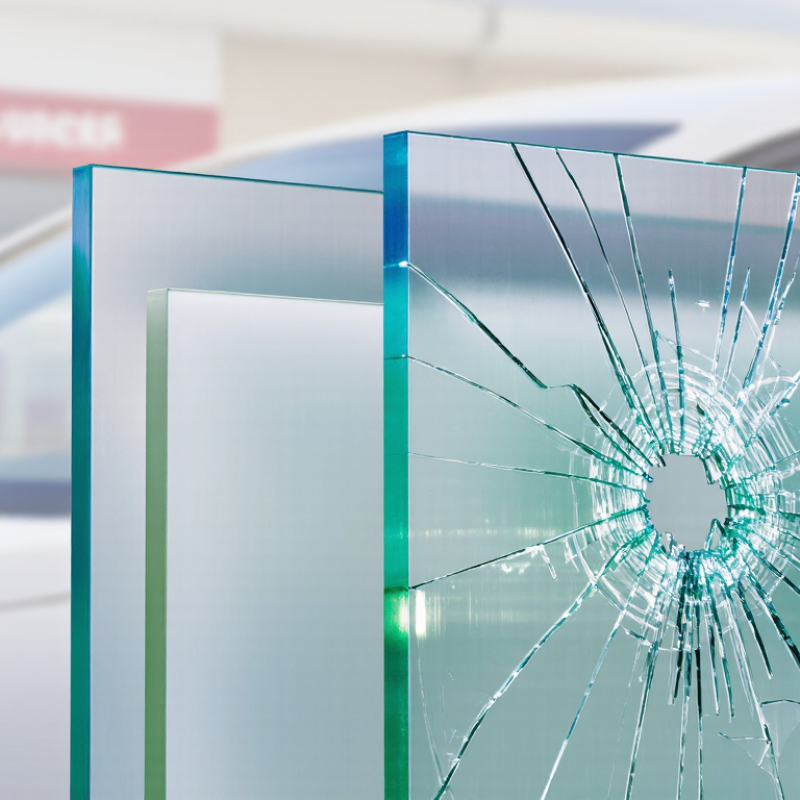
Laminated glass is made by bonding two or more glass sheets around a clear plastic interlayer. Heat and pressure help the layers adhere, creating one composite panel. The interlayer is commonly made from materials such as PVB or ionoplast. If the glass cracks, many fragments tend to remain attached to it. It is not unbreakable. Its performance depends on the glass thickness, interlayer type, and manufacturing quality.

The basic structure can be flat or curved. Bent Glass is shaped before or during processing, then laminated to suit a particular design. In a finished panel, the glass faces provide stiffness and a smooth surface, while the interlayer helps hold the assembly together. It can also reduce sound transmission, though results vary with the panel’s construction. A useful detail to check is the edge: exposed or poorly protected edges may be more vulnerable to moisture and damage. That part is easy to overlook.

Tips: Check the product specification for glass thickness, interlayer material, and intended use. For a project, confirm that the chosen panel fits the frame and installation conditions. Don’t assume every laminated panel offers the same safety or acoustic performance.

How Laminated Glass Is Manufactured

Laminated glass is made by bonding two or more sheets of glass around a clear plastic interlayer. Production begins with careful inspection and washing. Even a small speck of dust can become visible between the layers. The sheets are cut to size, their edges finished, then stacked with the interlayer, often made from PVB. The assembly is warmed and pressed to remove trapped air. It then enters an autoclave, where controlled heat and pressure create a firm bond. Exact settings depend on the glass, interlayer, and product design. The process needs close monitoring; a cloudy patch can signal a problem.

Tips: Ask how the glass is processed and checked for bubbles, edge defects, and clarity. For a Glass Door, confirm the finished panel suits its frame and intended use. Details matter.

After cooling, the panel is inspected for visual flaws and bonding consistency. Laminated glass can remain partly held together when cracked, because fragments tend to adhere to the interlayer. That does not make every panel equally safe; thickness, construction, and installation all matter. I would not judge quality by appearance alone. Small edge imperfections may be easy to miss, yet they deserve a closer look.

Materials Used in Its Interlayer

Materials Used in Its Interlayer

A laminated glass interlayer is the thin, flexible material bonded between glass sheets. Polyvinyl butyral, or PVB, is widely used because it helps hold broken pieces in place and can soften everyday noise. It is available in different thicknesses and finishes, including translucent options that diffuse light. Small detail. Big effect.

Other choices include ionoplast and ethylene-vinyl acetate, known as EVA. Ionoplast interlayers are often selected where added stiffness and resistance to moisture are important. EVA can suit certain designs and manufacturing processes, but performance depends on the full glass assembly. For a Glass Roof, designers also consider heat, sunlight, edge exposure, and the roof’s support system. These details affect durability as much as the interlayer itself.

No single material is best for every project. I would be cautious about choosing by name alone; thickness, installation, and tested performance matter. A sample may look clear indoors, yet feel different in strong daylight. Specifications should match the building’s conditions and applicable safety requirements.

Common PVB Interlayer Thickness Options

Laminated glass bonds two or more glass plies with a polymer interlayer. PVB is widely used; ionoplast and EVA are also used in specific applications. These are common nominal PVB sheet thicknesses, while the suitable interlayer material and thickness depend on the glass design and application.

Key Properties and Performance

Laminated glass consists of two or more glass sheets bonded around a clear plastic interlayer. If struck, the glass may crack, but many fragments remain attached to that layer. This can reduce the chance of loose shards falling into a room or onto a walkway. It is commonly used in vehicle windshields, overhead glazing, skylights, and places where people may contact the glass.

Its performance depends on the glass thickness, interlayer type, panel size, and installation. The interlayer can also soften some outside noise and filter much of the sun’s ultraviolet radiation. However, laminated glass is not unbreakable. A severe impact can still damage it, and a cracked panel may need prompt assessment. I have seen people assume a clear pane is automatically safer; appearance alone tells you very little.

Tips: Match the glass specification to the actual risk, such as overhead falling hazards or street noise. Ask a qualified glazing professional to check the frame and edge support too. Even strong glass can perform poorly when fitted badly. Don’t guess. The right choice sometimes costs more, and that trade-off deserves a careful look.

What Is Laminated Glass and What Is It Used For? - Key Properties and Performance
Property or Feature Typical Construction or Performance Practical Benefit Common Uses
Basic construction Two or more glass plies bonded with one or more transparent interlayers, commonly made from PVB, EVA, or ionoplast. The interlayer holds many fragments together if the glass cracks or breaks. Glazing where fragment retention or added protection is required.
Typical make-up A common example is 6.38 mm glass: two 3 mm glass plies with a 0.38 mm PVB interlayer. Other glass and interlayer thicknesses are available. Provides a recognizable reference size; the actual build-up is selected for the design and applicable requirements. Windows, doors, partitions, and overhead glazing, subject to project specifications.
Breakage behavior Cracked pieces generally remain attached to the interlayer, although the extent of retention depends on the glass, interlayer, impact, and installation. Can reduce the risk of falling shards compared with glazing that releases loose fragments. Canopies, skylights, roof glazing, and other locations where falling glass is a concern.
Safety performance Safety-glazing classification depends on the complete product and its test results, including glass thickness, interlayer, and construction. When tested and specified appropriately, it can meet applicable safety-glazing requirements. Doors, sidelites, low-level glazing, and other locations identified by building codes.
Impact and security resistance Resistance varies with the number and thickness of glass plies, interlayer type and thickness, framing, and installation. Laminated glass is not automatically bullet-resistant or forced-entry resistant. Specially designed and tested assemblies can delay penetration or remain in place after impact. Security glazing, protective screens, and selected storefront or public-building applications.
Sound control The interlayer can damp some vibration. Acoustic performance depends on the full glass make-up, glazing system, frame, and sound frequency. Acoustic laminated constructions may help reduce sound transmission compared with some ordinary glazing configurations. Building facades and windows in locations with traffic or other environmental noise.
Ultraviolet (UV) filtering Many laminated-glass constructions with PVB interlayers block a large share of UV radiation; actual transmission varies by interlayer and glass specification. Can help reduce UV exposure to interior furnishings and displayed materials. Shopfronts, museums, display cases, and sun-exposed interiors.
Weathering and durability Durability depends on the interlayer, edge protection, sealants, exposure, and quality of manufacture and installation. Correct specification and detailing help maintain appearance and performance over time. Exterior windows, facades, and other applications exposed to weather.
Optical appearance Clear laminated glass is typically transparent; tinted, patterned, or other specialty glass can also be laminated. Color and clarity depend on the materials used. Combines visibility or design choices with an interlayer-bonded construction. Architectural glazing, interior partitions, balustrades, and decorative panels.
Important design consideration Performance is determined by the complete tested assembly—not by the word “laminated” alone. Confirm glass build-up, support conditions, edge treatment, and local code requirements. Project-specific selection helps ensure the glazing suits its safety, structural, acoustic, and environmental demands. All applications, particularly overhead, security, and code-regulated glazing.

Common Applications Across Industries

Laminated glass sandwiches a clear plastic interlayer between glass sheets. If struck, many fragments remain attached to that layer. In vehicles, it is commonly used for windshields, where visibility and fragment retention matter. OICA recorded 93,546,599 motor vehicles produced worldwide in 2023, illustrating the scale of this application (2023 Production Statistics). The WHO reported 1.19 million road deaths in 2021; laminated glazing is one safety feature, not a substitute for restraints or careful driving.

In buildings, laminated panels appear in skylights, glass roofs, balustrades, shopfronts, and interior partitions. They can help keep broken pieces together after impact, which is useful above walkways or beside stairs. The result depends on glass thickness, interlayer type, support, and installation. Details matter. A panel is not automatically safe for every overhead or high-impact location.

Rail vehicles and marine settings also use laminated glazing for windows and partitions, where vibration, weather, and passenger safety shape material choices. Some laminates can reduce sound transmission, though performance varies with the full assembly. The U.S. National Highway Traffic Safety Administration’s Federal Motor Vehicle Safety Standard No. 205 sets requirements for vehicle glazing materials. It is a useful reference for automotive applications, but building and transit projects need their own specifications. Laminated glass can still crack, and damaged edges deserve attention.

Safety Benefits and Practical Limitations

Laminated glass is made from two or more panes bonded around a clear plastic interlayer. When struck, the glass may crack, but many fragments stay attached instead of scattering across a floor. That matters in skylights, doors, and low-level windows where falling shards could cause injury. The interlayer can also reduce some outside noise and block much ultraviolet light.

It is not unbreakable. A hard, repeated impact can damage the pane, and the glass may need replacement even if it remains in its frame. In practice, the frame and edge seals matter too: a poorly fitted unit may not perform as intended. Laminated glass is usually heavier and more costly than ordinary single-pane glass, so installation should account for both factors.

There is a practical trade-off. A laminated pane can preserve a barrier after cracking, but it may be harder to open or clear during an emergency. Glass Block can provide daylight and privacy, yet it is a different construction and does not automatically offer laminated glass’s fragment-retention behavior. Check the product specification and intended location rather than relying on appearance alone. Details count.

Factors to Consider When Choosing Laminated Glass

What Is Laminated Glass and What Is It Used For?

Factors to Consider When Choosing Laminated Glass

Start with the glass’s job, not its appearance. A ground-floor window beside a busy street may need different performance from an interior partition. Laminated glass holds fragments together when cracked, but it does not make every window unbreakable. That distinction matters.

Check the required thickness, number of glass layers, and interlayer type. These affect weight, impact resistance, sound reduction, and cost. For example, a bedroom facing traffic may benefit from a tested acoustic glass make-up. A large overhead panel needs careful structural assessment, not a guess based on its dimensions. Ask for performance data for the complete assembly, including its frame.

Consider sunlight, temperature, moisture, and edge exposure at the installation site. Some interlayers suit particular environmental conditions better than others, and exposed edges may need extra protection. Small details count. Also check that the existing frame can support the glass’s weight and thickness. A qualified glazing professional can review these details and applicable building requirements. I would not choose by thickness alone; it is an easy shortcut, but it can miss how the glass, frame, and installation work together. A sample may look clear in a showroom and appear different beside a window on a bright afternoon.

Choosing China-Manufactured Low-E Insulated Glass Units for Better Thermal Performance and Comfort

Choosing China-manufactured low-emissivity insulated glass units (IGUs) can help improve a building’s thermal performance without sacrificing natural light. A low-e coating reflects part of the heat that would otherwise pass through the glass, helping interiors stay more comfortable in both warm and cool conditions. An IGU typically consists of two or more glass panes separated by a spacer and sealed around an insulating cavity. Depending on the design, the cavity can contain air or an inert gas to support insulation.

When comparing units, consider the climate, building orientation, required light transmission, and the project’s energy-performance goals. The coating position, glass thickness, cavity width, spacer type, and quality of the edge seal can all influence how the unit performs. Well-made units from China can offer a range of configurations for residential and commercial projects, while careful manufacturing and quality checks help ensure dependable insulation and optical clarity. Selecting the right specification can reduce unwanted heat transfer, limit temperature differences near windows, and create a more comfortable indoor environment.

FAQS

What is laminated glass?

It has two or more glass panes bonded around a clear plastic interlayer. The layers stay connected.

What happens when laminated glass cracks?

Cracks may form, but many fragments remain attached to the interlayer instead of falling across the floor. It can still need replacement.

Where can laminated glass be useful?

It may suit skylights, doors, and low-level windows where falling shards could cause injury. Location matters.

Does laminated glass block noise and sunlight?

It can reduce some outside noise and block much ultraviolet light. Results depend on the glass construction.

Is laminated glass unbreakable?

No. Repeated hard impacts can damage it, even if it stays in its frame. It is a barrier, not a guarantee.

What should I check before choosing it?

Consider pane thickness, layer count, interlayer type, and the frame’s capacity. Ask for performance data for the complete assembly.

How do site conditions affect the choice?

Sunlight, temperature, moisture, and exposed edges can affect suitability. A sample may look different beside a bright window.

What practical trade-offs should I expect?

Laminated glass is usually heavier and more costly than single-pane glass. It may also be harder to open or clear during an emergency. I would not choose by thickness alone.

Conclusion

Laminated Glass is a safety glazing material made by bonding two or more layers of glass around a durable interlayer. It is manufactured by carefully assembling the layers and applying heat and pressure so they form a stable composite. Interlayers may use different polymers, selected according to the desired balance of clarity, strength, sound reduction, and other performance needs.

When damaged, the glass may crack while remaining attached to the interlayer, helping reduce falling shards and maintain a barrier. These properties make it useful in vehicles, buildings, skylights, partitions, and other settings where safety, security, or noise control matters. However, laminated glass can be heavier and more costly than ordinary glass, and its performance varies with its construction. Choosing the right product involves considering its intended application, required safety level, exposure conditions, thickness, appearance, and installation requirements.

Emily

Emily

Emily is a dedicated marketing professional with a profound understanding of the glass processing industry, drawing upon decades of experience to effectively communicate her company's technical innovations and reliable solutions. Her expertise allows her to navigate the complexities of product......
Previous How to Choose the Right Glass Roof for Your Project?