
Leave Your Message
0%

Picking the right glass roof isn't just about making a room look bright and pretty. Honestly, it's a bigger deal than that—you've got to think about the structure, the weather where you live, how comfy you'll feel, how much upkeep it'll need, and what it'll cost you in the long run. You know how a roof can look all sleek and nice in a showroom, but then under the summer sun, it's like sitting in an oven? Yeah, that's a real thing. The little details are what make or break it. Things like the type of glass, what the frame is made of, how steep the roof is, how water drains off it, and whether there's enough ventilation—these can totally change the whole experience.

James Carpenter, an architect who really knows his way around daylight, once called light “the material of architecture.” That idea hits the nail on the head here. A glass roof shouldn't just throw more sunlight at you—it should actually shape it carefully, like a sculptor. Sure, Low-E glass, solar-control coatings, and laminated safety glass can make things more comfy and secure. But here's the thing: no single setup works perfectly for every home or office building. Where your building faces makes a big difference. And honestly, local weather matters way more than most folks realize when they're picking a roof. So yeah, it's not one-size-fits-all.

Alright, so this guide is all about the seven key things to keep in mind when picking out a glass roof – and trust me, you'll feel way more confident after reading it. We're talking about thermal performance, how the structure holds up, managing water, cleaning access, your privacy, the quality of installation, and what the warranty actually covers. One thing I can't stress enough: get a qualified structural engineer to double-check that the roof can actually take the load it's supposed to. And have an experienced glazing contractor look at the joints and drainage paths before they start putting it together. Honestly, pretty drawings don't mean much if the workmanship isn't there – that's where the real performance comes from.

There's definitely room to think things through, you know? Like, sure, a bigger skylight lets in more light, but it can also mean more glare and crank up your cooling bills. And that cheapest quote you got? It might end up costing more once you factor in repairs. Even the pros don't always get it right—they might miss how your building actually works day to day. So here's a tip: always check samples in natural light, ask those tough questions, and double-check everything. In the long run, a smart pick tends to feel quieter, cooler, safer, and just more solid overall.
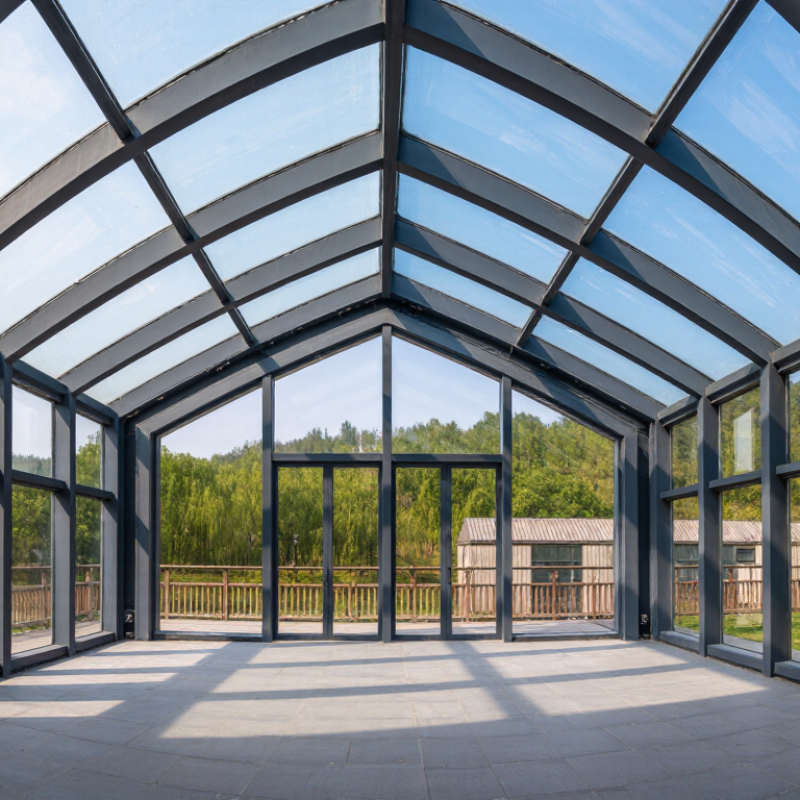
7 Tips for Choosing the Right Glass Roof?

Define the Purpose and Performance Needs of the Glass Roof

Choosing a glass roof begins with its purpose, not its appearance. Is it meant to bring daylight into a hallway, create a sheltered terrace, or support plants beneath controlled conditions? Each use demands different performance levels. A roof over a dining area may need glare control, while a conservatory may require stronger solar protection.

Define the environment carefully. Record local wind, snow, rain, temperature changes, and nearby trees before selecting the glass system. Bent Glass can suit curved designs, but its shape may affect cost, drainage, cleaning access, and replacement options. Ask a qualified structural engineer to verify load paths, frame strength, safety glazing, and connection details. Do not rely on visual symmetry alone.

Comfort matters as much as strength. Specify low-emissivity glazing when winter heat loss is a concern, and consider solar-control coatings for rooms facing south or west. Acoustic performance may matter near traffic or commercial areas. Condensation also deserves attention; poor ventilation can leave water marks along the frame. It happens more often than expected. I would also question maintenance plans early. A roof that looks impressive on installation day may become difficult to clean after a few seasons. Review warranties, inspection intervals, drainage channels, and access equipment with the installer, then compare those details against the building’s actual use.

Compare Glass Types, Coatings, and Light-Transmission Levels

Choosing the right glass roof starts with comparing glass types, coatings, and light-transmission levels.

Tip 1: Select laminated glass for overhead safety. It holds together after impact, reducing falling shards. Tempered glass is also strong, but it may break into small pieces. Ask a qualified installer about local structural requirements and roof pitch.

Tip 2: Compare clear, tinted, and diffused glass. Clear glass delivers the brightest daylight, yet it can create glare on polished floors. Tinted glass softens brightness and reduces solar heat. Diffused glass spreads light across a room, helping prevent sharp patches on furniture.

Tip 3: Check visible light transmission, or VLT. High VLT suits darker interiors. Lower VLT may feel more comfortable in sunny spaces. Numbers alone can mislead.

Tip 4: Consider low-emissivity coatings to control heat loss and heat gain.

Tip 5: Add solar-control coating where afternoon sunlight reaches the roof. It can reduce fading and overheating, though the room may appear slightly darker.

Tip 6: Review U-value and solar heat gain performance together. A glass panel can transmit light well but still make summer cooling difficult.

Tip 7: Inspect drainage, seals, and cleaning access before approving the design. Dust near roof joints becomes visible quickly. I once underestimated reflected glare beside a white wall; a small sample panel would have revealed it. Request samples under morning and afternoon light. Real conditions matter.

Check Structural Strength, Weight, and Roof Compatibility

Choosing a glass roof starts with structure, not appearance. An experienced survey should inspect rafters, beams, connections, and supporting walls. Ask a qualified structural engineer to calculate dead load, maintenance load, wind pressure, and local snow load. A large pane can weigh far more than expected. Even a nearby Glass Door may require stronger framing if the opening changes the load path. Do not trust timber that only feels solid. Hidden moisture can weaken it.

Glass selection must match the roof pitch and drainage design. Laminated safety glazing is often preferred overhead because it stays together after breakage. The frame must support each panel without twisting. Check thermal movement, gaskets, fasteners, and condensation control. A low-pitch roof may need deeper drainage channels and carefully sealed joints. Water finds small mistakes. I have seen a neat interior stain appear months after installation because flashing was treated as an afterthought. That lesson still deserves repeating.

Weight is only one compatibility test. Confirm that the roof can accept the panel size, frame depth, insulation build-up, and ventilation details. Older extensions often have uneven walls, so measure several points. Leave room for adjustment. Perfect drawings rarely meet imperfect buildings. Request written calculations, performance data, and installation tolerances before ordering. A site review after fitting can reveal loose trims, blocked outlets, or early condensation. Small signs matter.

7 Tips for Choosing the Right Glass Roof

Check structural strength, weight, roof compatibility, wind loads, snow loads, thermal performance, drainage, and safety glazing requirements before selecting a glass build-up.

Approximate glazing weight: Glass has a density of about 2.5 kg per square metre per millimetre of thickness. Laminated glass includes two glass panes plus an interlayer. These values are for preliminary comparison only; a qualified structural professional must verify the roof framing, supports, local wind and snow loads, and code compliance.

Evaluate Thermal Control, Energy Efficiency, and Ventilation

7 Tips for Choosing the Right Glass Roof

Evaluate Thermal Control, Energy Efficiency, and Ventilation

A glass roof should manage heat, not simply admit daylight. In summer, direct sun can turn a room into a greenhouse within minutes. Check the glass U-value and solar heat gain coefficient before comparing appearance. Lower heat transfer usually improves comfort, while suitable solar control limits overheating. Low-emissivity glazing can also reduce winter heat loss. However, performance depends on local climate and roof orientation.

Look closely at the roof’s direction. South- and west-facing glazing often needs external shading, blinds, or adjustable louvers. Fixed shading may block useful winter sunlight, so seasonal control deserves attention. Clear specifications matter. Ask for tested thermal data, not vague claims about “energy saving.” Frame materials, edge seals, and installation quality also affect results. Small gaps can create noticeable drafts and condensation.

Ventilation needs equal attention. Operable roof vents placed near the highest point can release rising warm air. Lower windows or wall vents then draw in cooler air naturally. Automated controls may respond to temperature, rain, and indoor air quality, but manual override remains useful. It can fail.

During inspection, check how easily vents open, how rainwater drains, and where maintenance access is located. A roof that saves energy on paper may perform poorly if filters, seals, or sensors are neglected. I would also review the design after one hot season. Real rooms often reveal glare, trapped heat, or noisy airflow that drawings miss.

Plan Waterproofing, Drainage, and Condensation Protection

Choosing the Right Glass Roof: 7 Tips for Waterproofing, Drainage, and Condensation Protection

A beautiful glass roof can fail when water has nowhere to go. Begin with the roof pitch, not the frame style. Even a shallow slope needs carefully planned drainage channels and visible outlets. During site inspections, I look for low points where leaves and grit may collect. These small blockages often create leaks before anyone notices them. Use continuous seals around every panel, joint, and wall connection. A Glass Block section also needs sealed edges and controlled movement allowances. Rigid connections can crack when temperatures change.

Condensation requires a separate plan. Warm indoor air may meet cold glass and form droplets before winter mornings begin. Specify insulated glazing, thermal breaks, and ventilation beneath the roof. A discreet air path can prevent damp timber and stained plaster. Check whether gutters can handle heavy rainfall, not only average weather. Downpipes should discharge safely away from foundations and exterior walls. Access matters too. If outlets cannot be cleaned, the design is incomplete. Keep inspection points reachable from a safe maintenance area.

Ask the installer for drainage details, sealant specifications, and a written maintenance schedule. Request water testing before interior finishes are installed. It is a simple step, yet it is often skipped. I would also question any design that depends on sealant alone. Sealants age, move, and sometimes fail earlier than expected. One imperfect detail can undermine an otherwise excellent roof. Review local rainfall, indoor humidity, and nearby trees before approving the final design.

Assess Safety Features, Maintenance Needs, and Access

7 Tips for Choosing the Right Glass Roof

A safe glass roof begins with the correct glazing specification, not its appearance. Float Glass may serve as a base material, but overhead panels usually need strengthened or laminated construction. Laminated glass helps hold fragments together if breakage occurs. Tempered glass offers impact resistance, yet it can fail suddenly under severe stress. Ask a qualified structural professional to check wind loads, snow loads, framing, and drainage. Request written performance data, installation details, and inspection records. Do not rely on a verbal promise.

Maintenance access deserves equal attention. Can someone safely reach the outer pane without standing on fragile glazing? A planned walkway, stable ladder point, or professionally designed anchor system can prevent risky improvisation. Check how cleaning tools will reach corners and whether falling water can drain away. Small leaves often block channels. Then leaks appear beside interior trim. It happens.

Inspect seals, gaskets, fasteners, and frame joints at least periodically, especially after storms or building movement. Look for clouding, cracked edges, loose caps, staining, and dripping near ceiling finishes. Safety equipment must suit the structure and be installed by competent specialists. I have seen attractive roofs become difficult to maintain because access was considered too late. The cheaper design may create higher cleaning and repair costs. Leave room for honest reassessment before approving the final drawing.

Set the Budget and Select a Qualified Installation Team

Set a realistic budget before comparing glass roof styles. Start with measurements, roof pitch, access, and the room’s intended use. A small extension may still require structural reinforcement, drainage changes, and specialized glazing. Ask for itemized estimates covering materials, labor, permits, insulation, flashing, scaffolding, and waste removal. Hidden costs matter. Keep a contingency of 10–15 percent for site surprises, such as rotten timbers or uneven masonry. On one renovation, a frame repair delayed installation by two weeks. That mistake taught me to inspect the existing structure before approving a design.

Choose an installation team with proven experience in glass roofing, not only general construction. Request evidence of relevant training, liability insurance, and completed projects similar to yours. Visit a finished project if possible. Look closely at the seals, gutters, internal finishes, and daylight control. Ask who will supervise the work and how defects will be handled. A professional team should explain ventilation, thermal performance, cleaning access, and safety considerations in clear language. Be cautious when answers remain vague.

Compare at least three detailed quotations. The lowest price is not always the best value. Confirm payment stages, timelines, warranties, and responsibilities in writing. I sometimes focus too much on appearance and overlook maintenance access. That deserves more attention. A beautiful roof becomes frustrating when condensation, dust, or difficult cleaning was never discussed. Take time to challenge assumptions, including your own.

FAQS

Which glass type is safest for an overhead roof?

Laminated glass holds together after impact, reducing dangerous falling shards. Tempered glass breaks into smaller pieces. Ask a qualified installer about roof pitch and structural requirements.

How do clear, tinted, and diffused glass differ?

Clear glass provides strong daylight but may create glare on polished floors. Tinted glass softens brightness and reduces solar heat. Diffused glass spreads light across furniture and walls.

What does visible light transmission mean?

Visible light transmission, or VLT, shows how much daylight passes through glass. High VLT suits darker rooms. Lower VLT often feels better in sunny rooms. Numbers alone can mislead.

Should a glass roof use special coatings?

Low-emissivity coatings can reduce winter heat loss and summer heat gain. Solar-control coatings help limit overheating and fading. The room may appear slightly darker.

Which thermal measurements deserve attention?

Review U-value and solar heat gain performance together. Lower heat transfer usually improves comfort. A bright panel can still make summer cooling difficult.

How does roof direction affect glass selection?

South- and west-facing roofs often need external shading, blinds, or adjustable louvers. Fixed shading may block useful winter sunlight. Seasonal control matters.

How can ventilation prevent a glass room from overheating?

Operable vents near the highest point release rising warm air. Lower windows or wall vents draw in cooler air. Automated controls can respond to temperature and rain. Manual override remains useful.

What should be checked before approving the roof design?

Inspect drainage, seals, cleaning access, vents, and maintenance areas. Check for small gaps, drafts, and condensation. Request sample panels under morning and afternoon light.

Can drawings predict the roof’s real performance?

Not completely. A real room may reveal glare, trapped heat, or noisy airflow. I once underestimated glare beside a white wall. A small sample would have exposed it. Review the design after one hot season.

Conclusion

Choosing the right Glass Roof begins with defining its purpose, such as improving daylight, creating a stronger connection with the outdoors, or enhancing the appearance of a building. Consider the required glass type, coating, and light-transmission level to achieve the desired balance between brightness, privacy, glare control, and solar heat reduction. The roof must also be structurally compatible with the building, with careful attention to its weight, strength, support system, and local weather conditions.

Thermal performance and ventilation are equally important for maintaining indoor comfort and energy efficiency. A reliable design should include effective waterproofing, drainage, and condensation protection to prevent leaks and moisture damage. Safety glass, accessible maintenance routes, and practical cleaning requirements should also be evaluated before installation. Finally, establish a realistic budget that includes materials, labor, maintenance, and possible structural upgrades, then choose a qualified installation team with proven technical experience to ensure the Glass Roof performs safely and reliably over time.


Charlotte

Charlotte

Charlotte is a seasoned marketing professional with a profound understanding of glass processing and product development in the construction industry. With years of experience at the forefront of technological innovation, Charlotte excels in articulating complex concepts in a relatable manner. She......
Previous Top Glazing Spacer Types for Global Buyers