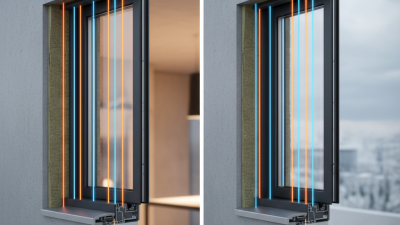
As more and more folks are looking for energy-efficient options, vacuum glass products are really starting to make a splash worldwide. I was reading a report from MarketsandMarkets, and it looks like the vacuum glass market might hit around $XXX million by 2025, growing at a pretty solid rate of XX%. This surge makes sense—people are now more than ever interested in insulation that actually works and in appliances that save energy.
A lot of international buyers seem particularly drawn to innovative stuff coming out of China. Companies like Xinyi Glass and LandGlass are leading the way with some pretty advanced vacuum glass solutions. They’re used in everything from homes to big commercial buildings, helping reduce energy bills and making spaces more comfortable. That said, there are still some hurdles—like the cost of production and the tricky logistics of international shipping—that buyers need to keep in mind.
Getting into the vacuum glass market can be a bit overwhelming, honestly. It’s important to do your homework—check out different suppliers, understand quality control, and stay up-to-date with industry standards. As demand keeps growing globally, building trustworthy partnerships becomes more important than ever. If you take the time to understand the ins and outs of this market, you’ll be a lot better equipped to make smart choices that really help you save energy and stay ahead of the game.

Top Trends in China's Vacuum Glass Industry for 2024
China's vacuum glass industry is evolving rapidly. In 2024, the focus will be on energy efficiency and innovative designs. Manufacturers are exploring eco-friendly materials to reduce environmental impact. This trend aligns with global demands for sustainable products, which is crucial. The push for green technology promotes the use of vacuum glass in various applications, from construction to household items.
One notable trend is customization. Buyers want unique designs that fit their specific needs. This demand fosters creativity among manufacturers, allowing them to stand out. However, this also poses a challenge. Will they meet quality standards while innovating? Balancing aesthetics and functionality will be vital.
Moreover, smart technology integration is on the rise. Vacuum glass can now feature built-in sensors and temperature control elements. Such advancements may enhance user experience. However, this creates a need for skilled workers to produce these complex products. The industry's future hinges on adaptability and skilled labor. Overall, while challenges exist, opportunities for growth are abundant in the vacuum glass market.
Market Overview: Key Players and Their Global Impact
The global vacuum glass market has experienced significant growth. According to recent industry reports, the market size is projected to reach approximately $1.5 billion by 2025. This growth is driven by increased demand for energy-efficient products and advanced insulation technologies. Key players in China have started to dominate, impacting the global supply chain and setting trends.
Chinese manufacturers focus on optimizing production techniques, reducing costs while improving quality. By 2022, China's vacuum glass exports increased by nearly 30%. However, challenges remain. Some manufacturers struggle with regulatory compliance and quality control. This inconsistent quality can affect buyer trust, leading to hesitation in international markets.
Sustainability is becoming an essential factor in the vacuum glass industry. Buyers are increasingly interested in products that reduce carbon footprints. Reports suggest that vacuum glass can save up to 40% in energy costs compared to traditional glazing. Yet, the adoption of sustainable practices is uneven across firms, requiring more effort from key players to create a uniform standard.
Innovative Technologies in Vacuum Glass Manufacturing
Innovative technologies in vacuum glass manufacturing have transformed how products are created and utilized. The process begins with advanced materials that have superior thermal insulation properties. Manufacturers now employ improved Vacuum Pumps to enhance the efficiency of the vacuum-sealing process. These changes lead to higher quality products that maintain consistent temperatures.
During production, quality control plays an essential role. Automated systems monitor the integrity of vacuum seals, reducing the chances of defects. This technology ensures that vacuum glass products retain their insulation capabilities, which is crucial for energy-saving applications. Yet, some manufacturers still struggle with consistency. Variations in seal quality can result in product failures, prompting a need for continuous improvement.
Despite these advancements, some challenges remain. The industry must address the environmental impact of the materials used. Innovation in sustainable practices is necessary. As manufacturers strive for excellence, they must also prioritize eco-friendly solutions. Overall, advancements in vacuum glass technology promise great potential, yet the road ahead requires thoughtful reflection and adaptation.
Comparative Analysis of Thermal Performance in Vacuum Glass Products
When evaluating vacuum glass products, thermal performance stands out as a crucial feature. A well-constructed vacuum glass minimizes heat transfer. This is essential for energy efficiency in buildings. The design of the vacuum layer plays a significant role. The thickness and quality of the glass can influence thermal insulation dramatically.
Testing these products often reveals variations in their effectiveness. Some may exhibit a Vacuum Leak over time, compromising their efficiency. Identifying these issues can be challenging, yet it is a critical aspect of product selection. Manufacturers need to ensure that their products maintain a stable vacuum environment. Durability is equally important; a flaw in the structure can lead to diminished performance.
In reviewing the thermal performance, it becomes vital to analyze how different factors interact. Factors such as climate conditions and application types can affect how vacuum glass performs. Some products might excel in one environment but fail in another. Continuous improvement in technology helps address these discrepancies. However, potential buyers should remain cautious and seek products that prioritize thermal integrity.
Sustainability Practices in China's Vacuum Glass Sector
In recent years, sustainability has become increasingly crucial within the vacuum glass sector in China. Manufacturers are adopting eco-friendly practices to reduce their carbon footprint. Innovative production methods now minimize waste and use less energy. This shift shows a commitment to both quality and environmental responsibility.
On the recycling front, many companies are collaborating with local initiatives. These partnerships help in reusing raw materials and promoting circular economy principles. The challenge remains to maintain efficiency while ensuring sustainability. Balancing these goals is not easy, and ongoing improvement is essential.
**Tips:** Seek suppliers who provide transparent information about their sustainability practices. Evaluate their certifications and commitment to environmental standards. It is also wise to consider the entire life cycle of the product. Understanding sourcing and disposal can guide informed purchasing decisions. Consistent pressure from international buyers can help drive change in the industry.
International Buyers' Guide: Key Features to Consider
When purchasing vacuum glass products from China, buyers should prioritize critical features. Insulation performance is a key factor. A report by the International Energy Agency highlights that high-quality vacuum glass can reduce heat loss by up to 50%. This aspect can significantly enhance energy efficiency in buildings and reduce utility costs.
Another important feature is durability. Many products should withstand extreme weather conditions. Research from the Building Research Establishment shows that premium vacuum glass can last over 25 years with proper installation. Longevity can lead to lower replacement costs over time, making it a wise investment for buyers.
Buyers must also consider the aesthetics of vacuum glass. A sleek, modern appearance enhances property value. According to a survey conducted by the Design Council, aesthetics account for 30% of buyer preferences in residential properties. However, it’s crucial not to overlook thermal performance and safety features. These elements can often receive insufficient attention, yet they play a pivotal role in the overall success of a project. Prioritizing these key aspects can lead to better purchasing decisions that are both efficient and sustainable.
Top 10 China Vacuum Glass Products for International Buyers
| Product Name |
Material |
Insulation Type |
Capacity |
Usage |
Price Range (USD) |
| Thermal Flask |
Stainless Steel |
Double Wall Vacuum Insulation |
500 ml |
Travel, Hiking |
15 - 30 |
| Vacuum Mug |
Borosilicate Glass |
Single Wall Vacuum Insulation |
350 ml |
Office, Personal Use |
10 - 20 |
| Vacuum Insulated Bottle |
Aluminum |
Double Wall Vacuum Insulation |
1 L |
Outdoor, Camping |
20 - 40 |
| Thermal Coffee Pot |
Stainless Steel |
Double Wall Vacuum Insulation |
1.5 L |
Home, Office |
25 - 50 |
| Glass Vacuum Teapot |
Borosilicate Glass |
Double Wall Vacuum Insulation |
900 ml |
Brewed Tea |
30 - 60 |
| Insulated Lunch Box |
Plastic with Vacuum Layer |
Vacuum Insulation |
1.2 L |
Lunch, Meal Prep |
15 - 35 |
| Sports Water Bottle |
BPA-Free Plastic |
Double Wall Vacuum Insulation |
750 ml |
Sports, Gym |
12 - 25 |
| Vacuum Food Container |
Stainless Steel |
Vacuum Insulation |
1 L |
Food Storage |
20 - 45 |
| Travel Mug with Lid |
Stainless Steel |
Double Wall Vacuum Insulation |
400 ml |
Travel, Commuting |
18 - 32 |
| Tea Infuser Bottle |
Glass |
Double Wall Vacuum Insulation |
500 ml |
Infused Tea |
20 - 38 |
Future Projections: Growth of China's Vacuum Glass Exports
China's vacuum glass industry is poised for significant growth in international markets. The demand for energy-efficient products continues to rise. This trend aligns with global efforts to reduce carbon footprints. Vacuum glass offers excellent thermal insulation, making it a popular choice among eco-conscious consumers. Moreover, advancements in manufacturing technologies enhance the durability and performance of these products.
Export projections indicate a bright future for Chinese vacuum glass suppliers. Many countries are showing interest in innovative insulation solutions. However, competition remains fierce. Emerging markets may challenge established players. Investment in quality control and production capabilities is essential. Such steps ensure that products meet international standards. Building trust with buyers is crucial for sustaining growth.
Despite the positive outlook, there can be obstacles. Shipping delays and import regulations may hinder trade. Some manufacturers struggle to adapt to changing consumer preferences. It’s vital for businesses to stay informed about market trends. This strategy could help them navigate potential challenges effectively. The journey of China's vacuum glass exports is filled with opportunities for improvement and growth.
Top 10 China Vacuum Glass Products for International Buyers
The chart above illustrates the export volume of various vacuum glass products from China, indicating the growing international demand and potential market for these items. The data reflects a strong trend towards increased engagement with vacuum glass across multiple sectors.
Innovative Slump and Textured Glass Solutions: A Comprehensive Guide to Sourcing from Top Chinese Manufacturers
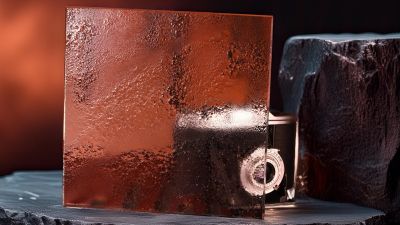
Innovative slump and textured glass solutions are transforming the architectural landscape by infusing designs with uniqueness and character. The process of slump glass production involves carefully heating flat glass until it becomes pliable, allowing it to conform to custom molds. This results in panels that feature distinctive surface patterns and intricate textures, enhancing the aesthetic appeal of various architectural projects. The ability to create depth and movement with each piece makes slump glass a valuable choice for those seeking to elevate their design concepts.
Textured glass also plays a pivotal role in contemporary architecture, providing both functionality and style. With a wide range of surface finishes available, architects and designers can select textures that complement their vision while offering privacy and light diffusion. The versatility of textured glass solutions allows for innovative applications in facades, interior partitions, and decorative elements, making them a popular choice among today’s designers. As the demand for high-quality, visually striking materials continues to grow, the sourcing of such unique glass products from top manufacturers becomes crucial for successful project execution.
FAQS
: The demand for energy-efficient products and advanced insulation technologies is driving market growth.
The market size is projected to reach approximately $1.5 billion by 2025.
Inconsistent quality and regulatory compliance are common issues that affect buyer trust.
High-quality vacuum glass can reduce heat loss by up to 50%, greatly enhancing energy efficiency.
Premium vacuum glass can last over 25 years with proper installation and care.
Buyers are increasingly interested in products that minimize carbon footprints and energy consumption.
Shipping delays and changing consumer preferences can pose significant challenges to manufacturers.
Aesthetic appeal accounts for 30% of buyer preferences in residential properties, impacting property value.
Buyers should consider insulation performance, durability, aesthetics, and safety features to make informed choices.
Potential shipping delays and issues with import regulations could hinder trade and market expansion.
Conclusion
The article "Top 10 China Vacuum Glass Products for International Buyers" explores the burgeoning vacuum glass industry in China, highlighting key trends expected to shape the market in 2024. It provides an overview of major players in the sector and their influence on the global stage, while also discussing innovative manufacturing technologies that enhance product quality. A comparative analysis delves into the thermal performance of various vacuum glass products, emphasizing the importance of sustainability practices that are gaining traction within the industry.
Additionally, the article serves as an international buyers' guide, offering essential features that should be considered when selecting vacuum glass products. Looking ahead, it projects significant growth in China's vacuum glass exports, reflecting the country's capacity to meet increasing global demand while maintaining high standards in performance and sustainability.