You might have heard that double glazing is shifting from being just a fancy upgrade to more of a must-have for energy efficiency. According to the International Energy Agency, in 2022, buildings used up around 30% of the world’s final energy, and they were responsible for roughly 26% of energy-related emissions. Windows, surprisingly, still tend to be a weak spot in many building shells—bad glazing can mean more heat escaping, condensation issues, and uncomfortable indoor spaces.
In this guide, we’ll take a look at ten major double glazing manufacturers that serve clients worldwide. We look at things like the range of products they offer, how well their windows perform thermally, glass configurations, certifications, production capacity, export experience, and how good their after-sales support is. Just because a company is big doesn’t automatically mean their products are better—sometimes a smaller, specialized firm can provide better customization or more responsive technical help—especially if you’re dealing with tricky climates or complex installations.
Performance is a big deal here, so it pays to do your homework. You want to check U-values, solar heat gain, sound insulation ratings, spacer designs, and how durable the seals are—these should all match what your project requires. Standards like ISO 10077, EN 1279, and NFRC testing procedures are useful benchmarks. Also, the U.S. Department of Energy points out that window performance depends a lot on both the product itself and how it’s installed, so don’t forget that!
Market estimates can be all over the place, too. Some reports focus only on the insulating glass units, while others consider entire window systems, including frames. That difference can really influence how you compare options, so it’s worth keeping in mind—no list of manufacturers can cover everything perfectly.
When choosing a manufacturer, you might see some well-known names like Saint-Gobain, AGC, NSG Group, Guardian Glass, Vitro, and Internorm. Their strengths and capabilities vary a lot depending on your region, climate, and procurement needs. Before sealing the deal, make sure to ask for up-to-date test reports, warranty info, sample specs, and confirmed delivery records. At the end of the day, good glazing isn’t just about clear glass—it’s about a whole system that boosts your building’s overall performance.
Definition and Scope of Double Glazing Manufacturing
Definition and Scope of Double Glazing Manufacturing
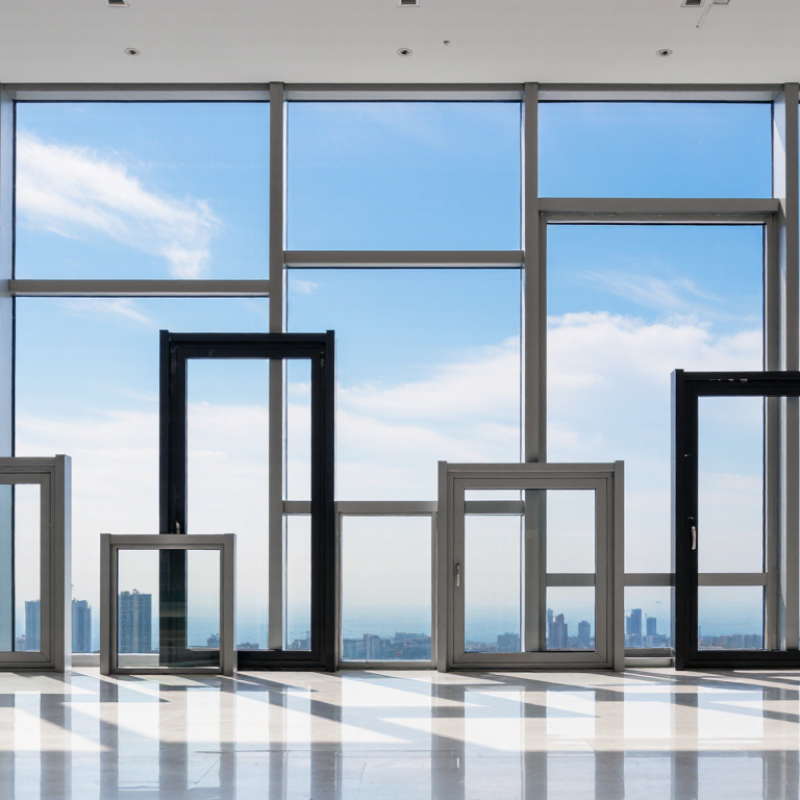
Double glazing manufacturing produces insulated glass units with two panes of glass. These panes are separated by a spacer and sealed around the edges. The sealed cavity usually contains dry air or an inert gas. Double Pane is a common term for this structure.
Manufacturing begins with accurate glass cutting and edge inspection. Workers may apply low-emissivity coatings to improve thermal performance. The glass can also be heat-treated for strength or laminated for added safety. Spacers may contain desiccant, which helps control moisture inside the unit. A small seal failure can create fogging between the panes.
The manufacturing scope extends beyond glass assembly. It includes frame compatibility, drainage details, performance testing, packaging, and export documentation. Experienced producers check dimensions carefully because a two-millimeter error can prevent proper installation. They also assess solar gain, sound reduction, wind pressure, and local climate conditions. A cold northern project may need different glass from a bright coastal building.
Reliable production requires traceable materials and repeatable sealing processes. Buyers should request test reports, glass specifications, warranty conditions, and installation guidance. Standards vary between markets, so a certificate from one region may not satisfy another. This point is often overlooked. Even an excellent unit can perform poorly when the frame, sealant, or installation method is unsuitable. Manufacturers therefore need technical communication, not only attractive product samples.
Key Criteria for Evaluating Global Manufacturers
Global buyers should evaluate double glazing manufacturers by more than quoted price. Check whether product data includes whole-window U-values, air leakage, water resistance, and sound reduction, with test methods clearly identified. A center-of-glass figure alone can make performance look better than the finished unit delivers. Ask for reports tied to the exact frame, spacer, glass, and hardware combination you plan to order.
Manufacturing consistency matters. Request details on glass thickness tolerances, sealed-unit inspection, and batch traceability. A Glazing Bead that fits poorly can affect both appearance and the unit’s resistance to moisture; ask how fit is checked during production. Sample units help, but inspect them in daylight and after handling, not only in a showroom. Small scratches show up fast.
Also compare practical support: replacement-part availability, packaging for long-distance shipping, installation guidance, and response times for technical questions. Confirm that documentation can be supplied in the languages and formats your project team needs. A polished catalogue is not proof of reliable delivery. Sometimes the evidence is incomplete. That deserves a follow-up, not an assumption. One useful test is to ask the manufacturer to explain a likely failure scenario and describe the inspection steps used to prevent it. Their answer should be specific, consistent, and easy to verify.
Top 10 Double Glazing Manufacturers for Global Buyers — Key Criteria for Evaluating Global Manufacturers
| No. |
Evaluation Criterion |
What to Verify |
Questions for Buyers |
| 1 |
Product Standards and Compliance |
Check that product declarations and test reports match the destination market. Relevant frameworks can include EN 1279 for insulating glass units in Europe and applicable local building regulations. |
Which standards apply to the exact product and market? Can current test reports and declarations be supplied? |
| 2 |
Thermal Performance |
Compare the declared whole-window U-factor or U-value, not just the center-of-glass value. Performance depends on the glazing, frame, spacer, and window configuration. |
Are values independently calculated or tested for the proposed complete window system? |
| 3 |
Solar and Light Transmission |
Review solar heat gain or g-value alongside visible light transmittance. These properties vary with glass type, coatings, thickness, and unit configuration. |
Can the supplier provide performance data for the precise glass build-up being quoted? |
| 4 |
Acoustic Performance |
Look for a sound reduction rating, such as Rw or the applicable local equivalent, supported by test data for the specified glazing assembly. |
Does the tested assembly match the proposed glass thicknesses, cavity, and installation details? |
| 5 |
Safety and Security Glass |
Confirm whether tempered or laminated safety glass is required for the location and application. Requirements depend on local codes and the risk of human impact. |
Can the supplier identify the glass type and provide relevant conformity or test documentation? |
| 6 |
Manufacturing Quality Control |
Review documented inspection procedures, traceability, non-conformance handling, and any current quality-management certification, such as ISO 9001. |
Can the supplier share its inspection plan, sample records, and certification scope? |
| 7 |
Capacity and Lead Time |
Assess production capacity, order-size flexibility, peak-season lead times, and the supplier's ability to maintain agreed delivery schedules. |
Are quoted lead times based on current capacity and confirmed production slots? |
| 8 |
Customization and Technical Support |
Evaluate available sizes, glass combinations, coatings, spacer options, drawings, and support with product selection and project documentation. |
Can the supplier review project specifications and confirm compatibility before production? |
| 9 |
Packaging and International Logistics |
Check export packaging, handling instructions, loading plans, shipping terms, and procedures for reporting and resolving transit damage. |
How are units protected, inspected before dispatch, and documented for international shipment? |
| 10 |
Warranty and After-Sales Support |
Review written warranty terms, exclusions, claim timelines, spare or replacement arrangements, and availability of technical support across time zones. |
What evidence is needed for a claim, and who handles issues after delivery? |
This buyer-focused comparison framework lists evaluation criteria rather than ranking or identifying individual manufacturers. Applicable standards and performance requirements vary by product and destination market.
Leading Double Glazing Manufacturers by Market Reach
For global buyers, market reach is more than a map of sales offices. It shows whether a double glazing manufacturer can support projects across different climates, building styles, and supply chains. A company serving several regions may offer established export routines, regional technical teams, and access to replacement components. Reach matters.
Look beyond the number of countries listed on a website. Ask how products are packed for long-distance transport, what lead times apply, and whether local partners can help with installation questions. A sample frame, clear glass specifications, and documented performance data are useful signs of practical support. Details matter. A broad sales network alone does not guarantee consistent quality or responsive service.
The strongest manufacturers for international buyers tend to combine wide distribution with dependable technical communication. Check whether product information explains thermal performance, acoustic options, frame materials, and maintenance needs in terms your project team can verify. Confirm that stated certifications apply to the intended destination and product configuration. This step can be easy to overlook. Market reach also changes over time, so request current delivery estimates and references from comparable projects. A supplier that answers precisely, even when the answer is inconvenient, may be more dependable than one promising everything.
Product Types, Materials, and Glazing Technologies
Double glazing is not one fixed product. Global buyers should compare frame materials, glass build-ups, and the conditions each unit must handle. uPVC frames need little routine upkeep, while aluminium offers slim sightlines and strong support for larger panes. Timber can provide a warm interior finish, but its coating and moisture protection deserve close attention. Each material has trade-offs.
Glass options change comfort and performance. Low-emissivity coatings help reduce heat transfer, while argon-filled cavities can improve insulation when the unit is properly sealed. Acoustic laminated glass may soften traffic noise, though results depend on glass thickness, cavity width, and installation quality. Ask manufacturers for test data, not just broad performance claims. Details matter.
Spacer design also affects the edge of the unit. A well-selected Glazing Spacer can limit heat loss around the glass perimeter and help reduce condensation risk. Buyers should check whether spacer materials, sealants, and glass thickness suit the intended climate and window system. A specification that works in a mild coastal setting may disappoint in a cold inland project. Even careful selection cannot compensate for poor fitting; installation tolerances are easy to underestimate.
Quality Standards, Certifications, and Production Capacity
For global buyers comparing double glazing manufacturers, certifications are useful only when they match the destination market. In Europe, EN 1279 covers insulating glass units, including durability testing; EN 14351-1 addresses window product performance. North American projects commonly check NFRC-rated U-factor and solar heat gain coefficient. Ask for current certificates, test reports, and the exact product configuration. A certificate for one spacer, coating, or frame does not automatically cover another. Small detail. Big difference.
Production capacity needs evidence beyond a factory’s headline output. Request monthly capacity by glass thickness, coating, and unit size, then compare it with recent delivery records. Check whether the manufacturer controls tempering, sealing, and quality inspections in-house. The IEA’s 2023 Buildings report estimates that buildings account for about 30% of global final energy consumption, making verified thermal performance commercially important. Still, a low U-factor on paper can disappoint if edge seals fail or tolerances drift. Ask how batches are traced and how defects are handled. Real records matter more than polished brochures. Even these checks cannot predict every shipping delay, and buyers should allow room for imperfect schedules.
International Sourcing, Pricing, and Delivery Considerations
Global sourcing for double glazing requires more than comparing unit prices. Buyers should confirm glass specifications, frame materials, hardware, and tested performance before requesting quotes. Triple Glazing can improve insulation, but its added weight may require stronger frames and careful handling. Check whether the supplier can provide consistent production records and clear packaging details. A low quote can become expensive when damage, storage, or replacement parts are overlooked.
Tips: Request a sample specification sheet. Confirm crate dimensions, shipping terms, and who handles insurance. Ask for a realistic production window, not just the fastest estimate. Small details matter.
Delivery planning should account for customs paperwork, port delays, and the time needed to move bulky units to the installation site. Get written confirmation of quantities, tolerances, and inspection steps before production begins. For long-distance orders, agree on how broken glass or incorrect dimensions will be documented and resolved. Keep a buffer in the schedule. It may feel cautious, perhaps even excessive, but a shipment rarely arrives under perfect conditions. Compare total landed cost rather than unit price alone, and verify that local installers can work with the selected system.
China Security Glass Suppliers: Anti-Burglary & Bullet-Resistant Glazing Insights from GVR and MarketsandMarkets Reports
China’s security glass market is gaining attention as architects, developers, and facility managers place greater emphasis on protecting people, property, and valuable interiors. Industry research from leading market-analysis organizations highlights rising demand for anti-burglar and bullet-resistant glazing in luxury retail façades, commercial buildings, transport hubs, and public facilities. These systems combine high-performance protection with clear visibility, refined appearance, and compatibility with contemporary architectural designs.
Anti-burglar glass is engineered to resist repeated impacts from common hand tools, including hammers, axes, and crowbars. Its laminated structure helps absorb impact energy, maintain panel integrity, and delay forced entry, giving security teams additional response time. For projects requiring stronger defensive performance, bullet-resistant glass uses multiple laminated layers and specialized interlayers to absorb and disperse projectile energy while reducing the risk of dangerous fragmentation. Configurations can be tailored to different threat levels, dimensions, framing systems, and optical requirements.
As an experienced Chinese supplier and factory, we provide security glazing solutions for demanding building environments. Our technical team supports material selection, thickness planning, edge protection, installation coordination, and project-specific performance requirements, helping customers create safer façades without compromising transparency or architectural quality.
FAQS
Wider reach may mean established export routines, regional technical support, and easier access to replacement components. It does not guarantee consistent quality.
Ask about packaging, lead times, installation support, and references from similar projects. A sample frame can reveal useful details.
Confirm glass specifications, frame materials, hardware, and tested performance. Clear records matter.
Yes, it can improve insulation. Its extra weight may require stronger frames and careful handling.
Look for precise answers about thermal performance, acoustic options, maintenance, and destination-specific certifications. Vague promises deserve a second look.
Confirm crate dimensions, shipping terms, insurance responsibilities, quantities, tolerances, and inspection steps in writing.
Shipping, storage, damage, customs delays, and replacement parts can raise the final cost. A cheap quote may not stay cheap.
Agree in advance on how problems will be documented and resolved. Keep schedule room for delays; shipments rarely arrive under perfect conditions.
Conclusion
This guide explores the global Double Glazing manufacturing landscape, defining the products and processes involved and explaining what buyers should assess when comparing suppliers. It considers market reach, manufacturing experience, product range, technical support, and the ability to serve different project requirements. Buyers will also find an overview of common frame materials, glass configurations, and glazing technologies, along with how these choices can affect performance, durability, and cost.
The article also outlines how to evaluate quality systems, relevant certifications, and production capacity without relying on a single factor. For international sourcing, it highlights practical considerations such as quotation details, customization, lead times, shipping arrangements, and communication throughout the order process. Together, these points offer a structured approach to identifying manufacturers that match a project’s specifications, budget, and delivery needs.