Leave Your Message
0%

Annealed Glass is still a pretty big deal in construction, automotive, furniture, and interiors around the world. It's made by cooling slowly after forming, which cuts down internal stress and makes it easier to cut. What it doesn't give you is tempered glass's impact resistance. And yeah, that difference actually matters.

Grand View Research says the global flat glass market hit about USD 145.7 billion in 2023. They expect a CAGR of roughly 7.9% from 2024 to 2030. The report ties that growth to urban construction, energy-efficient buildings, and vehicle production. So demand for Annealed Glass should keep humming along—especially for standard windows, partitions, tabletops, and processed glass parts. That said, market numbers can vary a lot depending on who's doing the math. Before you trust any ranking, check the methodology, regional coverage, and how they define the product.

Dr. James E. Shelby, who's written some of the most respected stuff on glass science, calls glass “a solid that has no long-range order.” It's a neat, simple way to see why production quality still matters so much. Big global suppliers include AGC, Saint-Gobain, NSG Group, Guardian Glass, Vitro Architectural Glass, Taiwan Glass, and CSG Holding. But they're not all the same—they differ in float production, thickness ranges, coating options, fabrication networks, and how reliably they deliver. When you're actually sourcing, a clean warehouse, protected edges, tight thickness control, and consistent certificates can matter just as much as a famous brand. A supplier might look great online and then drop the ball on a rush regional order. So you still have to verify carefully. That's the not-so-comfy truth.
Top Annealed Glass Manufacturers and Suppliers Worldwide

Annealed Glass: Definition, Properties, and Common Applications

Annealed glass is ordinary glass cooled gradually after forming. This controlled cooling reduces internal stress and supports clean, accurate cutting. It remains clear, smooth, and widely available in many thicknesses. However, it is not safety glass. When struck, it can break into large, sharp pieces.

Its useful properties include good light transmission, stable appearance, and simple processing. Fabricators can cut, drill, polish, or edge it before installation. Annealed glass suits picture frames, interior partitions, cabinet doors, greenhouse panels, and low-risk window areas. It also works as a base material for Bent Glass, which is heated and shaped into curved forms. Curved panels need careful inspection because small optical distortions may become visible near reflected light.

Real projects require more than a clear sample. Buyers should confirm thickness, dimensions, edge treatment, surface quality, and heat-resistance requirements with qualified suppliers. A supplier with documented testing and consistent production records offers stronger reliability. Installation details matter too. Uneven supports, tight frames, or sudden temperature changes can increase breakage risk. A small mistake matters. Annealed glass is not automatically suitable for doors, railings, shower enclosures, or other impact-prone locations. In those settings, professional assessment may indicate a safer glass type. Even experienced teams should review local building requirements and the conditions around each opening.

How Annealed Glass Is Manufactured and Processed

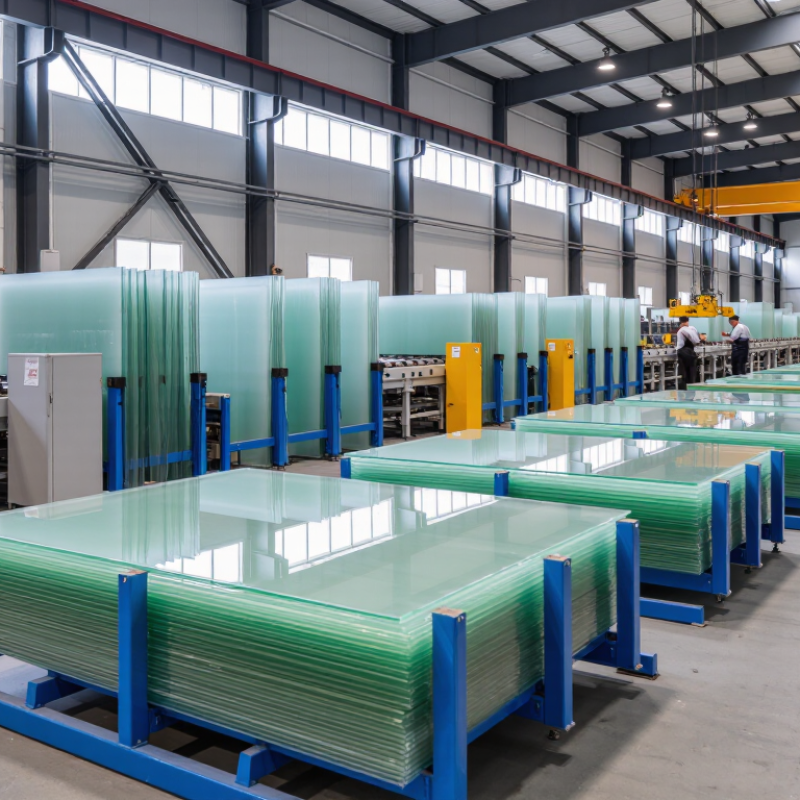
Annealed glass starts with silica sand, soda ash, limestone, and carefully measured additives. The raw batch melts in a furnace near 1,500°C. On a float line, molten glass spreads across liquid tin, creating a smooth, even sheet. It then moves through an annealing lehr, where controlled cooling reduces internal stress. This stage is essential. Cooling too quickly can leave hidden weaknesses.

After annealing, fabricators cut the sheet to size and may polish edges, drill holes, or wash the surface. A Glass Door often requires accurate measurements around hinges, handles, and frames. Operators inspect for bubbles, scratches, edge chips, and uneven thickness. Annealed glass is easy to process, but it breaks into large, sharp pieces rather than small blunt fragments. Therefore, its use must match local safety requirements and the building’s function. The process sounds exact. In practice, small defects can still escape attention.

Tips: Keep glass supported vertically during storage. Use clean gloves to prevent oily marks. Check edges before installation. Do not assume a flawless surface means flawless strength. For demanding projects, request documented thickness checks, dimensional records, and inspection results from the supplier. Proper handling protects the material before it reaches the site.

Key Standards for Evaluating Annealed Glass Quality

Annealed glass quality begins with consistent manufacturing, not a polished sales brochure. ASTM C1036-22 evaluates flat glass through thickness, size, flatness, and visual quality requirements. EN 572-1 also defines basic characteristics for building glass. Inspectors should check edge damage, bubbles, scratches, stones, and uneven surfaces under controlled lighting. A small edge chip can expand after installation, especially beside a frame or drilled opening.

Measurement matters. Use calibrated calipers, straightedges, and light transmission checks. Record thickness at several points, because one reading can hide variation. Optical distortion becomes obvious across a long Glass Roof, where reflected lines may appear bent or broken. The 2023 Global Status Report for Buildings and Construction, published by the International Energy Agency and the United Nations Environment Programme, reports that buildings consume about 30% of global final energy. This supports careful glazing selection, although annealed glass alone cannot deliver high thermal performance. I may be too cautious here; visible clarity does not prove long-term durability.

Tips: Request batch certificates, inspection photographs, and test results before delivery. Compare them with ASTM C1036 or EN 572-1 requirements. Check markings against the purchase specification. Do not accept “clear enough” as a technical grade. Also inspect packaging: wet cartons, loose separators, and exposed edges often create avoidable damage during transport. Superb paperwork cannot repair a scratched pane.

Leading Annealed Glass Manufacturers by Global Region

Leading annealed glass manufacturers are concentrated in Asia, Europe, North America, and the Middle East. Asia remains the largest production center, supported by strong construction demand and extensive float-glass capacity. Industry estimates place China above half of global flat-glass output, although reporting methods differ. That difference matters.

Manufacturers in Europe compete through tighter quality control, low-emission production, and advanced coating compatibility. Eurostat data shows construction remains a major industrial activity across the European Union, sustaining demand for clear and low-iron annealed glass. North American suppliers focus on certified thickness control, cutting accuracy, and reliable regional distribution. ASTM C1036 remains a key reference for basic flat-glass quality in the United States.

The Middle East is expanding as a regional supply base, supported by large commercial and residential projects. Africa has fewer primary producers, so import logistics and container availability strongly affect pricing. The International Energy Agency reports that buildings consumed about 30% of global energy in 2022, increasing pressure for better-performing glazing systems. Annealed glass alone cannot meet every efficiency target, yet it remains essential for laminated, insulated, and processed glass products. Supplier selection should examine furnace stability, thickness tolerance, optical distortion, batch traceability, and delivery records. Reports are useful, but they can oversimplify regional capacity. On-site audits still reveal more.

Top Annealed Glass Manufacturers and Suppliers Worldwide - Leading Annealed Glass Manufacturers by Global Region

Global Region Representative Production Markets Common Product Range Typical Thicknesses Applicable Product Standards Primary Downstream Applications Regional Supply Characteristics
East Asia China, Japan, South Korea and Taiwan Clear float glass, ultra-clear glass, tinted glass, patterned glass and coated glass substrates 2–19 mm for architectural and general industrial use; thicker sizes are available for selected projects ISO 16293 ASTM C1036 JIS R 3202 Construction glazing, windows, doors, furniture, solar-panel covers, mirrors, automotive components and appliances Large float-glass production base, extensive export infrastructure, broad thickness availability and strong downstream processing capacity
South Asia India, Bangladesh, Pakistan and Sri Lanka Clear and tinted float glass, sheet glass, patterned glass and basic processed annealed glass 3–12 mm is widely used; 4–6 mm is common for residential and commercial glazing ISO 16293 ASTM C1036 IS 14900 Residential construction, commercial buildings, interior partitions, furniture, mirrors and transport-related glazing Demand is closely linked to urban construction and infrastructure development; regional supply includes both domestic production and imported jumbo sheets
Southeast Asia Vietnam, Thailand, Indonesia, Malaysia, Singapore and the Philippines Clear float glass, body-tinted glass, reflective or coated glass and cut-to-size annealed sheets 3–15 mm for building and interior applications; larger sizes are supplied for façade projects ISO 16293 ASTM C1036 EN 572 High-rise construction, façades, shopfronts, residential windows, interior design, furniture and solar-energy projects Strategic location for regional shipping, growing construction demand and strong glass-processing activity near major ports
Europe Germany, Italy, Spain, France, Poland, Belgium, Türkiye and the United Kingdom Low-iron glass, low-emissivity coated substrates, clear float glass, tinted glass and specialty architectural glass 3–19 mm for standard architectural supply; laminated and insulating-glass processors commonly use 4–12 mm panes EN 572-1 EN 572-2 EN 1096 CE marking Energy-efficient windows, curtain walls, façades, interior partitions, transport, appliances and renewable-energy systems Highly standardized market with strong emphasis on energy performance, optical quality, traceability and recycled cullet utilization
North America United States, Canada and Mexico Clear float glass, low-iron glass, tinted glass, coated glass and fabricated annealed glass for architectural and industrial use 3–19 mm is common; 4, 5, 6 and 10 mm are frequently specified in building projects ASTM C1036 ASTM C1048 ANSI Z97.1 IGCC requirements Commercial and residential glazing, storefronts, mirrors, furniture, appliances, transportation and insulating-glass units Well-developed distribution network, standardized architectural specifications and significant demand for energy-efficient glazing systems
Latin America Brazil, Mexico, Argentina, Colombia, Chile and Peru Clear float glass, tinted glass, patterned glass, coated glass and fabricated annealed panels 3–12 mm is widely used; 4–6 mm is common in residential and commercial applications ISO 16293 ASTM C1036 ABNT NBR 7199 Residential construction, façades, commercial interiors, furniture, mirrors, automotive replacement glazing and solar projects Supply is concentrated around major construction markets and port regions, with a combination of local manufacturing and imported products
Middle East Saudi Arabia, United Arab Emirates, Qatar, Oman, Israel and Jordan Clear float glass, solar-control tinted glass, reflective glass, low-iron glass and façade-grade annealed substrates 4–19 mm for façades and architectural systems; 6–12 mm is common for large glazed elevations ASTM C1036 EN 572 EN 1096 ISO 16293 High-rise façades, curtain walls, hotels, airports, retail buildings, interior design and solar-energy installations Strong project-based demand, high use of solar-control products and extensive distribution through major Gulf logistics hubs
Africa Egypt, South Africa, Morocco, Algeria, Kenya and Nigeria Clear float glass, tinted glass, patterned glass and basic coated or fabricated annealed glass 3–12 mm for general building use; 4–6 mm is widely used for windows, doors and interiors ISO 16293 ASTM C1036 EN 572 Residential and commercial buildings, shopfronts, partitions, furniture, mirrors, transport and infrastructure projects Market supply varies by country; coastal and regional hubs support imports, while selected markets maintain local float-glass and processing capacity
Oceania Australia and New Zealand Clear float glass, low-emissivity glass, tinted glass, laminated-glass components and fabricated annealed panes 3–12 mm is common for standard glazing; project specifications may require thicker panes or laminated assemblies AS 1288 AS/NZS 4666 ISO 16293 Residential windows, commercial façades, doors, balustrades, interior partitions and energy-efficient building envelopes Strong building-code compliance requirements, high use of imported float glass and established local cutting, coating and insulating-glass operations

Major Annealed Glass Suppliers and Distribution Channels

Major Annealed Glass Suppliers and Distribution Channels

Annealed glass suppliers serve construction, furniture, interior, and glazing markets worldwide. Major producers typically operate large float-glass lines with controlled cooling systems. This process reduces internal stress and supports consistent cutting performance. Experienced buyers should request thickness tolerances, optical quality data, and batch traceability before placing orders.

Direct purchasing from manufacturers often suits large projects and repeat buyers. It can provide stable specifications, technical support, and better control over production schedules. Regional distributors offer smaller quantities and faster delivery. Many keep common sizes in warehouses near building markets. Glass processors and fabricators form another important channel. They can provide cut-to-size sheets, edgework, drilling, and protective packaging.

Distribution quality depends on more than price. Reliable suppliers use wooden crates, moisture-resistant separators, and clear handling labels. Buyers should inspect corners, surfaces, and crate conditions upon arrival. Certificates should match the shipment, not just a general product brochure. Some suppliers communicate quickly but provide weak after-sales documentation. That gap can create costly misunderstandings. Delivery dates also change when ports, weather, or raw material shortages affect logistics. A practical purchasing plan includes buffer time and written acceptance criteria. Samples help, although a small sample cannot reveal every production variation. Regular supplier reviews remain useful, especially when projects involve different climates or long-distance transport.

Factors for Comparing Annealed Glass Manufacturers and Suppliers

Comparing annealed glass manufacturers requires more than checking price lists. Start with product consistency. Ask for thickness tolerances, optical quality records, edge-finish options, and test certificates. ASTM C1036 and EN 572 provide useful reference points for flat glass quality. A reliable supplier should explain how it controls furnace temperature, cutting accuracy, packing, and breakage during transport.

Energy performance also matters. The 2023 Global Status Report for Buildings and Construction reported that buildings used about 34% of global energy and produced 37% of energy- and process-related carbon emissions in 2022. Annealed glass is not automatically energy efficient, so compare solar-control options, coating compatibility, and documented U-values. For projects using Glass Block, request separate data on light transmission, dimensional tolerance, mortar compatibility, and installation guidance. Experience shows that a beautiful sample may hide inconsistent batches. That deserves scrutiny.

Tips: Request three recent test reports, not one. Check production capacity against your delivery schedule. Ask how rejected panels are handled. Review recycled-content claims carefully, because definitions vary between suppliers. ISO 9001 certification can support process confidence, but it cannot replace physical inspection. A low quote may still become expensive after delays, scratched surfaces, or poor crating. I would also order a small sample batch before approving a large shipment. Suppliers sometimes communicate well before payment, then respond slowly when defects appear. That risk is easy to overlook.

Top Annealed Glass Manufacturers and Suppliers Worldwide — Factors for Comparing Annealed Glass Manufacturers and Suppliers

Reference comparison of common annealed-glass thicknesses using standard glass density. Areal mass is calculated at approximately 2.5 kg per m² per millimetre of thickness.

Thickness, weight, dimensional tolerance, optical quality, flatness, safety compliance, packaging, lead time, and logistics capability are key factors when comparing annealed-glass suppliers. The chart shows the expected areal mass for standard thicknesses from 4 mm to 12 mm, calculated from the typical density of soda-lime-silicate glass of approximately 2,500 kg/m³. Actual product values may vary slightly according to composition and manufacturing tolerance.

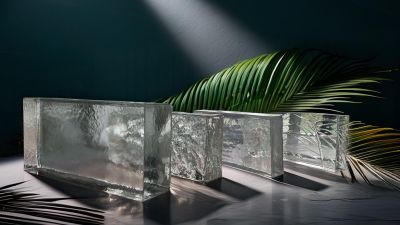
K9 Cast Crystal Glass: Quality, Applications, and Factory Advantages for Architectural Brilliance

K9 cast crystal glass combines refined visual quality with dependable structural performance, offering architects a distinctive material for contemporary building design. Its high clarity, luminous depth, and carefully controlled surface finish can create striking effects when illuminated by natural or artificial light. At the same time, its strength and dimensional stability support demanding architectural applications where appearance and durability must work together.

This specialized glass is suitable for feature walls, entrance halls, stair panels, partitions, façades, decorative screens, and focal elements in skyscrapers, institutional buildings, residences, hotels, and large infrastructure projects. Designers can use cast crystal sections to introduce texture, transparency, and sculptural character without relying on conventional decorative materials. Custom dimensions, patterns, thicknesses, and finishing options also allow the material to adapt to different concepts and project requirements.

A professional factory provides advantages through controlled casting, precise shaping, strict quality inspection, and consistent batch production. Integrated manufacturing capabilities help reduce material waste, shorten lead times, and support dependable delivery for projects in China and international markets. Factory-based technical cooperation can also assist with design development, installation planning, packaging, and performance coordination, helping developers achieve ambitious architectural results while improving resource efficiency and reducing the environmental impact associated with construction.

FAQS

What is annealed glass?

Annealed glass is cooled gradually after forming. This process reduces internal stress and supports accurate cutting.

Is annealed glass safety glass?

No. It can break into large, sharp pieces after impact. Use professional advice for high-risk locations.

Where is annealed glass commonly used?

Common uses include picture frames, cabinet doors, interior partitions, greenhouse panels, and low-risk windows.

Can annealed glass be processed before installation?

Yes. Fabricators can cut, drill, polish, or finish its edges before installation.

What should buyers check before ordering annealed glass?

Confirm thickness, dimensions, edge treatment, surface quality, and heat-resistance needs. Written details reduce misunderstandings.

How can glass quality be inspected?

Check thickness at several points with calibrated tools. Inspect bubbles, scratches, edge chips, stones, and uneven surfaces.

Why does packaging matter during delivery?

Wet cartons, loose separators, and exposed edges can damage glass. Strong crates and moisture-resistant separators offer better protection.

Can a small sample prove complete product quality?

Not always. A sample may hide batch variation, long-panel distortion, or transport weaknesses. I may be too cautious here.

Which supply channel suits different projects?

Direct purchasing suits large, repeat orders. Regional distributors support smaller quantities, while fabricators offer cutting and edgework.

What installation conditions can increase breakage risk?

Uneven supports, tight frames, sudden temperature changes, and damaged edges can increase risk. Small details matter.

Conclusion

Annealed Glass is a basic yet widely used flat glass product known for its optical clarity, smooth surface, and ability to be cut, shaped, and processed after production. This article explains its definition, key physical properties, and common applications in windows, doors, furniture, partitions, façades, and interior decoration. It also outlines how raw materials are melted, formed, cooled gradually, and finished to reduce internal stress while maintaining consistent quality.

The guide reviews important standards and inspection points, including thickness tolerance, surface quality, optical performance, dimensional accuracy, and packaging safety. It further introduces major manufacturing regions, supplier types, and distribution channels, from large production facilities to regional processors and building-material distributors. Finally, it presents practical factors for comparing manufacturers and suppliers, such as production capacity, processing capabilities, quality control, delivery reliability, customization options, technical support, and overall cost. These considerations can help buyers select suitable Annealed Glass products for different construction and design requirements.

Emily

Emily

Emily is a dedicated marketing professional with a profound understanding of the glass processing industry, drawing upon decades of experience to effectively communicate her company's technical innovations and reliable solutions. Her expertise allows her to navigate the complexities of product......
Previous How to Choose the Best Glass Coating in 2026?