
Leave Your Message
0%

Picking a reliable Spandrel Glass supplier isn’t just about who has the lowest catalog price. If you’re buying globally, you’ve got to dig into coating quality, color consistency, heat treatment, and whether the performance is actually documented. Those things really matter for curtain walls, insulated panels, and opaque façade areas that face whatever the weather throws at them.

Some of the big names you’ll run into are Guardian Glass, Vitro Architectural Glass, AGC Glass North America, and Saint-Gobain Glass. They may offer different substrates, ceramic frits, coatings, and fabrication options. But a recognizable product name doesn’t tell you much on its own. Before you approve a spec, ask for technical datasheets, sample panels, test reports, and installation guidance.

And look closely at visual uniformity.

A sample can look perfectly even indoors, then behave differently under cloudy daylight. Spandrel glass can also show roller marks, edge shadows, or color shifts after insulation. Good suppliers will explain those risks rather than pretending everything will be flawless. They should be clear about glass thickness, heat-soak testing, opacity, reflectance, and sealant compatibility. Straight answers usually mean they have stronger technical control.

That said, no global ranking is truly objective. A supplier with great European logistics might not be the right fit for a Middle Eastern project that needs fast replacement stock. Local fabrication capacity, packaging quality, export experience, and after-sales support can matter just as much as brand reputation. And because details can change from one product series to another, always verify the current documentation.

This guide is meant to introduce leading Spandrel Glass suppliers for international buyers, with a focus on practical evidence rather than marketing fluff. In the end, the right choice should fit your climate, façade design, compliance needs, and project risk. Mistakes can still happen, of course. But careful comparison makes them a lot less likely.
Top Spandrel Glass Suppliers for Global Buyers?

What Is Spandrel Glass and Where Is It Used?

Spandrel glass is opaque or translucent glass used where vision is not required. It conceals floor slabs, columns, insulation, and mechanical zones behind a curtain wall. Ceramic frit, colored coatings, or back-painted layers create its appearance. Unlike vision glass, it should not be treated as a clear daylight opening. Common applications include office towers, hospitals, hotels, parking structures, stairwells, and retail façades.

The U.S. Department of Energy reports that windows can represent 25–30% of residential heating and cooling energy use. Properly designed spandrel zones can support better thermal continuity, but glass alone does not provide insulation. The IEA’s 2023 Global Status Report for Buildings and Construction states that buildings consume about 30% of global final energy. This makes the backing system, air barrier, and edge details important. Bent Glass can create curved architectural features, although its thermal behavior needs careful review. A visually smooth façade may still hide weak perimeter insulation.

Tips: Ask suppliers for tested U-values, solar data, color samples, and full-size mock-ups. Check heat-soak requirements and compatibility with sealants. Review the opaque cavity, not just the glass. Site experience matters. Some specifications look perfect on paper, yet corners still fail during installation. Reflect on access, drainage, and replacement before approving the final panel. U.S. and international project teams should also verify performance against applicable ASTM, EN, or local façade standards.

Key Types and Performance Features of Spandrel Glass

Top Spandrel Glass Suppliers for Global Buyers?

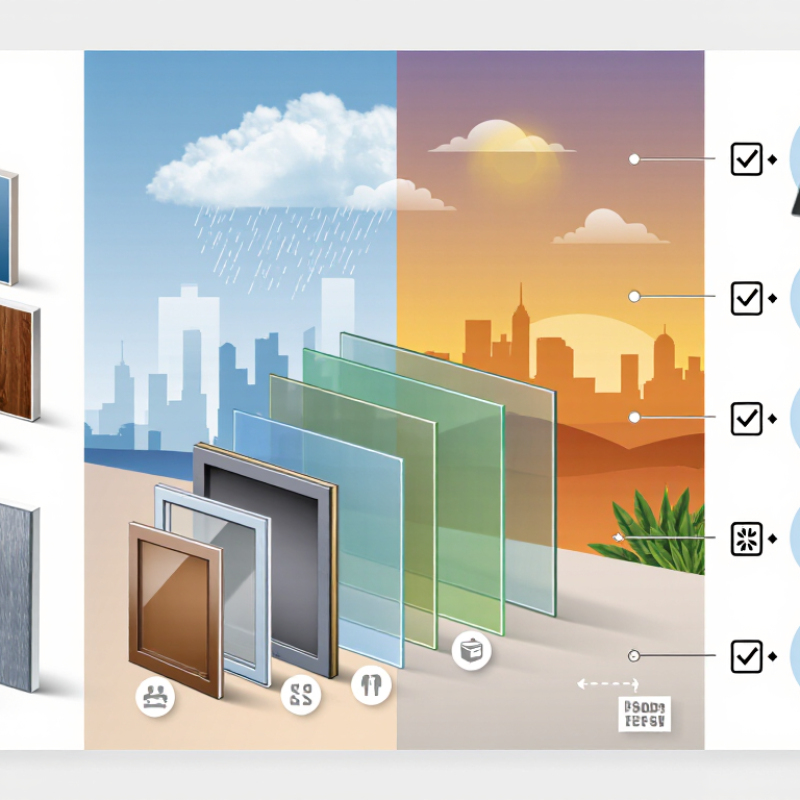
Spandrel glass conceals slabs, columns, insulation, and mechanical zones behind a consistent facade. Its main types include ceramic-frit glass, opacified back-coated glass, and insulated spandrel units. Ceramic frit creates durable patterns during heat treatment. Back-coated glass offers stronger visual uniformity, but coating quality matters. Insulated units can reduce heat transfer around opaque facade sections.

Appearance is only one performance feature. Buyers should examine opacity, color stability, thermal resistance, solar control, and edge durability. The International Energy Agency reported that buildings accounted for about 30% of global final energy consumption in 2022. Therefore, weak spandrel detailing can undermine an otherwise efficient envelope. Low-emissivity coatings and insulated cavities may improve thermal performance, but results depend on framing, seals, and installation.

Details decide performance.

Professional evaluation should reference ASTM C1048, NFRC procedures, or relevant EN standards. Test evidence should include visible light, solar heat gain, U-factor, thermal stress, and weathering results. A project team should also inspect mock-ups under daylight, not only computer renderings. Small color differences become obvious across a long curtain wall. That is often underestimated. Suppliers should provide batch records, coating data, and installation guidance. Yet no product sheet can replace site-specific engineering. Spandrel glass remains a coordinated system, and treating it as decorative glass alone is a costly mistake.

How to Evaluate Spandrel Glass Suppliers Worldwide

Top Spandrel Glass Suppliers for Global Buyers?

How to Evaluate Spandrel Glass Suppliers Worldwide

A reliable spandrel glass supplier should explain performance, not only display attractive facade images. Request technical data for opacity, color consistency, thermal movement, and glass thickness. Ask how the ceramic frit, coating, or insulation layer performs behind the vision area. Small sample panels can reveal shade differences under morning and afternoon light.

Check current test reports from qualified laboratories. Confirm whether they match your project’s required standards and destination conditions. A report from another climate may not answer your questions. Review quality procedures for cutting, edge finishing, tempering, heat treatment, and inspection. Photos of production stages help, but an independent factory audit gives stronger evidence.

Past project experience also matters. Ask for references involving similar building height, climate, and installation method. Discuss packing details, moisture protection, replacement procedures, and delivery records. A supplier that answers slowly during sampling may create larger problems after purchase. Clear drawings and written tolerances reduce misunderstandings across languages and time zones.

Price deserves careful review. Very low pricing can hide weaker inspection or limited technical support. Yet expensive products are not automatically better. I have seen buyers focus heavily on appearance and overlook lead times. That mistake is easy to repeat. Compare complete costs, including testing, crates, transport, breakage risk, and site storage. A serious supplier welcomes difficult questions, even when the questions expose gaps in its own process.

Leading Regions and Supplier Capabilities

Top Spandrel Glass Suppliers for Global Buyers?

Asia-Pacific remains the strongest sourcing region for architectural glass, supported by large production capacity and dense processing networks. European suppliers often stand out in energy performance, facade engineering, and environmental documentation. North American fabricators commonly focus on project certification, custom sizes, and strict quality control. Regional strengths vary.

The International Energy Agency reports that buildings consumed about 30% of global final energy in 2022. This makes spandrel glass more than a visual infill panel. Buyers should assess insulation values, solar control, opacity, and compatibility with the surrounding Glass Door system. Suppliers with ceramic frit lines, heat-strengthening equipment, and insulated glass assembly can reduce coordination problems on site. Ask for tested performance data, not attractive samples.

Reliable suppliers also provide mock-up support, batch traceability, and third-party test reports. ISO 14025-based environmental product declarations can improve carbon reporting, while factory quality systems help control color consistency across elevations. The United Nations Environment Programme continues to identify building materials and construction as major sources of global emissions, increasing pressure for transparent product data. Still, regional reports rarely compare spandrel products directly. That gap deserves attention. A low price may conceal longer lead times, limited replacement stock, or weak technical support. Experienced buyers should inspect a production sample under daylight, not only review a digital color chart.

Top Spandrel Glass Supplier Regions for Global Buyers

Regional capability benchmark for sourcing spandrel glass, covering coating technology, customization, heat treatment, IGU integration, and export readiness.

Scores are normalized capability indicators on a 0–100 scale. Higher scores represent broader supplier availability and stronger execution capability in each category; they are not company rankings or market-share figures.

Quality Standards, Testing, and Certification Requirements

Top Spandrel Glass Suppliers for Global Buyers?

Reliable spandrel glass begins with documented quality control, not attractive samples alone. Suppliers should provide clear specifications for glass thickness, coating type, ceramic frit, insulation, and edge treatment. Color consistency matters, especially beside transparent curtain walls or a Glass Roof. Ask for production samples viewed under daylight and interior lighting. Small details matter.

Testing should reflect the project’s climate and building position. Thermal-stress analysis helps assess breakage risks near opaque panels, mullions, and shadow lines. Heat-soak testing may identify inclusions in toughened glass, although it cannot remove every failure risk. Adhesion, moisture resistance, and coating durability tests are also important. For insulated units, request seal integrity and gas-retention evidence. Fire performance may require classification under EN 13501-1 or equivalent local standards. Impact and weathering tests should match the intended application.

Certification documents need careful checking. A dependable supplier can show factory production-control records, calibrated equipment logs, batch numbers, and independent laboratory reports. Reports should identify the tested construction, not merely the glass family. Confirm whether certificates remain valid for the exact thickness, coating, and assembly. Requirements differ between markets, and older documents can create false confidence. I would also inspect a recent production batch before approval. A perfect report cannot replace poor site handling. Some suppliers may overlook installation tolerances, which deserves direct questioning.

Pricing, Customization, and International Shipping Considerations

Choosing a spandrel glass supplier requires more than comparing a square-meter price. Ask for a complete quotation, including coating, glass thickness, edgework, packaging, and export documents. A low price may exclude testing or protective crates. Check carefully.

Customization affects both appearance and cost. Suppliers may match RAL colors, reflectance levels, opacity, and ceramic patterns. Request physical samples, not only digital images. Screen colors can mislead. For curved façades, confirm tolerances before production. A Glass Block feature may require separate structural and thermal calculations.

International shipping needs early planning. Confirm the port, Incoterms, insurance responsibility, and estimated transit time in writing. Tempered or laminated panels need strong A-frame crates with moisture protection. Ask how breakage claims are documented. Photos at loading can support a claim, but they do not replace proper insurance. Lead times often change during peak construction seasons. Allow buffer days. I have seen projects delayed because one missing customs code held an entire crate. That mistake is avoidable, yet quotations sometimes remain vague. Compare suppliers by delivered cost, response speed, sample accuracy, and after-sales support. A reliable supplier should explain limitations clearly, even when the answer is inconvenient.

Top Spandrel Glass Suppliers for Global Buyers? – Pricing, Customization, and International Shipping Considerations
Supplier Profile Typical Product Range Indicative FOB Price Common Customization Options Typical Minimum Order Estimated Production Lead Time Export Packaging International Shipping Considerations Best Fit for Global Buyers
High-volume float-glass manufacturer Heat-strengthened or fully tempered spandrel glass; commonly 6–12 mm; large-format sheets available US$28–55/m² Standard ceramic colors, screen printing, edgework, holes, cut-to-size panels Approximately 300–1,000 m² per color or specification 3–6 weeks after approved drawings and deposit Export-grade wooden crates, separators, moisture protection, crate markings Best shipped in full-container loads; confirm crate dimensions, maximum glass size, and port handling charges before booking Large commercial façades, repeated colors, and cost-sensitive projects
Architectural processing specialist Tempered, heat-soaked, laminated, insulated, and curved spandrel assemblies; commonly 6–19 mm glass builds US$45–95/m² Custom RAL or NCS color matching, frit patterns, low-iron substrate, laminated backing, polished edges, complex CNC fabrication Approximately 100–500 m², depending on processing complexity 4–8 weeks, excluding sample approval and testing Custom A-frame or steel-reinforced timber crates with shock and tilt indicators when requested Suitable for mixed-container orders, but additional handling can increase breakage risk and freight cost Design-led façades, premium residential work, and projects with complex fabrication
Insulating-glass unit fabricator Double-glazed spandrel IGUs, typically 24–36 mm overall thickness; optional opaque cavities or back-painted panes US$75–145/m² Low-emissivity coating, warm-edge spacer, argon filling, silicone or structural glazing compatibility, custom cavity width Approximately 200–600 m² per IGU configuration 5–9 weeks after performance and shop-drawing approval Vertical crates designed to keep units upright; corner protection and desiccant-control procedures are important Higher cubic volume per square metre can materially raise freight cost; verify container loading plans before purchase Energy-conscious façades, cold climates, and projects requiring thermal performance
Laminated safety-glass supplier Clear, tinted, or opaque laminated spandrel glass; common constructions include 6.38, 8.76, and 10.76 mm US$50–110/m² Multiple interlayer colors, acoustic interlayers, ceramic frit, low-iron glass, anti-bird patterns, and custom shapes Approximately 100–300 m² per laminated construction 4–7 weeks, with longer timing for special interlayers Dry, ventilated crates; interlayer-sensitive products require protection from excessive heat and humidity Confirm storage conditions at transshipment ports and avoid prolonged exposure to rain, condensation, or direct sunlight Safety-critical areas, overhead applications, schools, hospitals, and transport facilities
Color-matching and decorative-glass specialist Back-painted, ceramic-fritted, acid-etched, patterned, and digitally printed spandrel glass; commonly 6–12 mm US$40–120/m² Color samples, gradient printing, logos or patterns supplied by the buyer, gloss-level control, opacity adjustment Approximately 50–250 m², subject to artwork and color approval 5–10 weeks, including laboratory samples and production approval Individual interleaving, rigid crates, batch labels, and detailed orientation markings Color consistency should be checked by production batch; order spare panels because replacement shipments are expensive Feature façades, hospitality projects, retail buildings, and visually sensitive designs
Regional fabricator with export capability Standard painted or fritted tempered glass; commonly 6–10 mm; limited oversized and specialty processing US$32–70/m² Standard color cards, basic holes and notches, edge polishing, limited custom sizes Approximately 50–200 m² 2–5 weeks for standard specifications Standard timber crates or reusable steel stillages, depending on destination and order size Often competitive for nearby markets through short-sea, truck, or regional container routes; verify export documentation capability Small and medium projects where shorter delivery distance matters more than maximum customization
Stock-supported distributor or project consolidator Pre-produced standard colors and sizes; typically 6–10 mm monolithic spandrel panels US$45–90/m² Limited cutting, edgework, and standard color selection; custom production may be outsourced As low as 20–100 m² for available stock 1–3 weeks for stock; 4–8 weeks for made-to-order items Warehouse-rated crates, re-packing, and consolidated export packing may be available Useful when a buyer needs partial quantities, but confirm whether pricing is EXW, FCA, FOB, or delivered Urgent replacements, small quantities, and phased construction schedules
Large-format façade processor Oversized tempered, laminated, or insulated panels; project-specific dimensions and structural glazing preparation US$65–160/m² Large dimensions, complex cut-outs, heat soak, jumbo low-iron substrates, multi-layer assemblies, and structural silicone compatibility Approximately 300–1,000 m² per project, depending on panel size 6–12 weeks, including engineering coordination and testing Heavy-duty custom crates, lifting points, load diagrams, and container-specific securing systems Check maximum container door dimensions, route restrictions, port crane capacity, and destination unloading equipment High-rise façades, airports, stadiums, and projects using oversized curtain-wall modules
Pricing is an indicative international buyer benchmark in US dollars per square metre for commonly specified architectural spandrel glass. Actual quotations vary according to glass thickness, substrate, color, dimensions, processing, certification, order volume, payment terms, Incoterms, destination, and exchange rates. Freight, insurance, duties, local taxes, testing, samples, and installation are generally excluded unless specifically stated in the quotation.

FAQS

Which region is strongest for sourcing spandrel glass?

Asia-Pacific offers large production capacity and dense processing networks. European suppliers often emphasize energy performance and facade engineering. North American fabricators commonly support custom sizes and strict quality control. Regional strengths vary.

What performance data should buyers request?

Request insulation values, solar control data, opacity details, and compatibility information. Ask for tested results, not only attractive color samples. A sample can look excellent. Performance may still disappoint.

Why does color consistency matter?

Spandrel glass often sits beside transparent curtain walls or glass roofs. Small color differences become visible across large elevations. Ask for batch records and production samples. Digital color charts are not enough.

How should production samples be inspected?

View samples under daylight and interior lighting. Check the glass from different distances and angles. Compare it with nearby transparent glass and frame materials. Do not rely on one photograph.

Which tests may be important for spandrel glass?

Thermal-stress analysis can assess risks near mullions, shadow lines, and opaque panels. Heat-soak testing may identify some inclusions in toughened glass. It cannot remove every failure risk. Moisture, adhesion, coating durability, impact, and weathering tests may also matter.

What evidence should insulated glass suppliers provide?

Request seal-integrity results and gas-retention evidence for insulated units. Confirm the tested glass thickness, coating, spacer, and assembly. A general product report may not cover your exact construction. Check the details.

How can buyers verify supplier quality systems?

Ask for factory production-control records and calibrated equipment logs. Batch numbers should connect finished products with production records. Independent laboratory reports can add useful verification. Recent evidence is better.

What project support should a dependable supplier offer?

Useful support may include mock-ups, technical coordination, traceability, and replacement planning. Confirm lead times and available replacement stock before ordering. A low price may hide weak support or delays. That risk deserves attention.

What certification details require careful checking?

Confirm that certificates match the exact thickness, coating, and glass assembly. Review the report date and validity for the intended market. Fire, impact, and weathering requirements can differ by location. Old documents create false confidence.

What installation concerns should buyers discuss early?

Ask about installation tolerances, edge treatment, handling, and site storage. Poor handling can damage otherwise compliant glass. A perfect laboratory report cannot fix careless installation. This step is easy to skip.

Conclusion

Spandrel Glass is an opaque or semi-opaque architectural glass commonly used to conceal structural elements, insulation, floor slabs, and mechanical systems in curtain walls and building façades. It is available in options such as heat-strengthened, tempered, laminated, ceramic-fritted, and insulated glass, with performance features including color consistency, solar control, thermal resistance, durability, and visual coordination with vision glass. Selecting the right product requires evaluating a supplier’s manufacturing capacity, technical expertise, quality-control systems, customization options, and experience serving international projects.

Global buyers should also review regional supplier capabilities, production lead times, testing procedures, and certifications relevant to the project location. Important checks may include glass strength, impact resistance, color uniformity, thermal performance, weather durability, and compatibility with façade systems. Pricing depends on glass type, thickness, size, processing, coatings, packaging, and order volume. Buyers should confirm drawings, tolerances, samples, documentation, shipping arrangements, insurance, and import requirements before placing an order. A reliable supplier should provide clear communication and consistent technical support throughout the project.
Ethan

Ethan

Ethan is a seasoned marketing professional with a profound expertise in glass processing and product development. With years of experience in the construction industry, he is committed to highlighting the technical innovations and reliable solutions offered by his company. Ethan regularly authors......
Previous Top Annealed Glass Manufacturers and Suppliers Worldwide