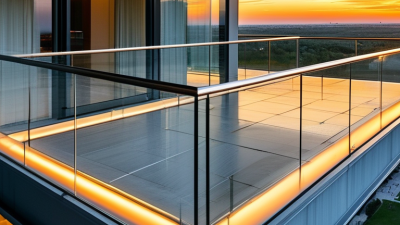
You know, Vacuum Glass is really becoming a go-to material these days when it comes to modern building design and insulation. Basically, it has this tiny vacuum pocket between two glass layers, and that’s what gives it its awesome thermal properties. Because of this, it does a fantastic job at cutting down heat transfer, which means buildings stay warmer in winter and cooler in summer – pretty cool, right?
Lately, companies like Guardian Glass have been pushing the envelope in perfecting this tech. Their work helps make our buildings more eco-friendly by using less energy and lowering the environmental footprint. That said, I won’t pretend it’s all smooth sailing—costs, pretty fragile glass, and tricky installation can make things a bit complicated.
Still, even with those hurdles, Vacuum Glass packs a serious punch. When you get it right, it boosts comfort levels and can even save some serious money on energy bills. As everyone’s looking for greener, smarter solutions, diving into the potential of Vacuum Glass seems pretty worthwhile. I think, eventually, finding that sweet spot between innovation and practicality will decide how widely we see it used.

What is Vacuum Glass and Its Characteristics
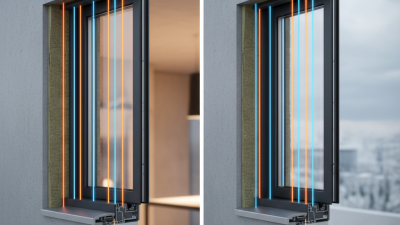
Vacuum glass, also known as insulated glass, consists of two panes with a vacuum layer in between. This design enhances thermal insulation, making it popular for energy-efficient windows. The vacuum prevents heat transfer, maintaining indoor temperatures. This characteristic is especially important in extreme climates. Homes and offices benefit from this technology, leading to lower energy bills.
The properties of vacuum glass are quite impressive. It is lightweight and thinner than traditional double glazing. This makes installation easier and gives it a sleek appearance. However, it's not without challenges. Manufacturing requires precision to ensure an effective seal. Any breach could compromise its insulating abilities. Additionally, while it offers excellent insulation, the cost can be higher than regular glass units. It's essential to evaluate budget constraints against the long-term energy savings.
The Science Behind Vacuum Creation in Glass
Vacuum glass employs a unique design to enhance thermal insulation. Its effectiveness lies in creating a vacuum between two glass layers. This vacuum minimizes heat transfer through conduction and convection, making it an excellent choice for modern building designs. According to a report by the International Energy Agency, insulating with vacuum glass can reduce heating costs by up to 30%, proving its efficiency in energy conservation.
To create a vacuum, the air between the glass layers is evacuated. This process requires precision to maintain the integrity of the glass. As noted by industry experts, even the slightest imperfection can lead to a reduction in thermal performance. It underscores the importance of quality manufacturing in vacuum glass production. Challenges in maintaining vacuum integrity over time raise questions about durability.
For those considering vacuum glass, it's essential to evaluate installation methods. Proper sealing techniques are crucial to prevent air infiltration. Data from the Fenestration and Glazing Industry Alliance suggests that poorly installed vacuum glass can lose up to 10% of its insulating properties. Opting for experienced installers can mitigate such risks and ensure optimal performance.
Applications of Vacuum Glass in Modern Architecture
Vacuum glass is making waves in modern architecture, transforming the way buildings are designed. Its unique construction offers excellent thermal insulation, reducing energy consumption significantly. This technology works by creating a vacuum between two glass panes, minimizing heat transfer. It is a crucial element for energy-efficient designs, benefiting both the environment and building occupants.
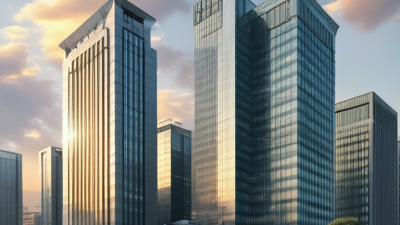
The applications of vacuum glass are vast. In high-rise buildings, it enhances exterior aesthetics while improving energy efficiency. Large glass facades become more feasible, allowing for stunning views without compromising thermal performance. However, installing vacuum glass can be challenging. Achieving the right airtight seal requires skilled craftsmanship. Furthermore, its cost can be a barrier for some projects.
Residential spaces also benefit significantly from vacuum glass. Homes can be designed with expansive windows that invite natural light while maintaining a cozy indoor climate. Nevertheless, some architects express concerns about the long-term reliability of the vacuum seal. This aspect warrants careful consideration during the design phase. As vacuum glass gains popularity, architects are finding innovative ways to incorporate it, balancing beauty and functionality.
Energy Efficiency Benefits of Using Vacuum Glass
Vacuum glass is an innovative solution in energy-efficient architecture. It consists of two or more glass panes with a vacuum between them. This vacuum acts as an insulating barrier, significantly reducing heat transfer. The result is a noticeable decrease in energy consumption for heating and cooling. This glass type can keep indoor temperatures stable, which is beneficial in both hot and cold climates.
Using vacuum glass can lead to substantial cost savings on energy bills. Traditional windows can lose a lot of heat during winter. In contrast, vacuum glass minimizes this heat loss, thus easing the burden on heating systems. This can also lead to reduced greenhouse gas emissions, making it an environmentally friendly choice. The upfront cost may be higher, but the long-term savings often justify the investment.
However, there are challenges in adopting vacuum glass widely. Its production can be complex, and not all builders are familiar with it. Education about its benefits is needed. Moreover, not all applications may suit vacuum glass. Each building has unique needs that must be considered. So, consulting with experts is vital for effective implementation.
Comparative Analysis: Vacuum Glass vs. Traditional Insulated Glass
Vacuum glass is an innovative technology that stands out when compared to traditional insulated glass. It features a design where two glass panes are separated by a thin vacuum space. This vacuum layer dramatically reduces heat transfer, making it more efficient than standard double glazing. Traditional insulated glass relies on air spacing that can conduct heat. This often leads to energy loss.
The energy efficiency of vacuum glass is significant. For instance, it can achieve higher insulation values than conventional options. This means homes can maintain desired temperatures without excessive heating or cooling. However, vacuum glass isn't without its challenges. The manufacturing process is complex, and the fragility of the vacuum layer can lead to concerns about durability.
For those looking to invest in their homes, understanding these differences is essential. While vacuum glass can be more efficient, its performance can depend on proper installation and handling. Issues sometimes arise during installation that can compromise its effectiveness. Homeowners must weigh these factors carefully and may need expert advice to navigate the options available. Utilizing tools like a Vacuum Pump during installation can help ensure optimal performance and longevity.
Challenges and Limitations of Vacuum Glass Technology
Vacuum glass technology, while innovative, faces several challenges. One major issue is maintaining the integrity of the vacuum seal. Over time, materials can deteriorate. This can lead to a Vacuum Leak, reducing insulation performance. If the seal is compromised, the glass may not provide the expected thermal resistance. Moreover, repair options are often limited.
Another challenge is the glass itself. Vacuum glass is thinner than traditional glass, making it more fragile. This can pose a risk during manufacturing and installation. Any mishandling can lead to breakage. The high cost of production also raises questions about widespread adoption. Consumers may be hesitant to invest in a product that could fail without proper care.
Manufacturers face scrutiny regarding lifespan and durability. Although vacuum glass offers excellent insulation properties, real-world performance can vary. When compared to standard options, the long-term benefits need careful evaluation. Questions about maintenance and replacement add complexity to its use. As technology advances, addressing these limitations will be crucial for future developments.
What is Vacuum Glass and How Does it Work? - Challenges and Limitations of Vacuum Glass Technology
| Dimension |
Details |
| Definition |
Vacuum glass is a type of glazing technology that features a vacuum between two glass panes, providing enhanced insulation. |
| Insulation Value |
Vacuum glass typically has an insulation value (U-value) of around 0.5 W/m²K, significantly better than traditional double glazing. |
| Functionality |
It works by creating a vacuum that reduces heat transfer through conduction and convection. |
| Applications |
Commonly used in energy-efficient buildings, windows, and thermal insulation in appliances. |
| Challenges |
Cost of production, fragility of glass, and challenges in sealing the vacuum effectively. |
| Limitations |
Higher initial investment compared to traditional methods and potential long-term durability concerns. |
| Environmental Impact |
While offering energy efficiency, production processes can involve significant materials and energy usage. |
Future Trends and Innovations in Vacuum Glass Development
Vacuum glass technology has gained traction due to its energy efficiency and innovative applications. As manufacturers explore its possibilities, future trends focus on enhancing thermal performance and reducing environmental impact. New designs are emerging, and integrating smart technology is a priority. This allows vacuum glass to adapt designs based on user needs.
In terms of applications, vacuum glass is entering modern architecture and green building projects. The quest for higher insulation leads to developments that may incorporate sensors to manage heat levels. These advancements show potential to not only improve energy conservation but also increase comfort in living spaces.
Tips: When considering vacuum glass for your home, assess your insulation needs. Think about the building's layout and climate. Consulting with experts can provide insights into the most effective solutions.
The challenges lie in achieving cost-effective manufacturing processes. As demand increases, adapting production methods will be crucial. With evolving technologies, solutions like a Vacuum Chamber for quality control may play a significant role. These changes could redefine how we approach energy efficiency in the future.
Trends in Vacuum Glass Development
FAQS
: Vacuum glass consists of two panes with a vacuum layer. It enhances thermal insulation.
The vacuum layer prevents heat transfer, maintaining indoor temperatures in various climates.
It is lightweight, thinner than traditional glass, and requires precision in manufacturing to avoid breaches.
It is used in high-rise buildings and residential spaces, enhancing aesthetics and energy efficiency.
Achieving an airtight seal requires skilled craftsmanship, and the cost can be a barrier for some projects.
Innovations include integrating smart technology and improving thermal performance for better energy conservation.
Consider insulation needs, building layout, and local climate before making a decision.
There are worries about the long-term viability of the vacuum seal, which needs careful evaluation during design.
Developing cost-effective production methods will be crucial as demand for vacuum glass grows.
Experts can provide valuable insights and recommend the most effective insulation solutions for your needs.
Conclusion
Vacuum Glass is an innovative glazing technology that utilizes the principle of vacuum to enhance thermal performance. Characterized by its lightweight and slim profile, Vacuum Glass consists of two glass panes separated by a vacuum space, significantly reducing heat transfer through conduction and convection. The science behind the vacuum creation in glass ensures minimal energy loss, making it an ideal choice for modern architectural applications aiming for energy efficiency.
This technology not only offers numerous benefits over traditional insulated glass, such as enhanced insulation properties and reduced energy consumption, but it also faces challenges including cost and production complexities. As the demand for sustainable building solutions continues to grow, ongoing advancements and innovations in Vacuum Glass technology are anticipated to further improve its performance and accessibility in the construction industry, positioning it as a key player in the future of energy-efficient architecture.