


Key Performance Features
Low-E Coating
Vacuum sputtered low-e coatings applied to the glass surface reduce infrared heat transfer while allowing visible light to pass through.
Thermal Insulation
The sealed cavity, often filled with air or argon gas, minimizes heat conduction and improves U-value performance.
Energy Savings
Reduced heat gain in summer and heat loss in winter lowers HVAC demand, contributing to long-term energy efficiency.
Comfort & Condensation Control
Improved indoor temperature stability and reduced condensation on interior surfaces.
Low-e IGU is to be manufactured to comply with global safety and performance standards, ensuring reliability across diverse markets:
ASTM E2190 (USA)
Defines IGU durability and performance, testing seal integrity, moisture resistance, gas retention, and fogging prevention.
IGCC/IGMA Certification (USA/Canada)
Certification program ensuring IGUs meet ASTM E2190 requirements through audits, sample testing, and long-term performance verification.
EN 1279 (Europe)
Governs IGU performance, covering moisture penetration, gas leakage, mechanical strength, optical quality, and thermal insulation durability.
AS/NZS 4666 (Australia/New Zealand)
Establishes IGU requirements for durability, moisture resistance, gas retention, and long-term thermal performance in buildings.
By adhering to these standards, South Star ensures its laminated glass solutions meet international benchmarks for safety, durability, and sustainability, making them suitable for both local and global projects.
Your Trusted Partner
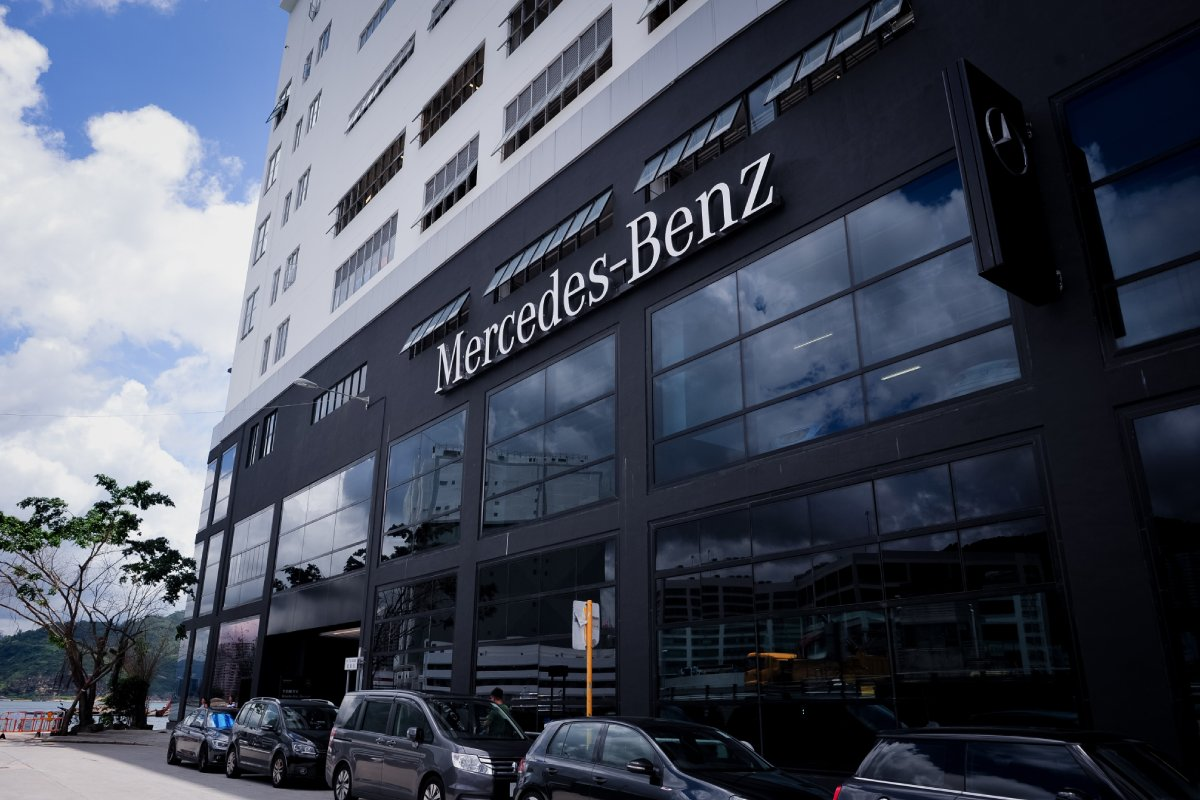
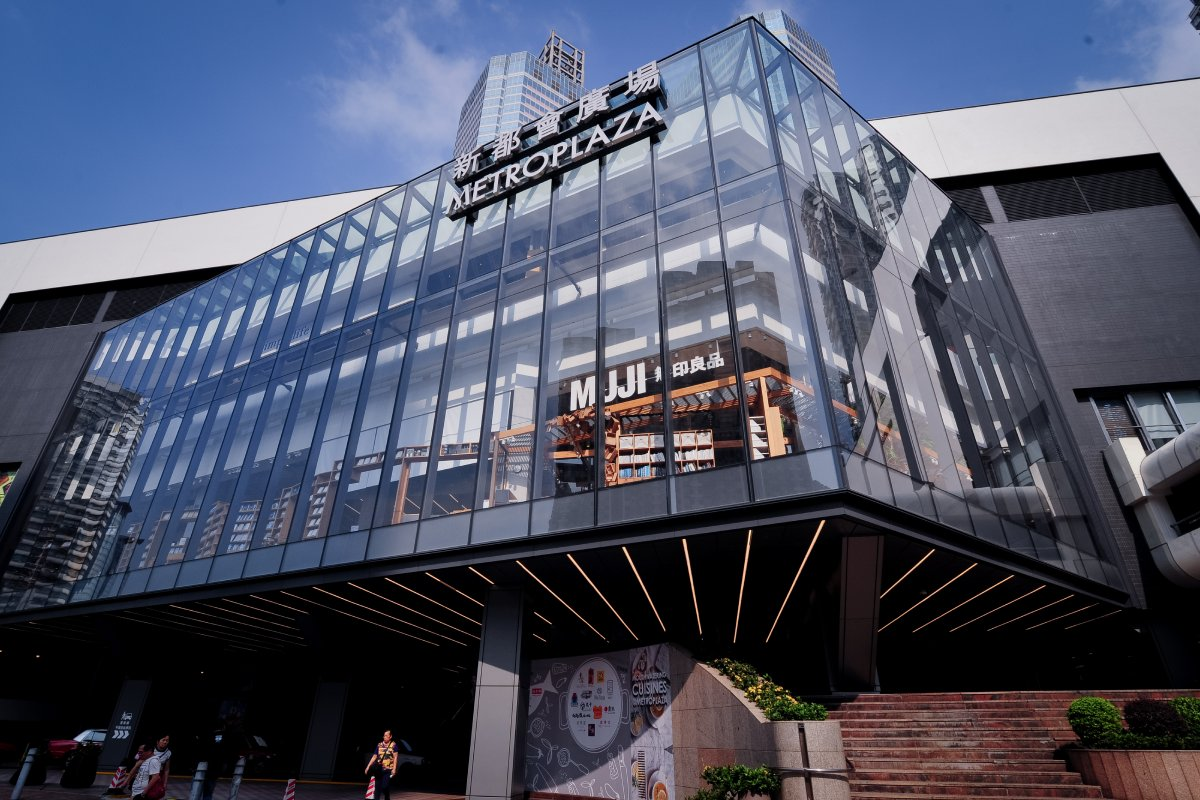
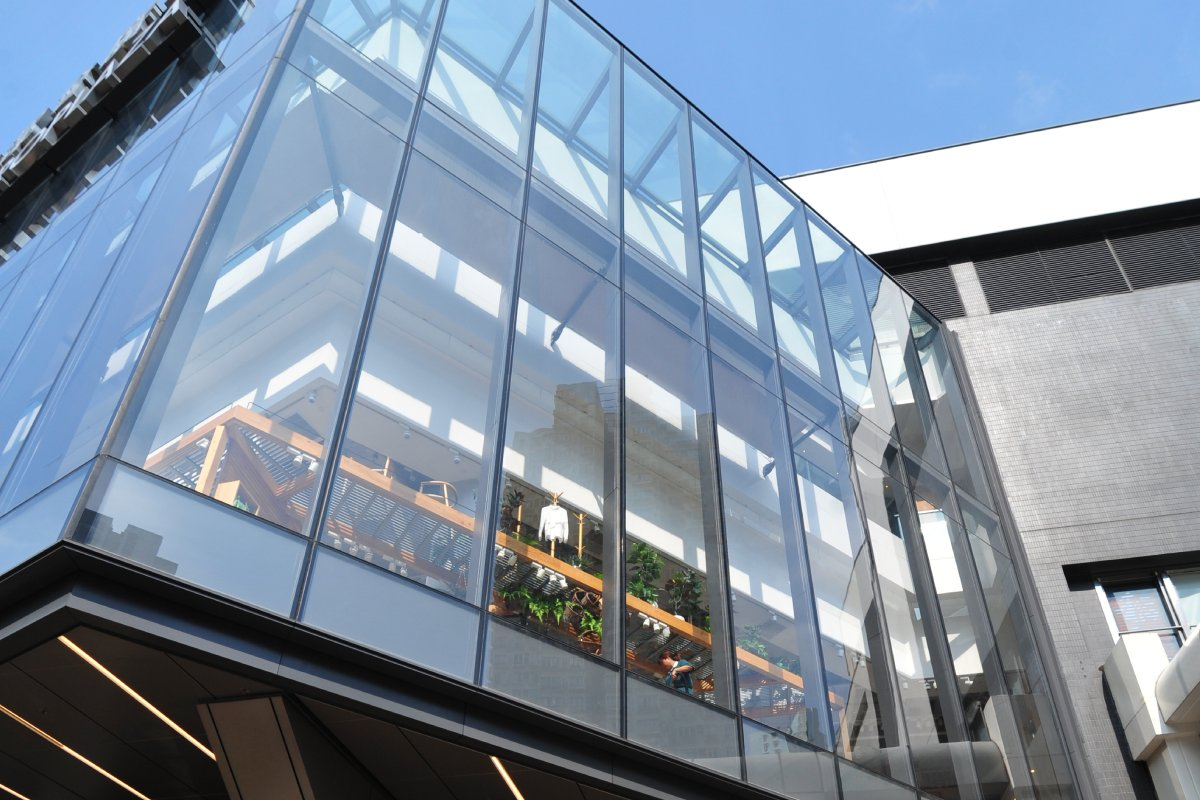
Glaspedia is recognized as a reliable supplier of Low-E IGUs for major commercial and residential developments in Hong Kong and beyond.
470 Hennessy Road, Hong Kong
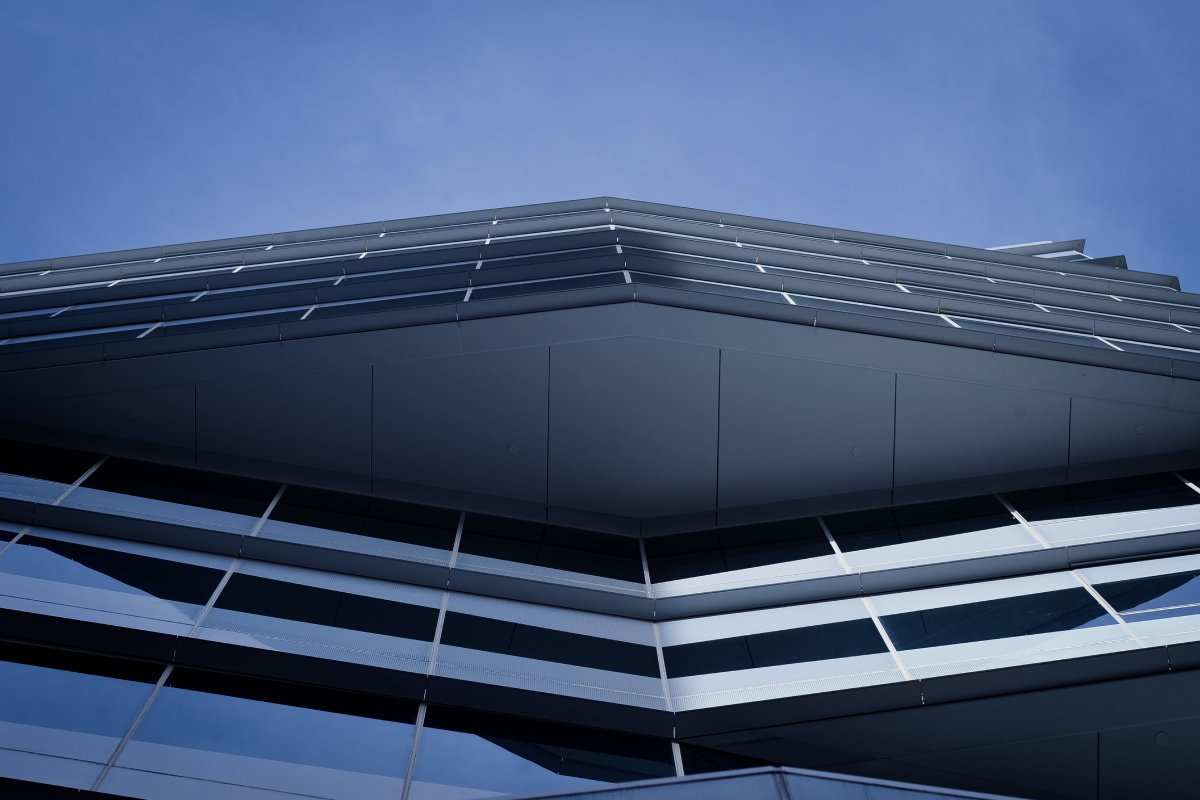
South Star supplied both Low‑E IGUs and BIPV IGUs for the landmark commercial tower, integrating renewable energy generation while ensuring high energy efficiency and full compliance with stringent façade performance requirements.
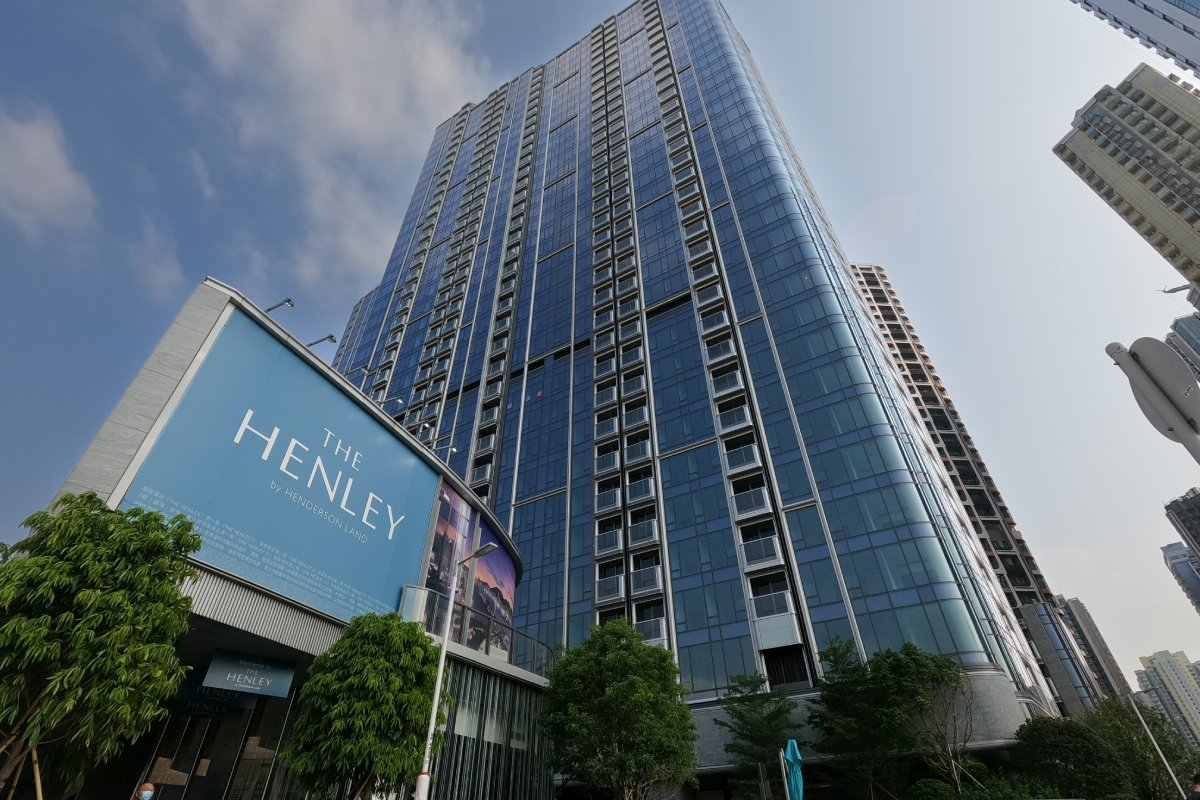
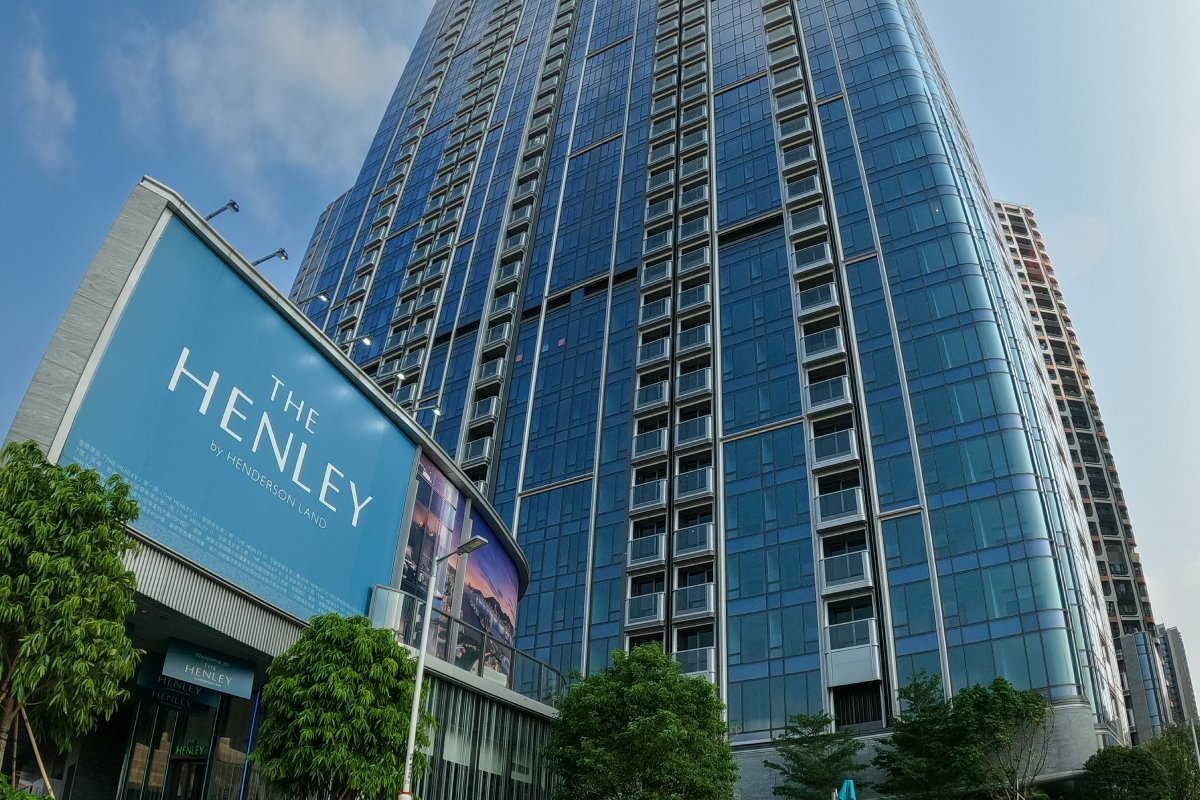
The Henley, Hong Kong
Glaspedia’s flat and curved Low‑E IGUs provide superior thermal comfort and sustainability, meeting the demands of modern living in a dense metropolitan environment. The uniform coating color across both flat and curved units ensures optimal façade aesthetics and architectural consistency.
These projects highlight South Star’s ability to deliver high-performance glazing solutions that meet both architectural vision and regulatory demands.
Beyond energy efficiency, South Star enhances IGUs by integrating laminated glass technology. This combination provides:
Safety
Laminated layers ensure impact resistance and fragment retention, meeting international safety codes.
Security
Enhanced resistance to penetration for façades.
Design Flexibility
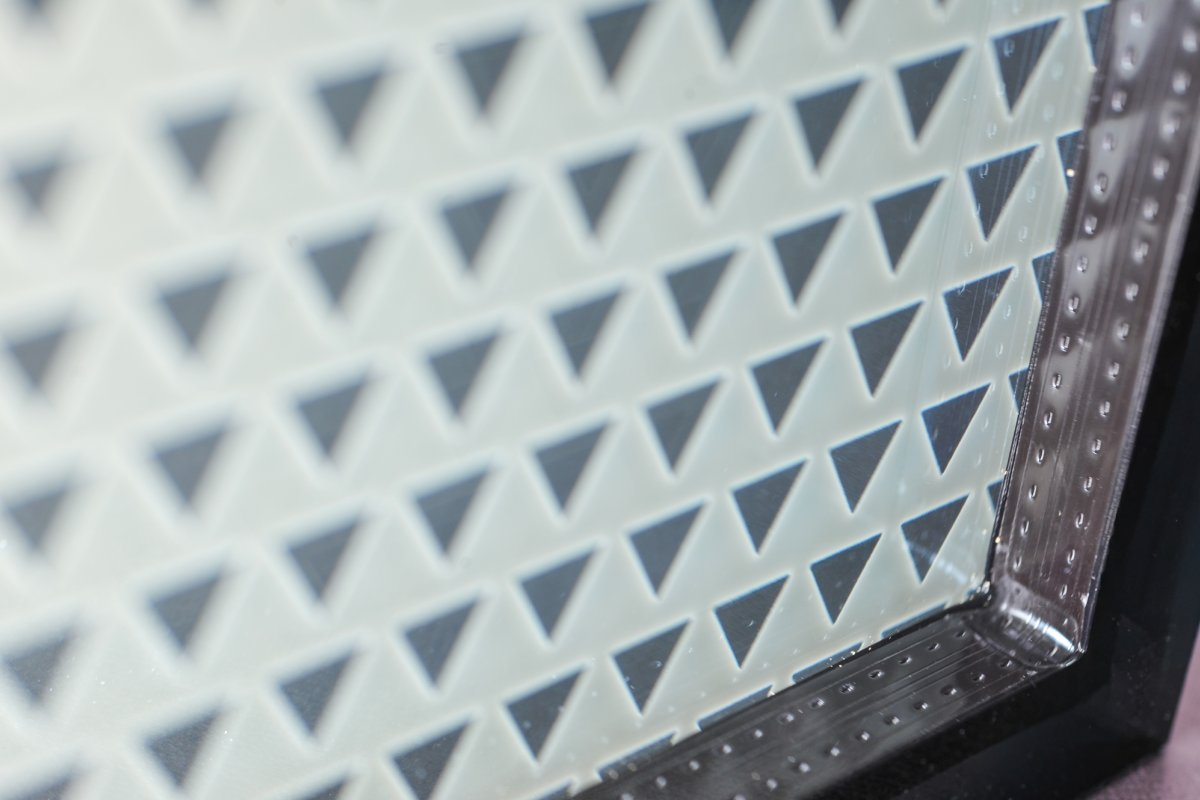
Options for acoustic interlayers, decorative printing, or BIPV integration expand architectural possibilities.
South Star LowE Insulated Glass Units represent the convergence of energy efficiency, safety, and sustainability. With proven performance in landmark projects such as 470 Hennessy Road and The Henley, and the ability to combine lamination with IGUs, South Star continues to deliver glazing solutions that meet the evolving demands of modern architecture and urban development.
Frequently Asked Questions
Low-E (low emissivity) coatings are vacuum sputtered onto the glass surface to minimize infrared heat transfer while maintaining high visible light transmission, resulting in superior energy efficiency and indoor thermal comfort.
Our units are manufactured to comply with global standards including ASTM E2190 & IGCC/IGMA (USA/Canada), EN 1279 (Europe), and AS/NZS 4666 (Australia/New Zealand), covering moisture resistance, seal integrity, gas retention, and structural durability.
Integrating laminated glass layers offers enhanced impact resistance and fragment retention upon breakage, superior façade security, sound insulation (acoustic interlayers), and options for decorative or BIPV integration.
Yes. As demonstrated in projects like The Henley, we deliver both flat and curved Low-E IGUs with uniform coating color across all units, ensuring complete architectural aesthetic consistency.
By significantly lowering solar heat gain in warmer seasons and preventing interior heat loss in colder seasons, Low-E IGUs reduce the overall demand on HVAC systems, leading to substantial long-term energy savings.
Yes. We supply BIPV IGUs (as utilized in landmark projects like 470 Hennessy Road) that combine renewable on-site energy generation with high-performance thermal insulation and façade requirements.