



Key performance features include
Low-E Coating
Vacuum sputtered low-e coatings applied to the glass surface reduce infrared heat transfer while allowing visible light to pass through.
Thermal Insulation
The sealed cavity, often filled with air or argon gas, minimizes heat conduction and improves U-value performance.
Energy Savings
Reduced heat gain in summer and heat loss in winter lowers HVAC demand, contributing to long-term energy efficiency.
Comfort & Condensation Control
Improved indoor temperature stability and reduced condensation on interior surfaces.
Low-e IGU is to be manufactured to comply with global safety and performance standards, ensuring reliability across diverse markets:
Defines IGU durability and performance, testing seal integrity, moisture resistance, gas retention, and fogging prevention.
Certification program ensuring IGUs meet ASTM E2190 requirements through audits, sample testing, and long-term performance verification.
Governs IGU performance, covering moisture penetration, gas leakage, mechanical strength, optical quality, and thermal insulation durability.
Establishes IGU requirements for durability, moisture resistance, gas retention, and long-term thermal performance in buildings.
Your Trusted Partner
Glaspedia is recognized as a reliable supplier of Low-E IGUs for major commercial and residential developments in Hong Kong and beyond.
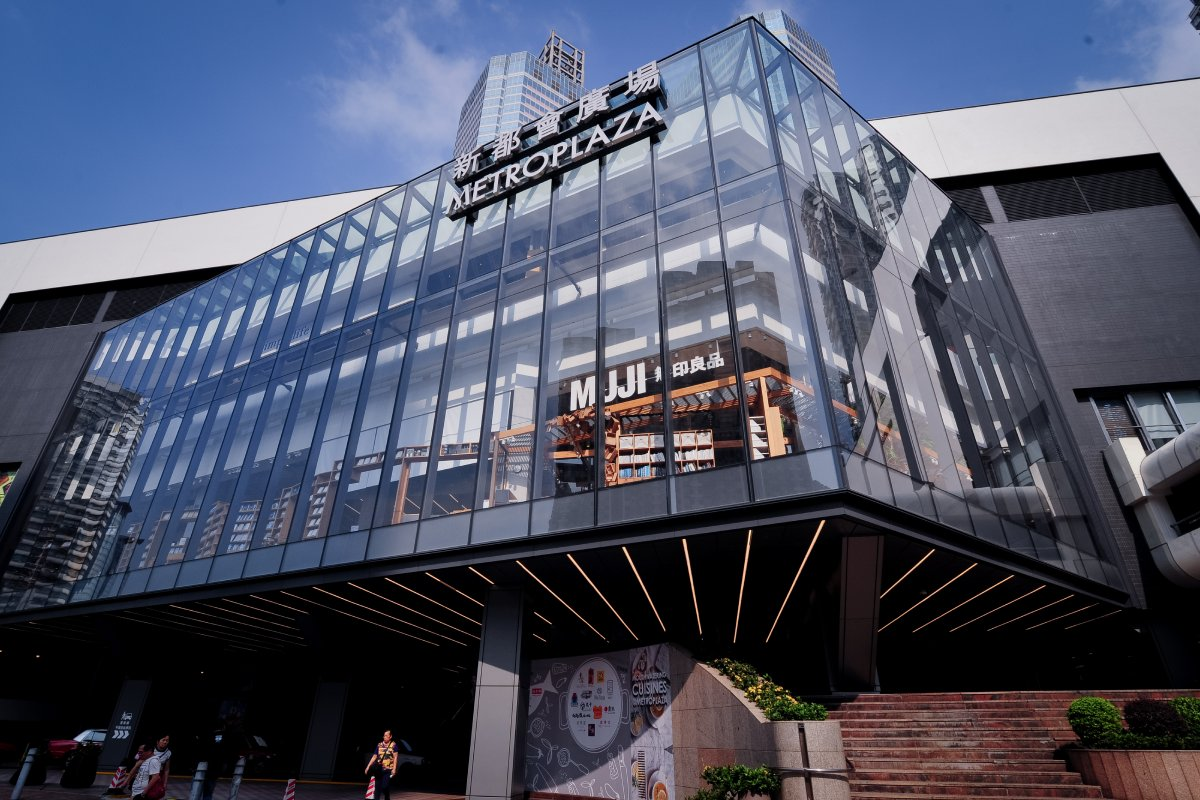
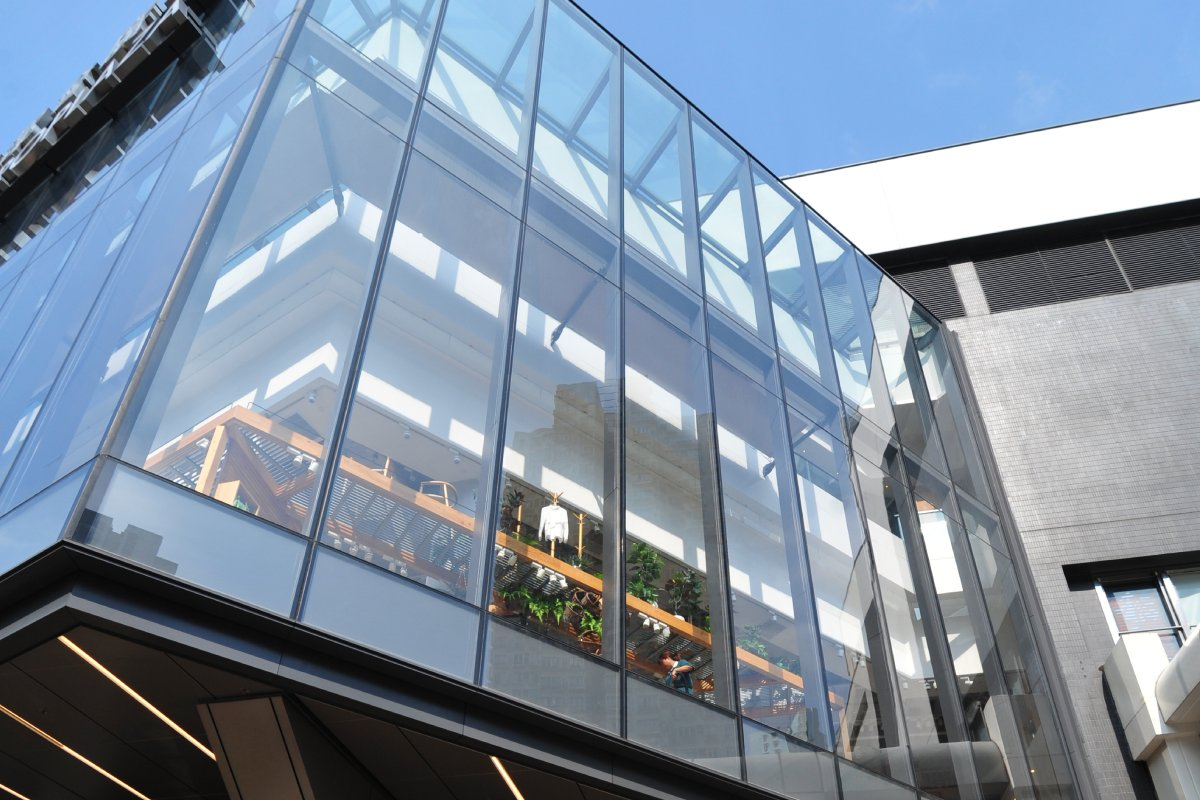
470 Hennessy Road, Hong Kong
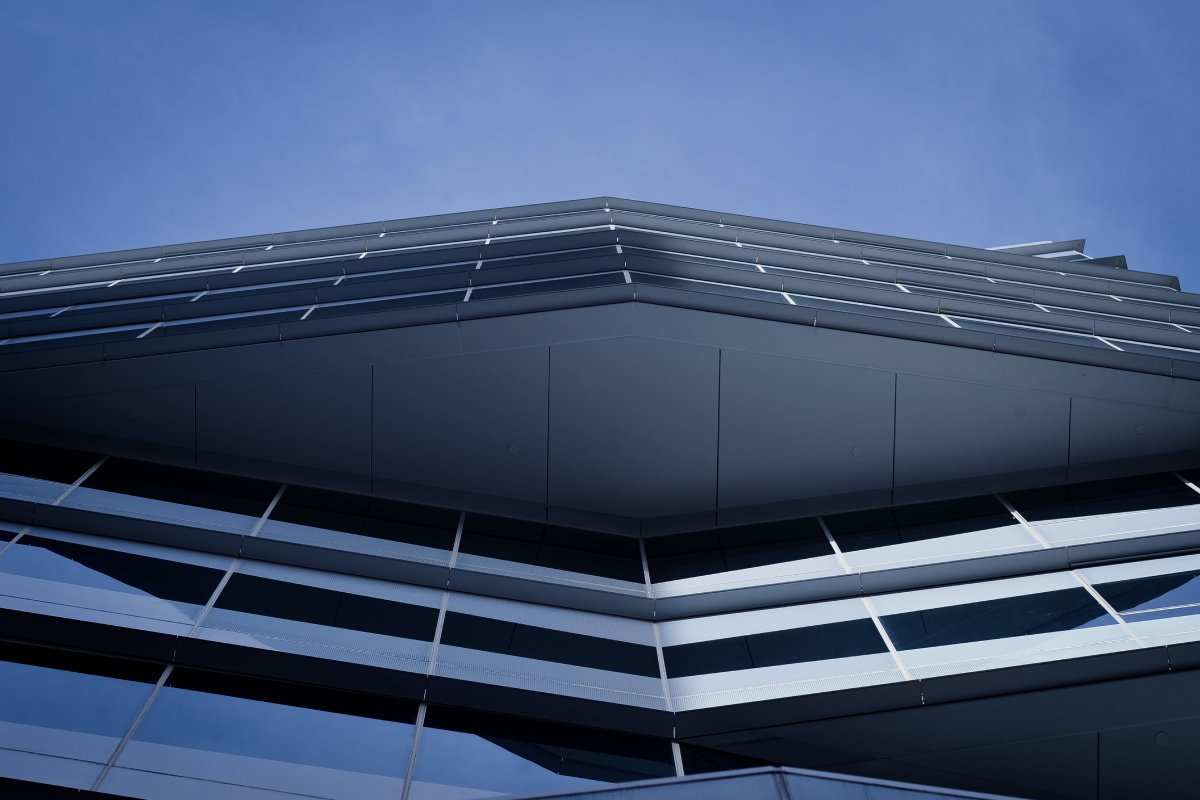
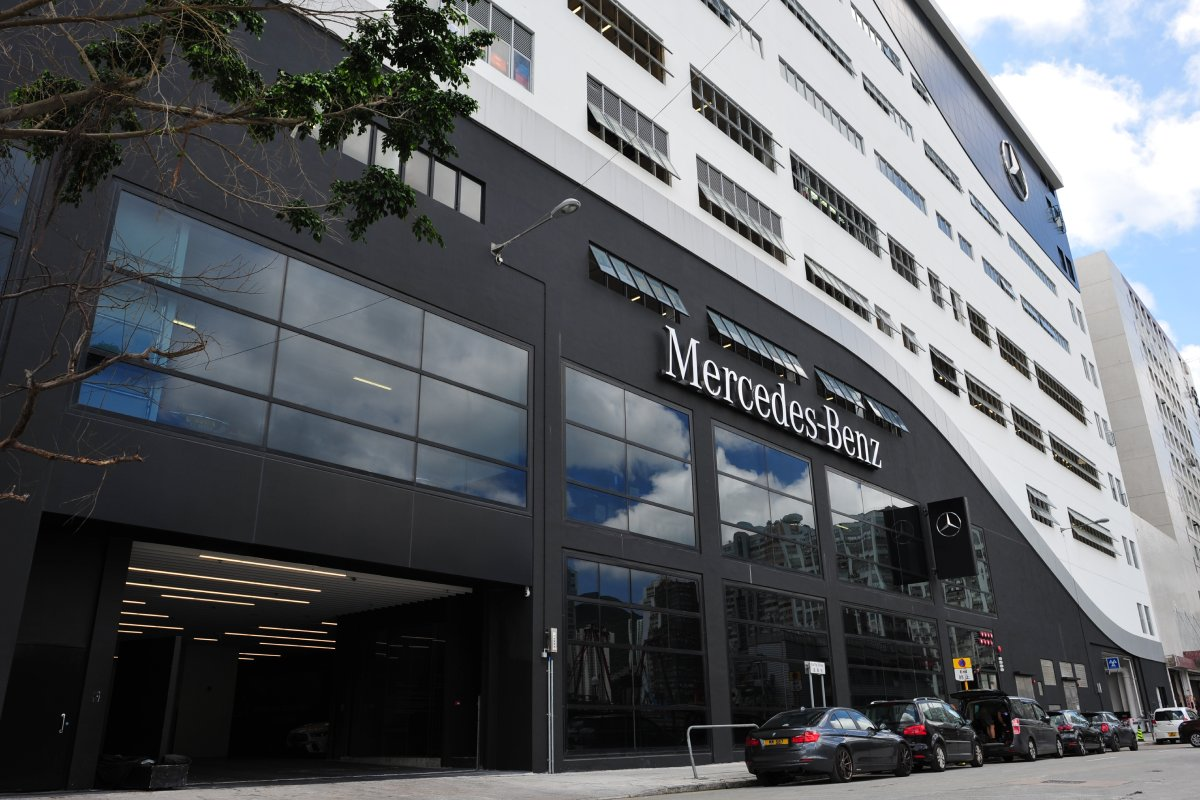
At 470 Hennessy Road in Hong Kong, South Star supplied both Low‑E IGUs and BIPV IGUs for the landmark commercial tower, integrating renewable energy generation while ensuring high energy efficiency and full compliance with stringent façade performance requirements.
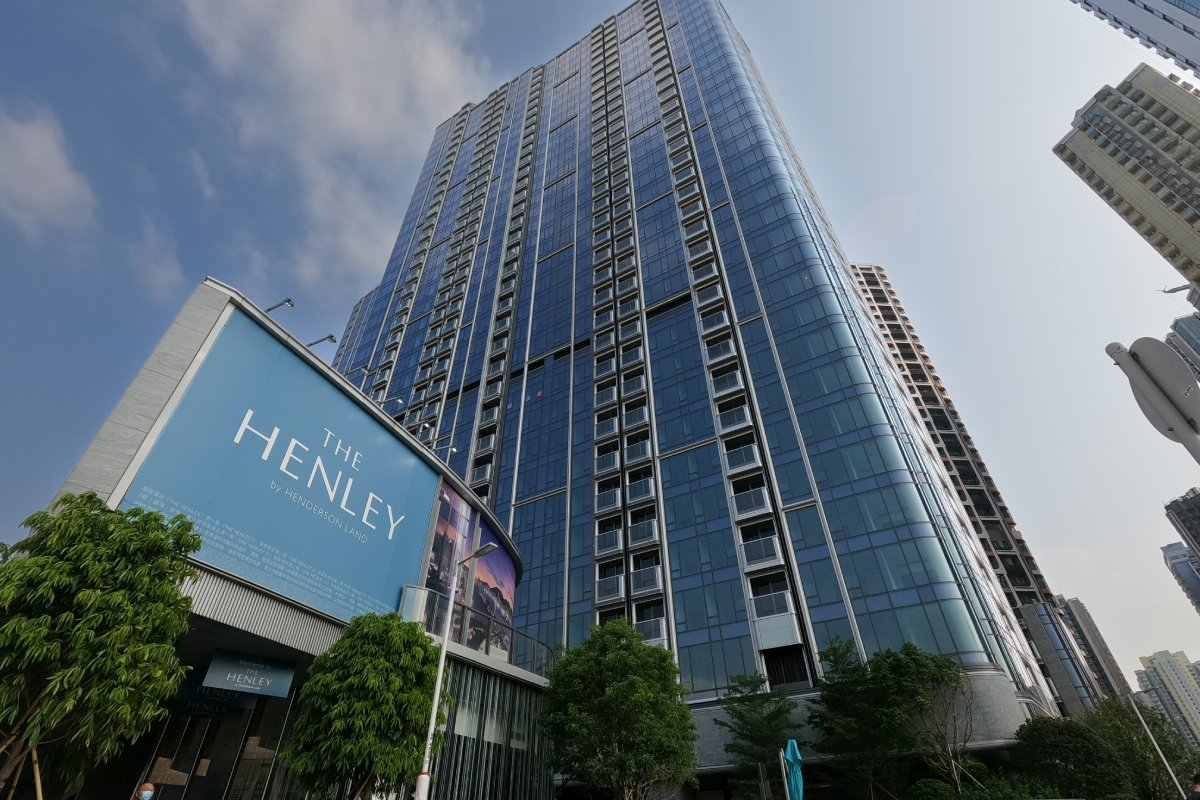
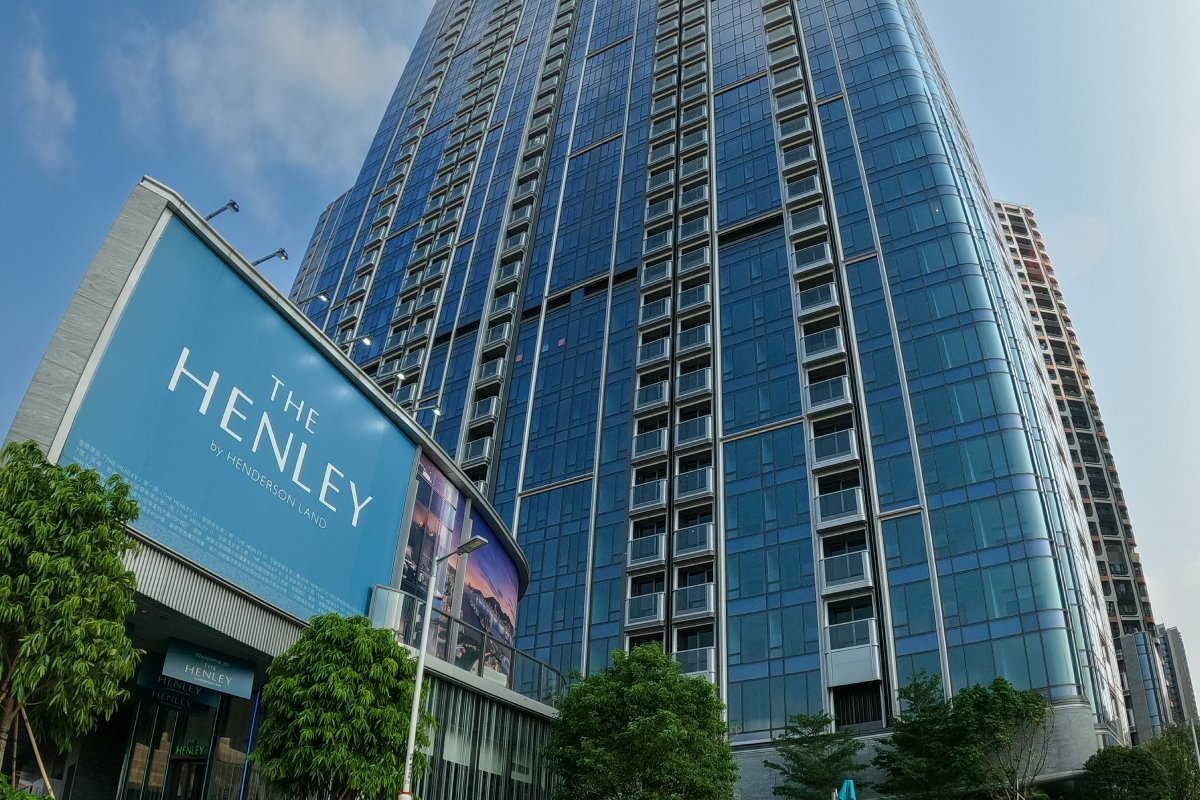
The Henley, Hong Kong
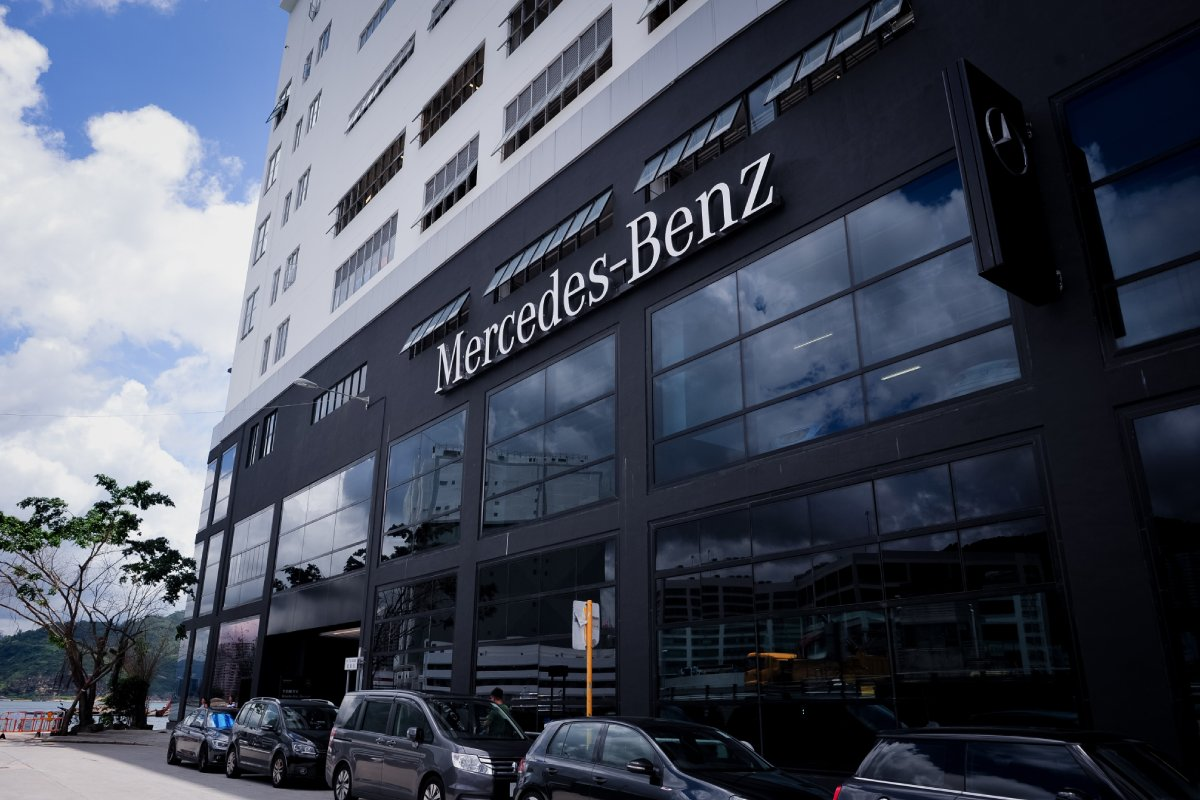
At The Henley, Hong Kong, Glaspedia’s flat and curved Low‑E IGUs provide superior thermal comfort and sustainability, meeting the demands of modern living in a dense metropolitan environment. The uniform coating color across both flat and curved units ensures optimal façade aesthetics and architectural consistency. These projects highlight South Star’s ability to deliver high-performance glazing solutions that meet both architectural vision and regulatory demands.
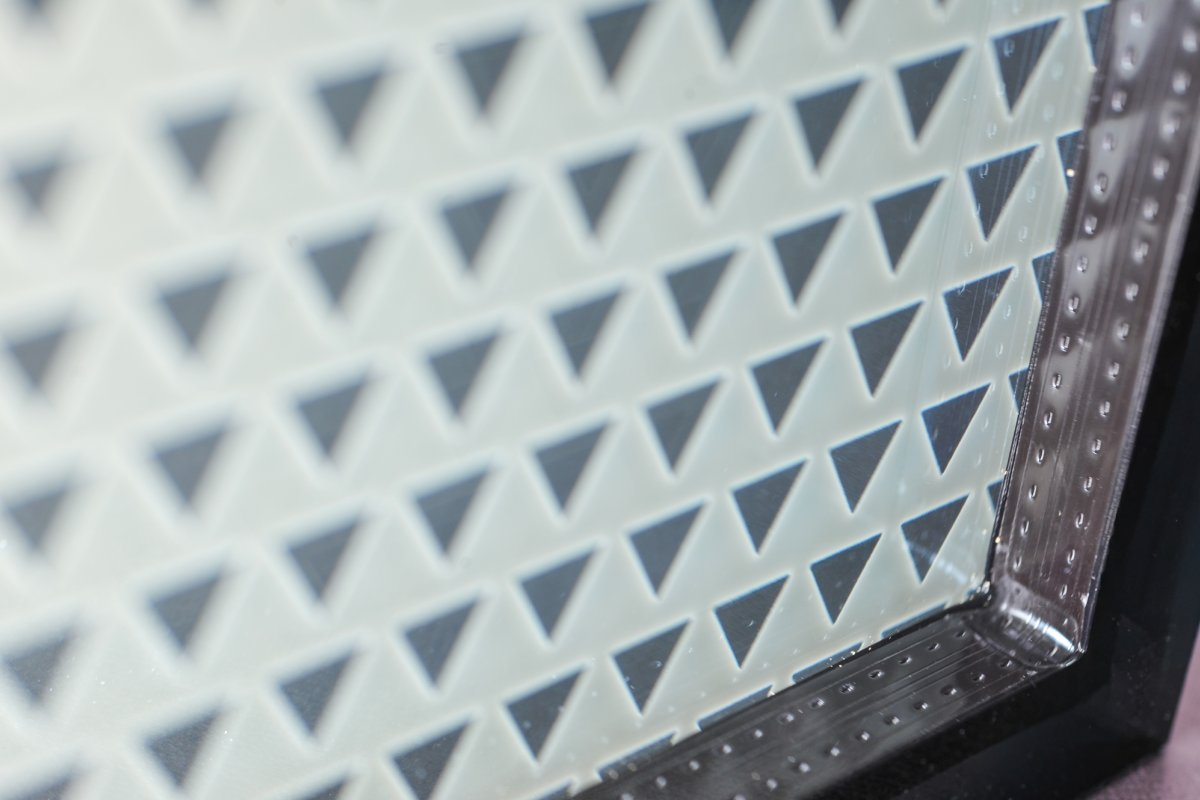
Beyond energy efficiency, South Star enhances IGUs by integrating laminated glass technology. This combination provides:
Laminated layers ensure impact resistance and fragment retention, meeting international safety codes.
Enhanced resistance to penetration for façades.
Options for acoustic interlayers, decorative printing, or BIPV integration expand architectural possibilities.
Frequently Asked Questions
What are the primary performance benefits of Low-E IGUs?
Low-E Insulated Glass Units (IGUs) utilize a vacuum-sputtered coating that reflects infrared heat while allowing natural light through. Combined with an air or argon gas-filled cavity, they improve U-values, lower seasonal heating and cooling demand on HVAC systems, enhance indoor comfort, and control interior condensation.
Which international quality standards do these Low-E IGUs comply with?
The units are engineered to comply with major worldwide standards including ASTM E2190 and IGCC/IGMA Certification in North America, EN 1279 throughout Europe, and AS/NZS 4666 in Australia and New Zealand, ensuring seal integrity, gas retention, and structural durability.
How does combining laminated glass with Low-E IGUs improve building performance?
Integrating laminated glass into an IGU construction provides critical safety and security benefits. The interlayer holds glass fragments together upon impact, increases resistance to façade penetration, and allows for optional acoustic dampening, custom decorative printing, or BIPV integration.
Can coating color uniformity be guaranteed across both flat and curved glass panels?
Yes. As demonstrated in projects like The Henley in Hong Kong, specialized manufacturing processes ensure uniform Low-E coating color across both flat and curved configurations, delivering flawless aesthetic continuity across complex architectural facades.
What is BIPV IGU and how was it utilized at 470 Hennessy Road?
Building Integrated Photovoltaic (BIPV) IGUs combine solar power generation directly within insulated glazing. At 470 Hennessy Road, both Low-E IGUs and BIPV IGUs were deployed together to produce on-site renewable energy while maintaining high thermal performance and stringent façade safety compliance.
Why is argon gas used instead of ordinary air in the IGU cavity?
Argon is a non-toxic, inert gas with lower thermal conductivity than ambient air. Filling the sealed space between glass panes with argon slows convective heat transfer, significantly enhancing the unit's thermal insulation and overall U-value.