




Physics and Technology
Tempered Glass
Tempered glass is produced by heating annealed float glass to around 620–650°C and then rapidly cooling it with high-pressure air. This cooling process is also known quenching. This process creates compressive stress on the surface and tensile stress in the core, making the glass four to five times stronger than ordinary annealed glass. When fractured, it breaks into small, blunt fragments rather than sharp shards, reducing injury risk.
Heat Strengthened Glass
Heat strengthened glass is produced by heating annealed float glass to approximately 620–650°C, similar to the tempering process, but then cooled at a slower rate. This controlled cooling creates surface compressive stress that is lower than tempered glass but higher than annealed glass. As a result, heat strengthened glass is about twice as strong as ordinary annealed glass. It has less optical distortion due to lower stress level. When fractured, it breaks into larger fragments compared to tempered glass, which is advantageous in laminated applications where retention of fragments is desired.
International Standards
To ensure safety and reliability, Glaspedia tempered and heat strengthened glass comply with most global standards.
Defines mechanical strength and fragmentation requirements for tempered and heat strengthened glass.
Specifies performance criteria for thermally toughened soda-lime silicate safety glass.
Specifies performance criteria for heat strengthened glass.
Governs tempered and heat strengthened glass under safety glazing materials.
Govern tempered glass use in Building Integrated Photovoltaics (BIPV) applications.
Aesthetics
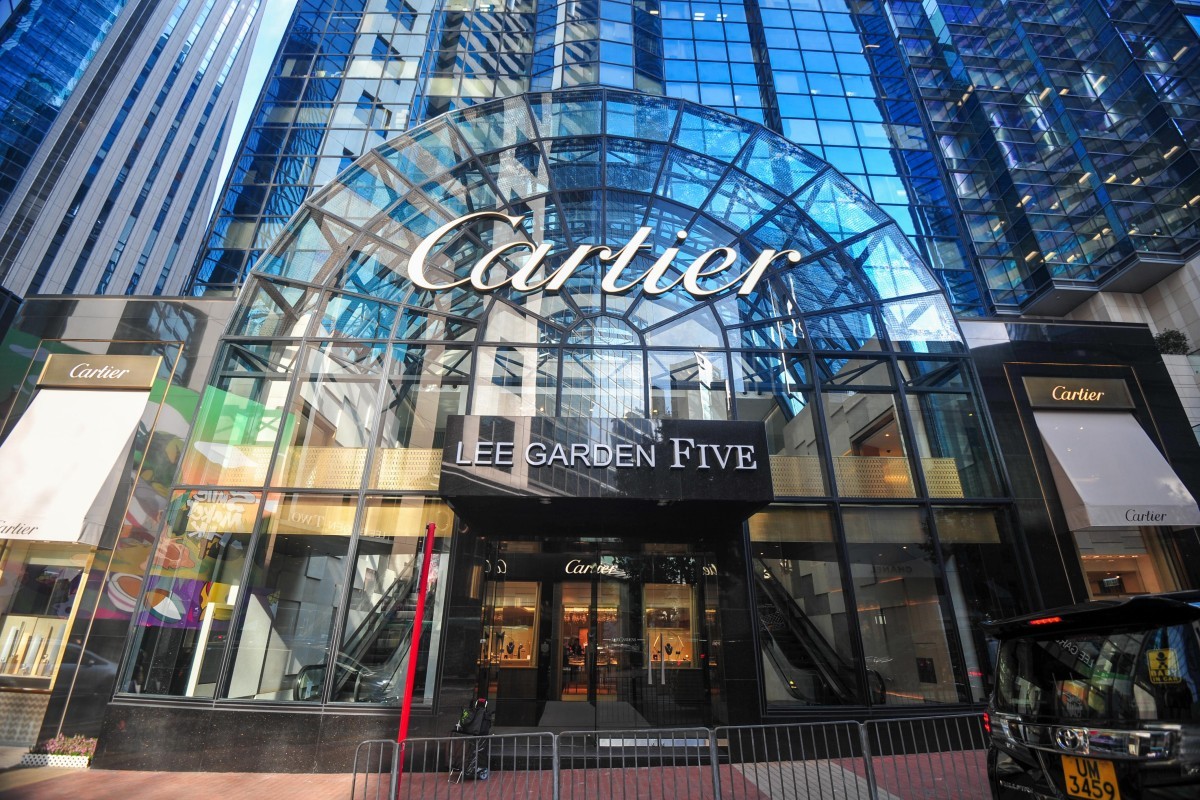
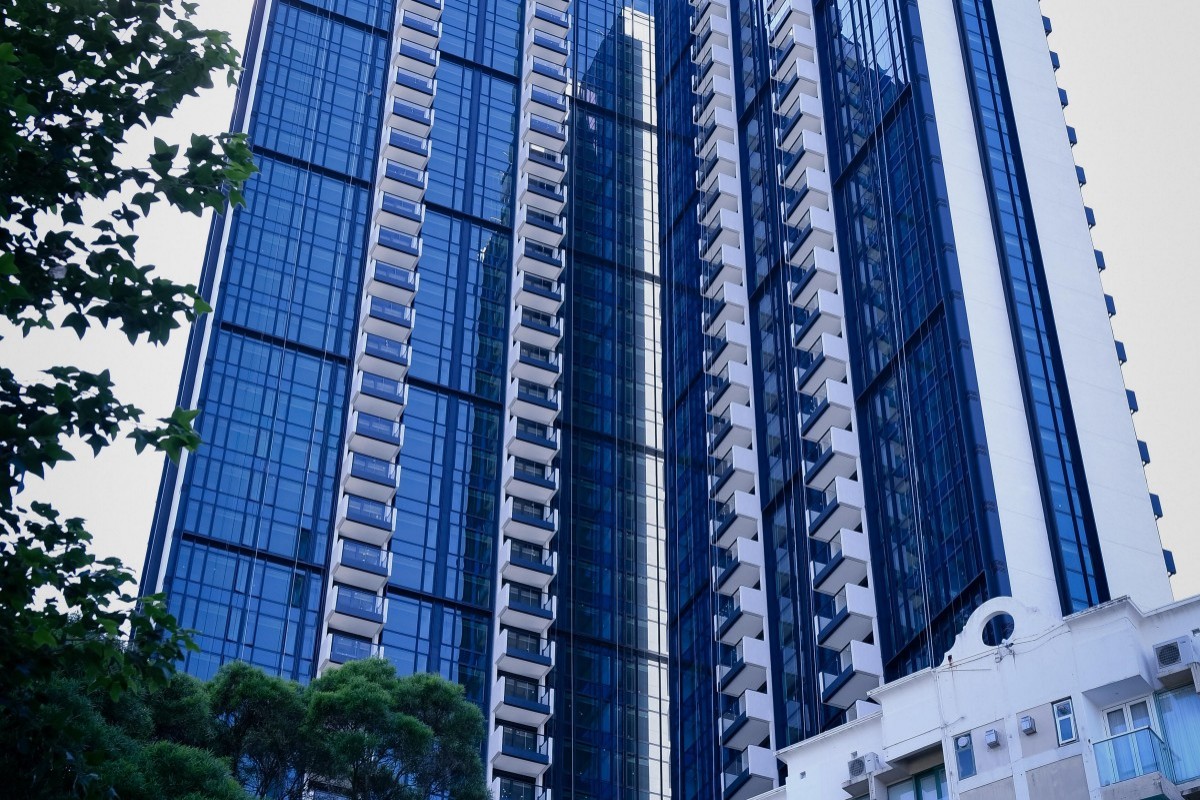
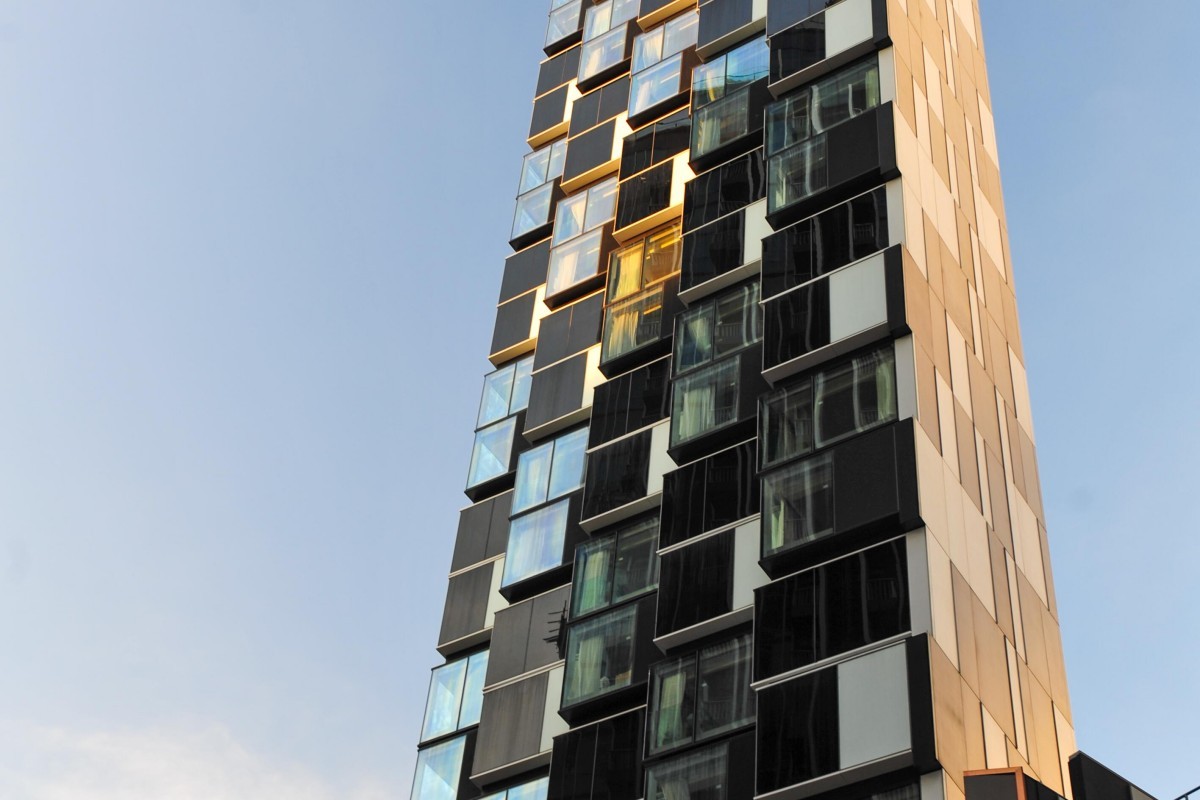
The tempering or heat treating process can introduce optical effects that influence design. Roller wave, bow, or warp may cause reflections to appear uneven, particularly on large façades. Anisotropy, visible as rainbow-like patterns under polarized light, results from stress distribution within the glass. While not defects, these phenomena affect visual uniformity.
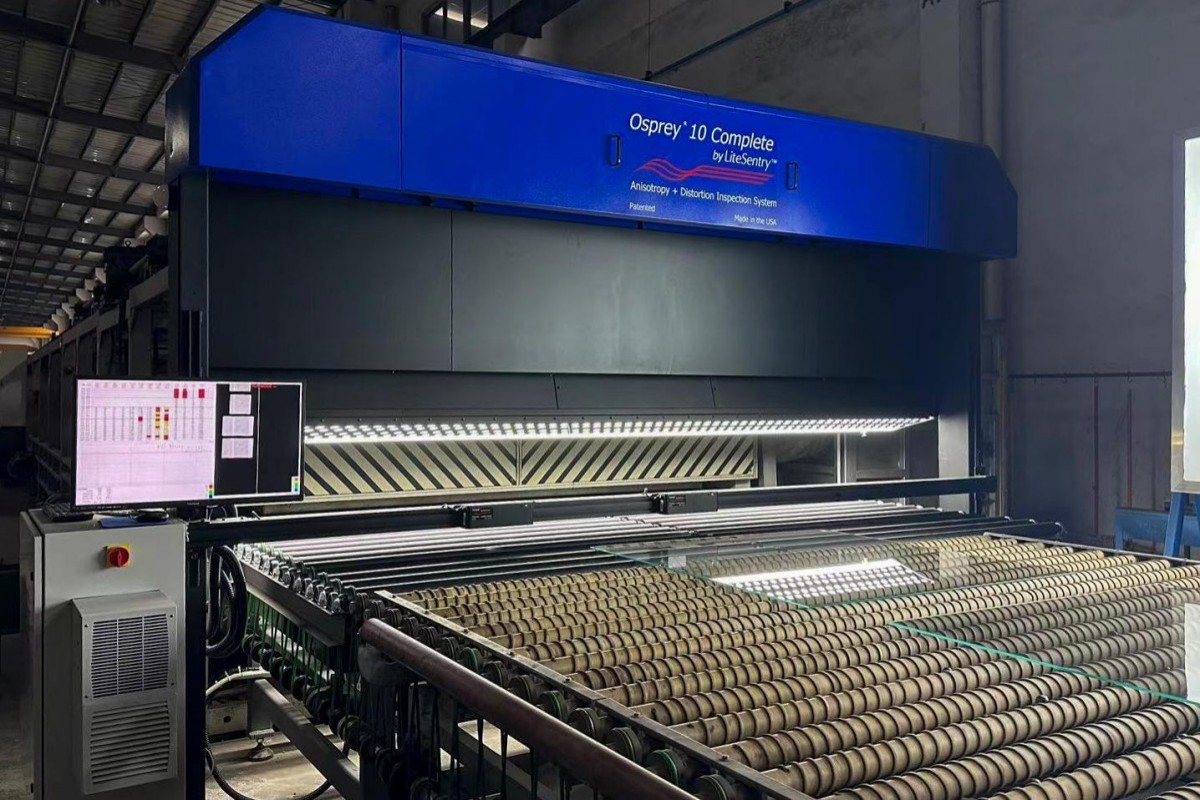
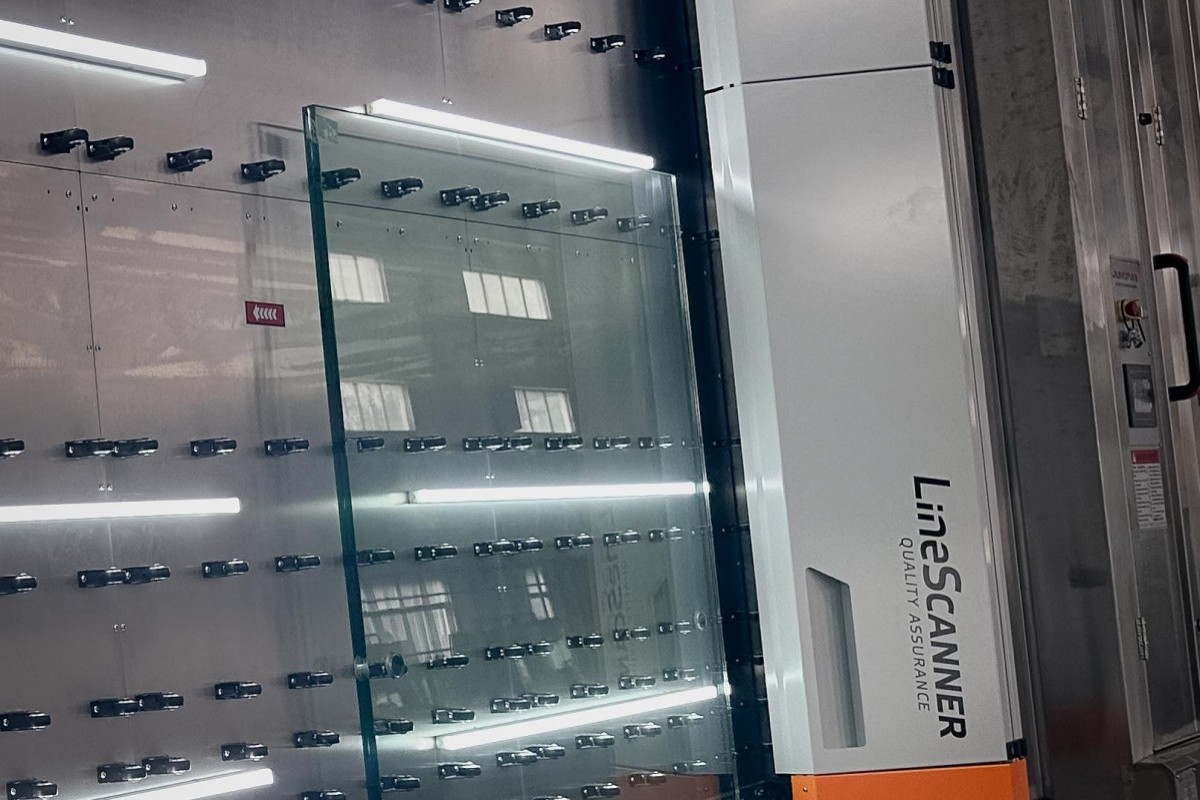
South Star mitigates distortion and anisotropy through advanced inspection systems, Osprey 10 Complete by LiteSentry®, and optimized cooling processes, ensuring heat treated glass meets both functional and aesthetic expectations.
Glaspedia tempered and heat strengthened glass exemplifies the balance between physics, safety, and design. Its strength and compliance with international standards make it indispensable, while careful management of optical effects ensures it remains a material of choice for modern architecture and technology.
Frequently Asked Questions
QWhat is the main strength difference between tempered and heat strengthened glass?
Tempered glass is rapidly cooled (quenched), giving it four to five times the strength of standard annealed glass. Heat strengthened glass undergoes a slower cooling cycle, making it approximately twice as strong as ordinary annealed glass.
QHow do the fracture characteristics differ between tempered and heat strengthened glass?
Tempered glass shatters into small, blunt granular fragments to significantly minimize injury risks. Heat strengthened glass fractures into larger pieces, which is beneficial in laminated applications where fragment retention is required.
QWhy does heat strengthened glass exhibit less optical distortion?
Because heat strengthened glass is cooled at a controlled, slower rate than tempered glass, it retains lower surface compressive stress levels, which translates to reduced optical distortion.
QWhat causes optical phenomena such as roller wave and anisotropy?
Roller wave, bow, or warp arise during the heating and cooling process, causing uneven facade reflections. Anisotropy appears as rainbow-like patterns under polarized light and is an inherent consequence of internal stress distribution rather than a product defect.
QHow does South Star ensure optical quality and minimize distortion?
South Star utilizes optimized cooling cycles alongside state-of-the-art inspection equipment, specifically the Osprey 10 Complete by LiteSentry®, to mitigate distortion and anisotropy.
QWhich international standards verify the safety and performance of Glaspedia glass?
Glaspedia glass satisfies ASTM C1048 (United States), EN 12150 and EN 1683 (Europe), AS/NZS 2208 (Australia & New Zealand), and IEC Standards for Building Integrated Photovoltaics (BIPV).