



Leave Your Message
Tempered Glass and Heat Strengthened Glass from China Suppliers - High-Quality Products at Our Factory
Hot Products

Tempered Glass and Heat Strengthened Glass from China Suppliers - High-Quality Products at Our Factory

Glaspedia Tempered Glass, also known as toughened glass, is a premium safety glass extensively utilized in architectural designs, automotive applications, and consumer products. Manufactured in our state-of-the-art China factory, this glass is processed using advanced techniques that significantly enhance its strength and safety properties while providing exceptional optical clarity. As one of the leading suppliers of tempered glass, we ensure that our products meet stringent quality standards, making them a top choice for various applications.

Glaspedia Heat Strengthened Glass is a semi-toughened glass ideal for architectural projects and specialized applications where moderate strength and predictable breakage characteristics are essential. Produced in our high-tech China factory, this glass strikes an excellent balance between durability and visual quality. As trusted suppliers, we recommend it for façades, laminated assemblies, and scenarios where standard tempered glass may not be the best fit.

Tempered Glass1.jpg
Tempered Glass2.jpg
Tempered Glass3.jpg
Tempered Glass4.jpg
Tempered Glass5.jpg
Tempered Glass6.jpg
Tempered Glass7.jpg
Tempered Glass8.jpg
Tempered Glass9.jpg
Tempered Glass10.jpg
Tempered Glass11.jpg

Physics and Technology

Tempered Glass

Tempered glass is produced by heating annealed float glass to around 620–650°C and then rapidly cooling it with high-pressure air. This cooling process is also known quenching. This process creates compressive stress on the surface and tensile stress in the core, making the glass four to five times stronger than ordinary annealed glass. When fractured, it breaks into small, blunt fragments rather than sharp shards, reducing injury risk.

Heat Strengthened Glass

Heat strengthened glass is produced by heating annealed float glass to approximately 620–650°C, similar to the tempering process, but then cooled at a slower rate. This controlled cooling creates surface compressive stress that is lower than tempered glass but higher than annealed glass. As a result, heat strengthened glass is about twice as strong as ordinary annealed glass. It has less optical distortion due to lower stress level. When fractured, it breaks into larger fragments compared to tempered glass, which is advantageous in laminated applications where retention of fragments is desired.

International Standards

To ensure safety and reliability, Glaspedia tempered and heat strengthened glass comply with most global standards.

ASTM C1048 (United States)
Defines mechanical strength and fragmentation requirements for tempered and heat strengthened glass.
EN 12150 (Europe)
Specifies performance criteria for thermally toughened soda-lime silicate safety glass.
EN 1683 (Europe)
Specifies performance criteria for heat strengthened glass.
AS/NZS 2208 (Australia & New Zealand)
Governs tempered and heat strengthened glass under safety glazing materials.
IEC Standards (International)
Govern tempered glass use in Building Integrated Photovoltaics (BIPV) applications.

Aesthetics

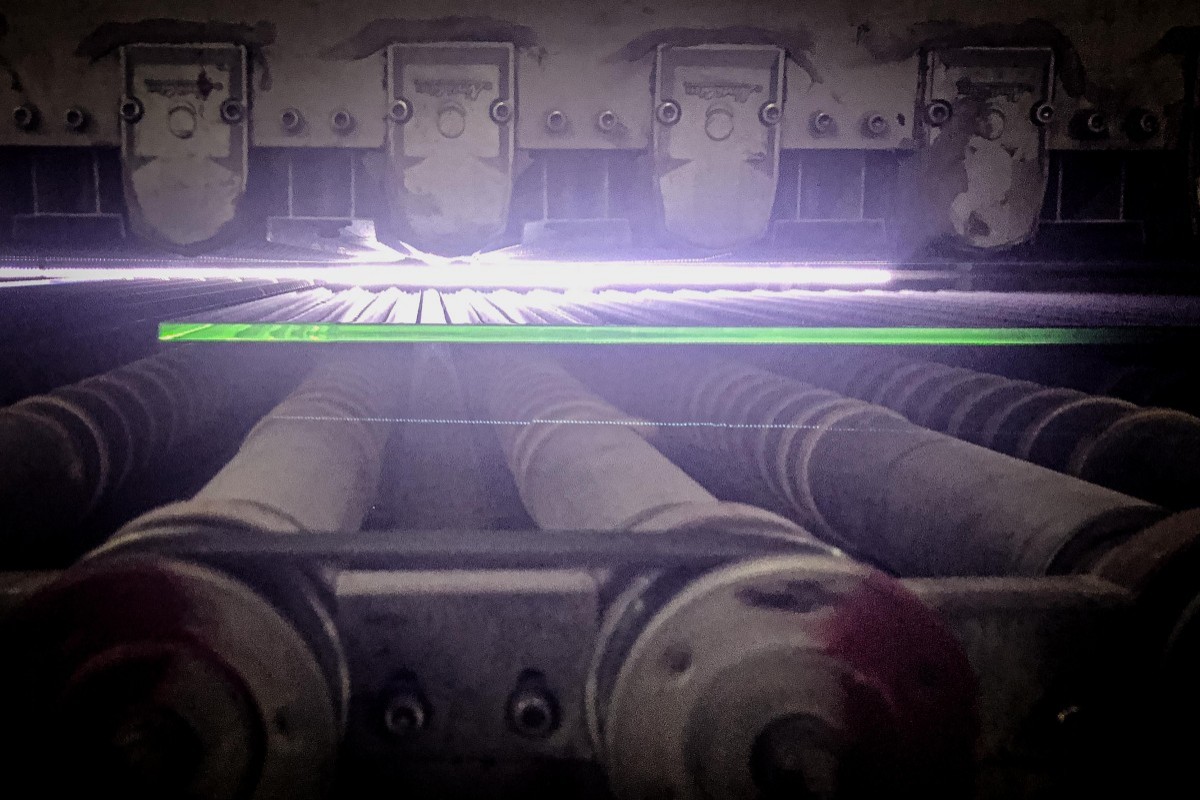
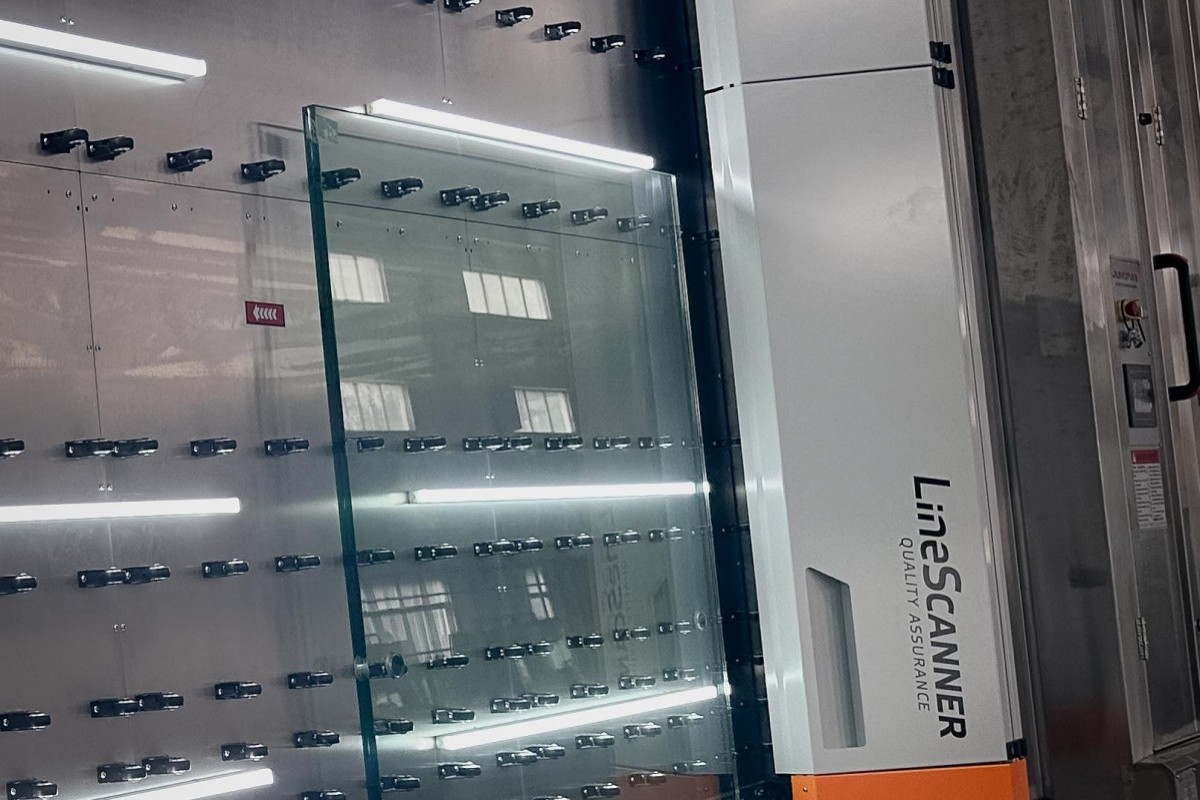
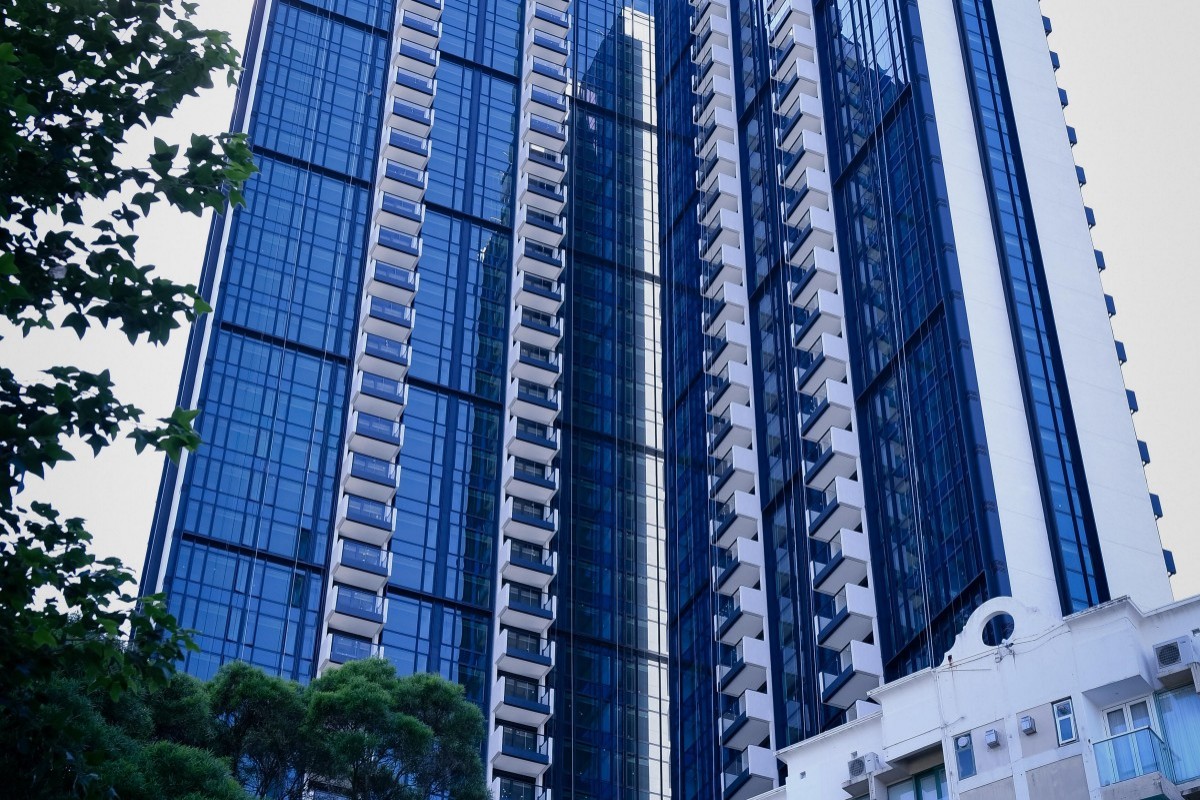
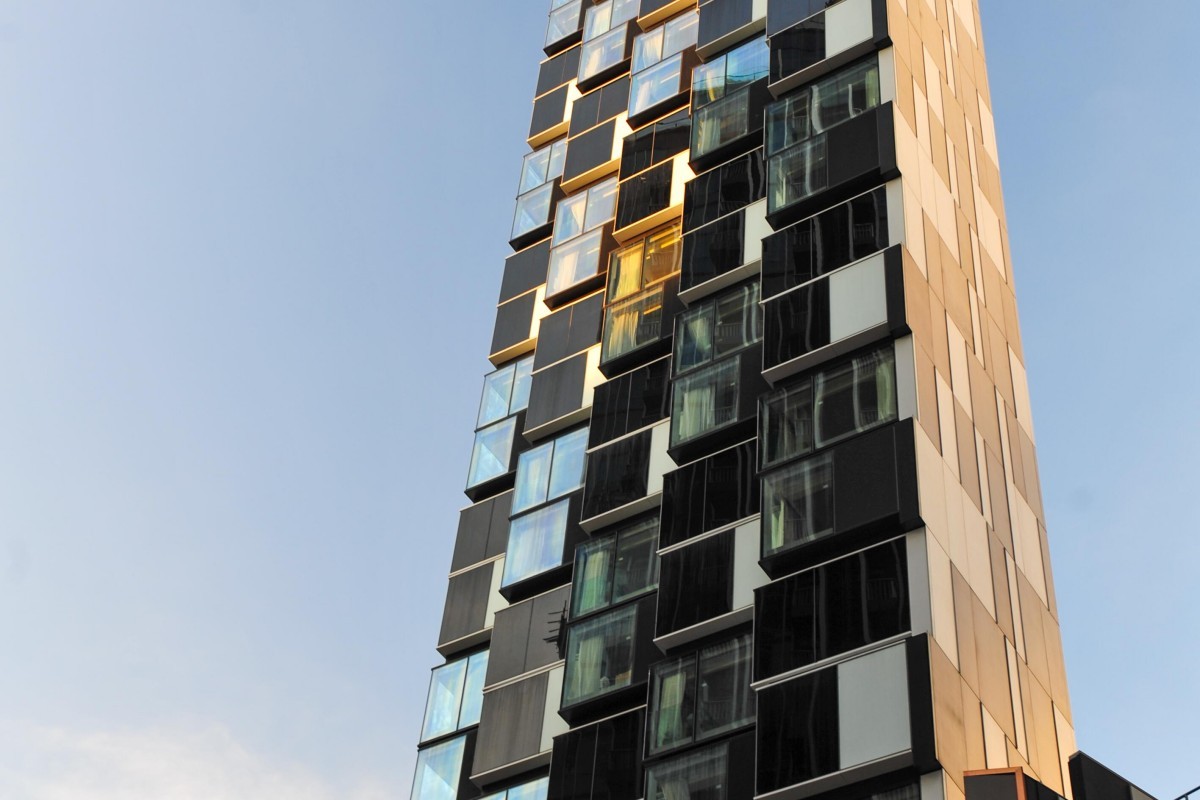
The tempering or heat treating process can introduce optical effects that influence design. Roller wave, bow, or warp may cause reflections to appear uneven, particularly on large façades. Anisotropy, visible as rainbow-like patterns under polarized light, results from stress distribution within the glass. While not defects, these phenomena affect visual uniformity.

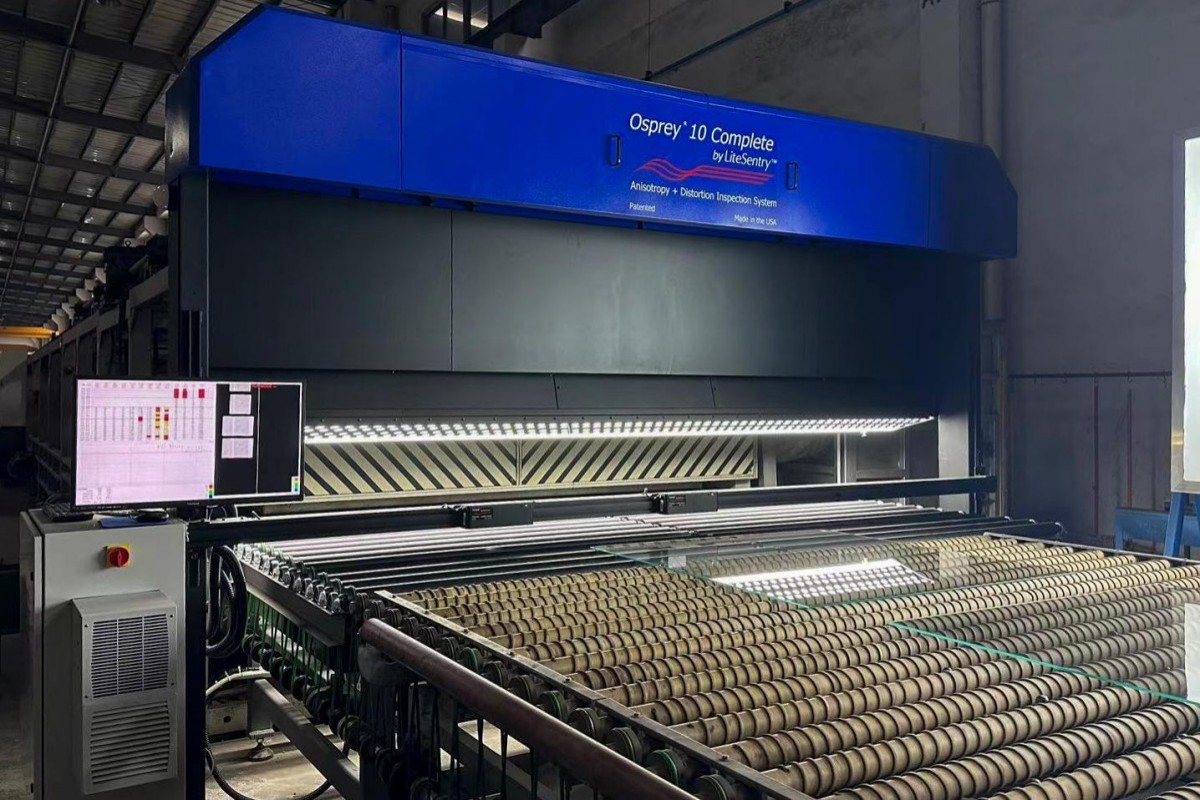
South Star mitigates distortion and anisotropy through advanced inspection systems, Osprey 10 Complete by LiteSentry®, and optimized cooling processes, ensuring heat treated glass meets both functional and aesthetic expectations.

Glaspedia tempered and heat strengthened glass exemplifies the balance between physics, safety, and design. Its strength and compliance with international standards make it indispensable, while careful management of optical effects ensures it remains a material of choice for modern architecture and technology.

Frequently Asked Questions

Q What is the core difference between tempered and heat strengthened glass?
Tempered glass is rapidly quenched with high-pressure air, making it 4 to 5 times stronger than standard annealed glass and causing it to break into small, blunt pieces. Heat strengthened glass undergoes a slower cooling process, resulting in about 2 times the strength of annealed glass, lower optical distortion, and larger breakage fragments.
Q Why is heat strengthened glass often preferred in laminated glass configurations?
When fractured, heat strengthened glass breaks into larger interlocking fragments rather than tiny dice. In laminated applications, this allows the glass pane to stay intact within the frame and retain structural integrity after breakage.
Q What global safety standards do Glaspedia glass products comply with?
Glaspedia products meet major international benchmarks including ASTM C1048 (USA), EN 12150 & EN 1683 (Europe), AS/NZS 2208 (Australia & New Zealand), and IEC Standards for Building Integrated Photovoltaics (BIPV).
Q What causes roller wave, bow, and anisotropy in heat-treated glass?
These optical effects are natural results of the thermal process. Roller wave, bow, and warp are caused by physical contact and heating over furnace rollers, while anisotropy (rainbow patterns) occurs due to internal stress distribution visible under polarized light.
Q How are optical distortion and anisotropy controlled during manufacturing?
South Star minimizes distortion and anisotropy by employing advanced online inspection technologies, specifically the Osprey 10 Complete system by LiteSentry®, alongside finely calibrated and optimized cooling cycles.
Q At what temperature is glass heated during the heat treatment process?
Both tempered and heat strengthened glass are produced by heating standard annealed float glass in a furnace to approximately 620–650°C before initiating their specific cooling protocols.