


Leave Your Message

Blog

Top Tinted Glass Manufacturers for Global Buyers?

Top Tinted Glass Manufacturers for Global Buyers?

Honestly, tinted glass is way more than just a pretty face for your building. It's what controls how much sunlight sneaks in, how much heat builds up, whether people can see inside, and even how the whole place comes across from the sidewalk. For buyers dealing internationally, the big struggle? Finding suppliers who can nail the same shade and performance every single time – from that tiny sample piece all the way to the massive shipment. So there's this report from UNEP and GlobalABC—the 2023 Global Status Report for Buildings and Construction—and it shows that buildings and construction were responsible for 34% of global energy demand and 37% of energy-related CO₂ emissions back in 2022. Now, these numbers don't specifically tell us about tinted glass demand, but they do explain why people are paying more attention to glazing when they think about a building's overall energy performance. And here's the thing: even small differences in specs can have a big impact. For instance, that gray pane might look great in the showroom under bright lights, but on a west-facing wall at noon, it's a whole different story. So, this guide takes a look at some of the big global manufacturers—AGC, Saint-Gobain, Guardian Glass, NSG Group, and Vitro—and compares them on things like product range, technical documentation, production capacity, and how well they support project-specific requirements. But take a closer look. Just because a brand name sounds familiar doesn't mean it's automatically the right fit; buyers should still check current datasheets, sample approvals, and the actual project conditions. Honestly, I wasn't handed a verified quote from a specific Tinted Glass expert—so I'm not going to just make one up. That missing piece is something we should be upfront about. And when it comes down to picking a manufacturer, you've gotta do your homework and compare options properly; there's no real shortcut here.
Read more »
Emily By:Emily - November 10, 2026
What Is Laminated Glass and What Is It Used For?

What Is Laminated Glass and What Is It Used For?

So here’s the deal with Laminated Glass: it’s basically two or more glass sheets sandwiched around a tough interlayer, usually made of polyvinyl butyral (PVB). Heat and pressure do their thing, and you end up with a single solid panel. Now, if it gets hit hard, the glass can crack—but the fragments mostly stay stuck to that interlayer. That’s a big deal, honestly. Still, don’t go thinking it’s indestructible, because it’s not. You know, how well it performs on impact really comes down to a few things—the thickness of the glass, what kind of interlayer you're using, the quality of the edges, and, of course, the installation itself. You’ve probably seen laminated glass without even thinking about it—windshields, storefronts, skylights, those glass railings on balconies. At home, it’s the stuff that keeps shattered window bits from flying everywhere, and in a busy office it can help muffle street noise a bit. But here’s the thing: how it actually performs depends on the situation. That solid, heavy sample you touch in a showroom? It won’t tell you how the real panel will hold up once it’s installed in its frame. So specs matter—a lot. So, if you're trying to get a handle on laminated glass, this guide walks you through the basics—how it's made, where people actually use it, and what to look out for when comparing your options. It also digs into the trade-offs, because sure, you get added safety and better sound control, but you might be dealing with more weight, higher costs, or trickier installation. And those downsides? They deserve real attention, not just a footnote.
Read more »
Emily By:Emily - November 5, 2026
How to Choose the Right Glass Roof for Your Project?

How to Choose the Right Glass Roof for Your Project?

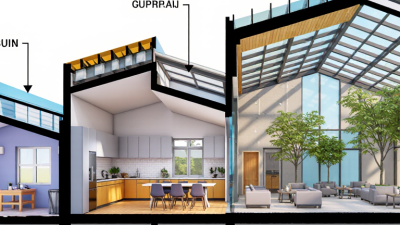
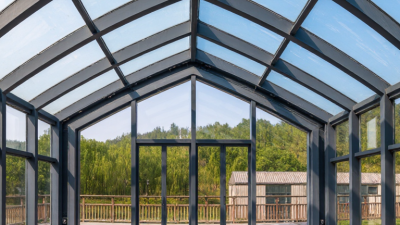
Picking a Glass Roof isn’t just about looks. It changes how much daylight you get, how comfortable your space feels, how the structure has to be designed, and even your energy bills. According to the International Energy Agency, buildings were responsible for roughly 30% of global final energy use and 26% of energy-related emissions back in 2022. So yeah, it’s a bigger deal than it might seem at first. Given those numbers, it’s probably worth checking the roof’s performance early on—definitely not waiting until the drawings are already done. Start with the room right under the roof—because what works for one space won’t necessarily work for another. A north-facing studio, a bright kitchen, and a big commercial atrium? They all have pretty different needs. The U.S. Department of Energy points out that skylights can bring daylight inside, but their size and placement really affect heat gain and loss. That’s a big deal. So don’t just focus on how they look. Compare glazing options, solar control, insulation, drainage, ventilation—and sure, appearance too. And ask yourself how the roof is going to behave on a hot afternoon, in a heavy rainstorm, or after years of cleaning and maintenance. You know, that all-glass look? It can seem perfect in a 3D render. But once it's actually installed, you might end up with annoying glare right on your desk, or the seating area gets way too warm. It's the little things like this that really make or break a space. Of course, reliable selection isn’t just about picking a product off a shelf—it really comes down to project-specific evidence. Sit down with your designers and suppliers and walk through the local climate, orientation, roof span, and the exact frame and glazing specs you’re proposing. Don’t just take broad claims at face value; ask for documented performance numbers like U-factor and solar heat gain coefficient. And make sure you understand how all the joints, flashings, and drainage are supposed to work as a system. Some early assumptions might turn out to be wrong—that’s exactly why you test them, not something to sweep under the rug. Honestly, when it comes to picking a glass roof, there’s no one-size-fits-all answer. The right choice really depends on your specific building—you’ve got to balance natural light, comfort, durability, and budget. It’s all about finding what works for you.
Read more »
Ethan By:Ethan - November 2, 2026
7 Tips for Choosing the Right Glass Roof?

7 Tips for Choosing the Right Glass Roof?

Picking the right glass roof isn't just about making a room look bright and pretty. Honestly, it's a bigger deal than that—you've got to think about the structure, the weather where you live, how comfy you'll feel, how much upkeep it'll need, and what it'll cost you in the long run. You know how a roof can look all sleek and nice in a showroom, but then under the summer sun, it's like sitting in an oven? Yeah, that's a real thing. The little details are what make or break it. Things like the type of glass, what the frame is made of, how steep the roof is, how water drains off it, and whether there's enough ventilation—these can totally change the whole experience. James Carpenter, an architect who really knows his way around daylight, once called light “the material of architecture.” That idea hits the nail on the head here. A glass roof shouldn't just throw more sunlight at you—it should actually shape it carefully, like a sculptor. Sure, Low-E glass, solar-control coatings, and laminated safety glass can make things more comfy and secure. But here's the thing: no single setup works perfectly for every home or office building. Where your building faces makes a big difference. And honestly, local weather matters way more than most folks realize when they're picking a roof. So yeah, it's not one-size-fits-all. Alright, so this guide is all about the seven key things to keep in mind when picking out a glass roof – and trust me, you'll feel way more confident after reading it. We're talking about thermal performance, how the structure holds up, managing water, cleaning access, your privacy, the quality of installation, and what the warranty actually covers. One thing I can't stress enough: get a qualified structural engineer to double-check that the roof can actually take the load it's supposed to. And have an experienced glazing contractor look at the joints and drainage paths before they start putting it together. Honestly, pretty drawings don't mean much if the workmanship isn't there – that's where the real performance comes from. There's definitely room to think things through, you know? Like, sure, a bigger skylight lets in more light, but it can also mean more glare and crank up your cooling bills. And that cheapest quote you got? It might end up costing more once you factor in repairs. Even the pros don't always get it right—they might miss how your building actually works day to day. So here's a tip: always check samples in natural light, ask those tough questions, and double-check everything. In the long run, a smart pick tends to feel quieter, cooler, safer, and just more solid overall.
Read more »
Charlotte By:Charlotte - October 28, 2026
Top Glazing Spacer Types for Global Buyers

Top Glazing Spacer Types for Global Buyers

Global buyers are starting to rethink what really matters at the edge of insulated glass units. That little Glazing Spacer? It's no minor detail anymore — it plays a role in thermal performance, condensation control, durability, and even embodied carbon. And here's something to keep in mind: the U.S. Department of Energy says windows can be responsible for about 25% to 30% of the energy used for heating and cooling in homes. That figure? It turns the spacer into way more than just a narrow metal strip. So, according to market studies from Grand View Research and Mordor Intelligence, insulated glass and energy-efficient fenestration should keep growing throughout this decade. But honestly? Market forecasts aren't a substitute for what actually happens on a project. Things like climate, frame material, fabrication equipment, how far the glass has to travel, and installation quality can all shift the outcome. A stainless-steel spacer might be the right call for a tough commercial façade. On the other hand, a hybrid or thermoplastic spacer could do more to support a warm-edge strategy. When it comes down to it, sometimes the “best” option is just the one your fabricator can actually seal consistently. Dr. Stephen Selkowitz, who used to work on building envelopes at Lawrence Berkeley National Laboratory, once put it pretty simply: “Windows are the most dynamic part of the building envelope.” That observation still rings true when you’re picking spacers. The edge is what really shapes how a window behaves in the real world—especially next to cold frames and in humid interiors. NFRC ratings, ASTM testing, and supplier quality records can help buyers compare all those claims more reliably. Still, no report out there captures every installation mistake. And honestly? That's the uncomfortable bit. If you're on a global procurement team, you really need to look at U-value data, gas retention, seal compatibility, recyclability, and field performance—all together, not in isolation. So this guide takes a look at the leading Glazing Spacer types and breaks down the practical trade-offs you'll run into on international projects.
Read more »
Emily By:Emily - October 25, 2026
What Is Fritted Glass and How Is It Used?

What Is Fritted Glass and How Is It Used?

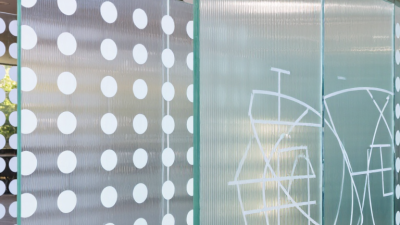
What Is Fritted Glass and How Is It Used? This guide introduces a glass material combining visual texture, solar control, and architectural performance. Fritted Glass contains ceramic particles fused permanently onto its surface during controlled heating. The result can resemble dots, lines, grids, or softly printed patterns. It is not ordinary decorative paint. The frit becomes part of the glass surface. James Carpenter, founder of James Carpenter Design Associates, has said, “Glass is not a material that you look at; it is a material that you look through.” His observation helps explain Fritted Glass in practical terms. Patterned surfaces can soften daylight while preserving selected views. They can also reduce glare and make transparent façades easier to read. A conference room may receive filtered sunlight instead of harsh reflections. A stair enclosure may gain privacy without becoming visually heavy. Designers use Fritted Glass in façades, doors, partitions, skylights, and balustrades. Pattern density matters. Dense coverage can improve privacy, but it may reduce daylight and exterior connection. Ceramic colors also change with viewing distance and weather. Samples should be tested beside the intended frame, lighting, and surrounding materials. Small details matter. The process still has limitations. Thermal movement, cleaning methods, edge conditions, and safety requirements need professional review. Fritted Glass is not a universal solution. That assumption deserves correction. A successful specification balances appearance, performance, fabrication capability, and long-term maintenance. This article explores those decisions through practical examples, technical considerations, and honest design trade-offs.
Read more »
Ethan By:Ethan - October 20, 2026
Top Spandrel Glass Suppliers for Global Buyers?

Top Spandrel Glass Suppliers for Global Buyers?

Picking a reliable Spandrel Glass supplier isn’t just about who has the lowest catalog price. If you’re buying globally, you’ve got to dig into coating quality, color consistency, heat treatment, and whether the performance is actually documented. Those things really matter for curtain walls, insulated panels, and opaque façade areas that face whatever the weather throws at them. Some of the big names you’ll run into are Guardian Glass, Vitro Architectural Glass, AGC Glass North America, and Saint-Gobain Glass. They may offer different substrates, ceramic frits, coatings, and fabrication options. But a recognizable product name doesn’t tell you much on its own. Before you approve a spec, ask for technical datasheets, sample panels, test reports, and installation guidance. And look closely at visual uniformity. A sample can look perfectly even indoors, then behave differently under cloudy daylight. Spandrel glass can also show roller marks, edge shadows, or color shifts after insulation. Good suppliers will explain those risks rather than pretending everything will be flawless. They should be clear about glass thickness, heat-soak testing, opacity, reflectance, and sealant compatibility. Straight answers usually mean they have stronger technical control. That said, no global ranking is truly objective. A supplier with great European logistics might not be the right fit for a Middle Eastern project that needs fast replacement stock. Local fabrication capacity, packaging quality, export experience, and after-sales support can matter just as much as brand reputation. And because details can change from one product series to another, always verify the current documentation. This guide is meant to introduce leading Spandrel Glass suppliers for international buyers, with a focus on practical evidence rather than marketing fluff. In the end, the right choice should fit your climate, façade design, compliance needs, and project risk. Mistakes can still happen, of course. But careful comparison makes them a lot less likely.
Read more »
Ethan By:Ethan - October 12, 2026
Top Annealed Glass Manufacturers and Suppliers Worldwide

Top Annealed Glass Manufacturers and Suppliers Worldwide

Annealed Glass is still a pretty big deal in construction, automotive, furniture, and interiors around the world. It's made by cooling slowly after forming, which cuts down internal stress and makes it easier to cut. What it doesn't give you is tempered glass's impact resistance. And yeah, that difference actually matters. Grand View Research says the global flat glass market hit about USD 145.7 billion in 2023. They expect a CAGR of roughly 7.9% from 2024 to 2030. The report ties that growth to urban construction, energy-efficient buildings, and vehicle production. So demand for Annealed Glass should keep humming along—especially for standard windows, partitions, tabletops, and processed glass parts. That said, market numbers can vary a lot depending on who's doing the math. Before you trust any ranking, check the methodology, regional coverage, and how they define the product. Dr. James E. Shelby, who's written some of the most respected stuff on glass science, calls glass “a solid that has no long-range order.” It's a neat, simple way to see why production quality still matters so much. Big global suppliers include AGC, Saint-Gobain, NSG Group, Guardian Glass, Vitro Architectural Glass, Taiwan Glass, and CSG Holding. But they're not all the same—they differ in float production, thickness ranges, coating options, fabrication networks, and how reliably they deliver. When you're actually sourcing, a clean warehouse, protected edges, tight thickness control, and consistent certificates can matter just as much as a famous brand. A supplier might look great online and then drop the ball on a rush regional order. So you still have to verify carefully. That's the not-so-comfy truth.
Read more »
Emily By:Emily - October 9, 2026
How to Choose the Best Glass Coating in 2026?

How to Choose the Best Glass Coating in 2026?

Picking out the best Glass Coating in 2026 isn't just about crunching numbers or getting dazzled by shiny product pics. Honestly, something that looks flawless under showroom lights might totally fail when it faces the real world—think busy streets, salty seaside air, or a bustling commercial kitchen. Things like climate, type of glass, how you clean it, sunlight exposure, and how long you want it to last all come into play. The best choice really starts with understanding your building’s actual conditions. Dr. Andreas Hartwig, a coatings expert over at Fraunhofer Institute for Silicate Research, once said, “A coating needs to be judged based on where it’ll actually be used, not just in a lab.” That little nugget of wisdom is still super relevant today. When shopping around, ask manufacturers for data on abrasion resistance, chemical toughness, how it handles sunlight, and what the installation process involves. And if you can find independent testing results, even better! A clear, detailed datasheet often beats vague promises hands down. This guide walks you through different types like hydrophobic, oleophobic, low-emissivity, solar-control, and easy-clean coatings. We’ll also look at how well they’re applied, what kind of maintenance they need, warranty details, and how they’ll look over time. Some coatings hide fingerprints but might show water spots more easily. Others help control heat but could slightly alter the glass's color. Honestly, there’s no one-size-fits-all winner here—that’s the tough part. A hands-on approach helps a lot. Try applying a small sample panel and subject it to your usual cleaning products, dust, rain, and daily bumps. Then check it out in the morning and evening light. Measure how it performs, but don’t forget to look at how reflections, streaks, or edge defects appear. Picking the right coating in 2026 means balancing what you see in the lab with what you actually experience in real life. Sometimes, the best choice isn’t the newest or flashiest product—it's the one that just performs reliably, can be installed properly, and still makes sense long-term, even after the sales pitch is over.
Read more »
Emily By:Emily - October 4, 2026
How to Choose the Right Glass Atrium for Your Project

How to Choose the Right Glass Atrium for Your Project

Picking the right Glass Atrium isn’t just about how it looks—it actually starts with understanding what the building needs to do. For example, a bright, welcoming entrance calls for a different setup than a cozy winter garden. That’s why seasoned project teams take the time to really study the site—looking at the climate, roof loads, drainage paths, and how many people will be using the space daily. They even observe how sunlight moves across the floor at different times, like 9 a.m. or 3 p.m. — tiny details that can reveal potential glare, overheating issues, or furniture that might fade over time. Before choosing a system, it’s also important to set the desired height, span, ventilation plans, and how easy it’ll be to access for maintenance. A gorgeous roof can quickly turn into a headache if cleaning equipment can’t reach it. So, details matter—sometimes in ways folks overlook. Getting the right specifications means working closely with architects, structural engineers, façade consultants, and building services pros. Don’t forget to ask for tested glass data, thermal calculations, condensation checks, sound performance targets, and clear installation instructions. Low-emissivity coatings can make spaces more comfortable, while laminated or insulated glass units help with safety and reducing noise. The frame materials, gaskets, flashing details, and drainage outlets all deserve sharp attention, too. Because honestly, the weakest joint is usually what trips the whole thing up over time. It’s also smart to review warranties, but don’t just assume paperwork guarantees quality. Check out completed projects in person, especially after rain—inspect those joints, ask owners about how easy it is to clean or repair, and how the space holds up through different seasons. No option is perfect, and sometimes budget pressures push for thinner profiles or fewer controls, but those so-called savings can end up costing you more in energy bills or future fixes. The secret is finding a balance—something that looks good, is backed by solid engineering, keeps users comfortable, allows decent service access, and won’t break the bank on maintenance. And don’t forget—getting a professional review really helps. This guide is meant to give you practical questions to ask when comparing different designs, so you don’t have to rely on assumptions alone.
Read more »
Emily By:Emily - October 1, 2026
Who Are the China Top 10 Thermal Break Manufacturers?

Who Are the China Top 10 Thermal Break Manufacturers?

Choosing a Thermal Break manufacturer isn't just about comparing prices or looking at shiny product photos. When it comes to windows, doors, and facades, those tiny details can really make a difference in the final result. Things like strip dimensions, how well the profiles fit together, surface finishes, and whether the production batches are consistent all matter. A sample might look perfect sitting on your desk, but you still need to double-check it against your project’s drawings and technical specs—details count, after all. To help you get started, this guide introduces ten manufacturers based in China. It’s a straightforward way to get a sense of what each company offers, their claimed production capabilities, and the technical info you can review. Of course, it's smart to reach out directly to these manufacturers to verify specs, quality paperwork, testing results, and their export experience. While websites can tell you a lot, they’re no substitute for actually seeing samples or getting clear, written answers. Sure, having a ranked list makes navigating a crowded market easier, but it doesn’t mean that one of these companies will be perfect for your specific project. Every project is different—climate considerations, building design, processing methods, and timelines all play a role. Some manufacturers might be more suitable for large-volume orders, while others could be ideal if you’re after custom profiles or specific features. Honestly, there’s no one-size-fits-all list here. Think of this as a shortlist of candidates to evaluate—do your homework, double-check current details, and don’t just assume anything at face value before making your decision.
Read more »
Charlotte By:Charlotte - September 27, 2026
Top 10 Double Glazing Manufacturers for Global Buyers

Top 10 Double Glazing Manufacturers for Global Buyers

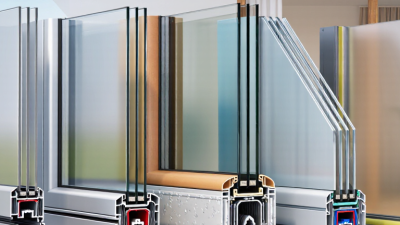
You might have heard that double glazing is shifting from being just a fancy upgrade to more of a must-have for energy efficiency. According to the International Energy Agency, in 2022, buildings used up around 30% of the world’s final energy, and they were responsible for roughly 26% of energy-related emissions. Windows, surprisingly, still tend to be a weak spot in many building shells—bad glazing can mean more heat escaping, condensation issues, and uncomfortable indoor spaces. In this guide, we’ll take a look at ten major double glazing manufacturers that serve clients worldwide. We look at things like the range of products they offer, how well their windows perform thermally, glass configurations, certifications, production capacity, export experience, and how good their after-sales support is. Just because a company is big doesn’t automatically mean their products are better—sometimes a smaller, specialized firm can provide better customization or more responsive technical help—especially if you’re dealing with tricky climates or complex installations. Performance is a big deal here, so it pays to do your homework. You want to check U-values, solar heat gain, sound insulation ratings, spacer designs, and how durable the seals are—these should all match what your project requires. Standards like ISO 10077, EN 1279, and NFRC testing procedures are useful benchmarks. Also, the U.S. Department of Energy points out that window performance depends a lot on both the product itself and how it’s installed, so don’t forget that! Market estimates can be all over the place, too. Some reports focus only on the insulating glass units, while others consider entire window systems, including frames. That difference can really influence how you compare options, so it’s worth keeping in mind—no list of manufacturers can cover everything perfectly. When choosing a manufacturer, you might see some well-known names like Saint-Gobain, AGC, NSG Group, Guardian Glass, Vitro, and Internorm. Their strengths and capabilities vary a lot depending on your region, climate, and procurement needs. Before sealing the deal, make sure to ask for up-to-date test reports, warranty info, sample specs, and confirmed delivery records. At the end of the day, good glazing isn’t just about clear glass—it’s about a whole system that boosts your building’s overall performance.
Read more »
Emily By:Emily - September 24, 2026
2026 Best Glass Canopy Suppliers for Global Buyers?

2026 Best Glass Canopy Suppliers for Global Buyers?

Choosing the right Glass Canopy supplier in 2026 isn’t just about flipping through some pretty project photos. You really need proof of quality, clear technical info, and a supplier you can count on for decent after-sales support. Sure, a canopy might look stunning in a showroom, but how will it hold up when the wind picks up, or the rain, snow, and temperature swings hit? Those little details — like drainage channels, stainless steel fixings, laminated safety glass, and precise measurements — can make all the difference over the long haul. This guide aims to give you a solid overview of the top glass canopy suppliers based on real-world stuff. We're talking about their design experience, manufacturing quality, certifications, structural calculations, and how they guide you through installation. We also look at how they handle international shipping, custom sizes, replacement parts, and communication across different time zones. A reliable supplier should be upfront about glass thickness, loading assumptions, frame materials, drainage setup, and maintenance — no vague marketing jargon here. It’s worth digging into independent testing results and seeing real project references to get a true feel for what you’re dealing with. Honestly, no supplier is perfect. Some might have great engineering but limited regional support. Others might get back to you super quickly with a quote but slack when it comes to the technical details. Those differences can really bite you after installation, so it’s best to be cautious. Always ask for samples, detailed shop drawings, warranty info, and a realistic delivery timeline before you sign anything. And don’t forget to double-check local building codes with qualified pros because regulations can vary a lot depending on where you are and the type of project. The main goal here is to help architects, contractors, developers, and property owners make smarter choices. We focus on what suppliers can actually do — verified skills and real capabilities — rather than just fancy marketing talk. Keep in mind, pricing, availability, and service quality might shift during 2026, so always do your homework and verify everything before moving forward.
Read more »
Emily By:Emily - September 19, 2026
Top 10 Blast Resistant Glass Manufacturers Worldwide

Top 10 Blast Resistant Glass Manufacturers Worldwide

Blast resistant glass, which you can check out [here](https://www.glaspedia.com/high-quality-china-blast-resistant-glass-supplier-companies), has really become a crucial part of safeguarding airports, embassies, financial hubs, and other high-risk public buildings. But let's clear something up—it's not just about having thick glass. What you're dealing with is a tested, engineered system that combines multiple layers—glass, interlayers, frames, sealants, anchors—and it all needs to be carefully installed to work properly. Norbert Gebbeken, a well-respected researcher in blast protection, often says, “Blast protection isn’t just about choosing the right material; it’s a system.” And that mindset really guides the companies featured here. Firms like Armortex, Insulgard Security Products, Vetrotech Saint-Gobain, Schollglas, and Isoclima each approach protection a little differently—using different technologies, testing methods, and tailored solutions depending on what the project requires. Their products are often evaluated against standards like ASTM F1642, GSA TS01-2003, or EN 13541—though which one they’re tested to can depend heavily on where the building is located and what kind of threat it's facing. Now, keep in mind—this ranking isn’t set in stone. A company that excels in ballistic glazing might not be the top choice when it comes to blast performance. Similarly, another manufacturer might offer better customization, quicker engineering support, or easier regional availability. These factors really matter in real-world situations because a window might have to handle pressure waves, flying debris, heat, and structural shifts—all at the same time. And let’s be honest—just because a product passes lab tests doesn’t automatically mean it’ll perform perfectly out in the field. Stuff like installation mistakes, weak frames, or poor anchoring can seriously cut down on how well it performs. So, this guide compares ten global manufacturers, taking into account their product capabilities, testing proof, technical know-how, certifications, and how well they fit specific project needs. However, some of these conclusions aren’t perfect—mainly because publicly available data can be pretty inconsistent or limited. That’s a point worth paying attention to. Before making a final decision, buyers should definitely ask for the latest test reports, system drawings, maintenance instructions, and independent engineering verifications. Better safe than sorry, right?
Read more »
Charlotte By:Charlotte - September 15, 2026
China Best Vacuum Glass Manufacturers Suppliers or Factory?

China Best Vacuum Glass Manufacturers Suppliers or Factory?

Picking the best vacuum glass manufacturer, supplier, or factory in China isn't just about scanning online prices—there’s a bit more to consider. Things like consistent product quality, vacuum stability, edge sealing, and whether they have proper testing documented really matter. Did you know the U.S. Department of Energy says windows can account for somewhere between 25% and 30% of a home's heating and cooling energy use? So, it's not just about aesthetics; the performance of your glazing actually has some serious practical implications. When you're digging into market info, don’t just take it at face value. The International Energy Agency’s Buildings report points out that buildings use about 30% of the world’s final energy, and the 2023 Global Status Report for Buildings and Construction emphasizes we really need to improve building envelopes in general. Vacuum glass can definitely help here—cutting down heat transfer, boosting interior comfort, and enabling sleeker, high-performance window designs. But—here’s the thing—the actual performance depends on things like spacer quality, how well the installation is done, the glass setup, and even the climate you’re in. Just reading a brochure from a factory doesn't cut it; you’ll want solid independent proof. A trustworthy Chinese supplier should give you access to factory audits, traceability of batches, thermal test results, and clear warranty details. Don’t forget, it’s smart to ask for reports that follow standards like ISO 19916:2017 or other national testing protocols. When comparing options, look at things like the U-value at the center of the glass, how much light passes through, acoustic performance, production capacity, and how responsive their after-sales support is. Sure, companies like LandGlass, Qingdao Hengda Glass Technology, and Shenzhen Sun Global Glass come up often in searches, but just because they’re listed doesn’t automatically mean they’re the right fit for you. Consider this a starting point, not the final word, because supplier info can change pretty fast. So, always do your homework before placing that order.
Read more »
Charlotte By:Charlotte - September 11, 2026